Mardi Himal Climb
Mardi Himal Climb
Peak Climbing In Nepal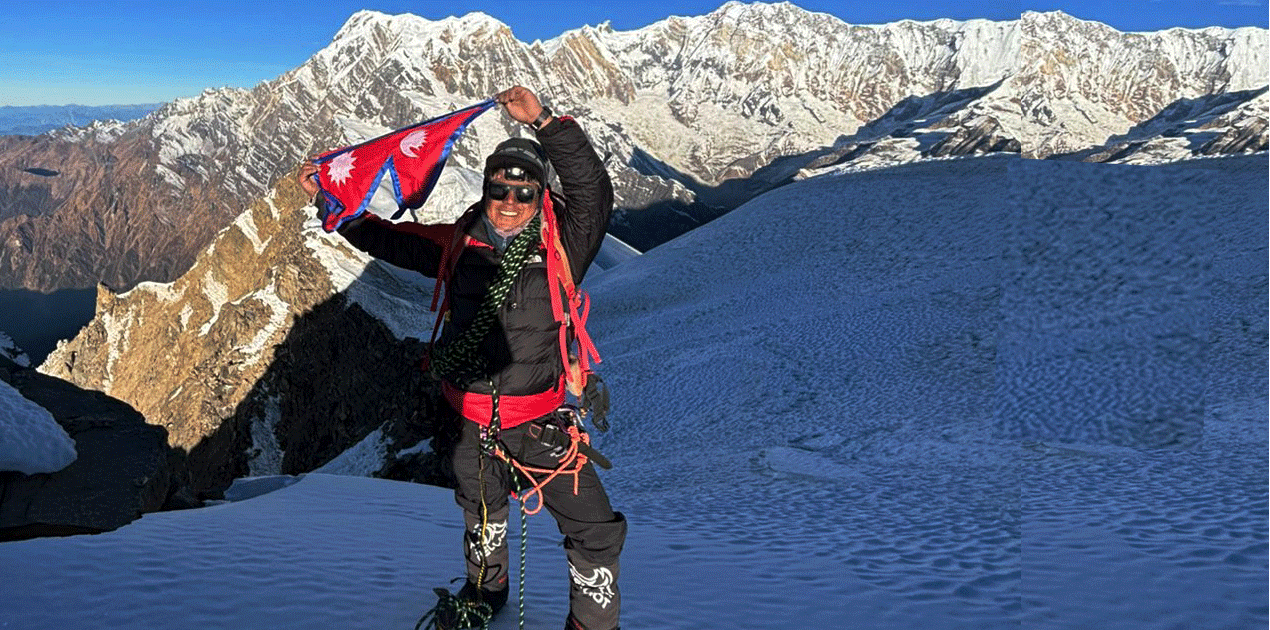
Trip Facts
Duration : 7 Days
Max-Altitude : 5,587
Program Type : climbing
Best Season : Mar-May, Se-Dec.
Per Day Walking : 6/7
Trek Grade :
Grade 3:
Since the terrain can be hard and the days long, hikers on these treks should be in good physical condition and have some previous mountain walking experience. Steep climbing may be involved, although it is never necessary to use ropes. Treks at this level can he arranged for periods of 16 to 21 days. Typically, a gradual ascent through a green river valley will lead you up to a number of high passes, where you will reach the altitude of 5416m. Often times, you will get a close insight into the Tibetan culture. Participants should expect to trek above 5416m/17872ft.
100%
807 Reviews
Overview
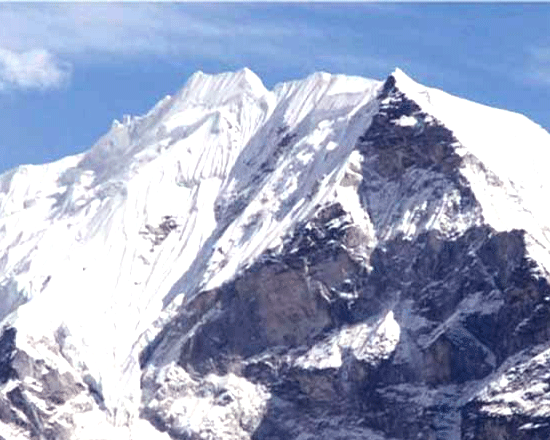
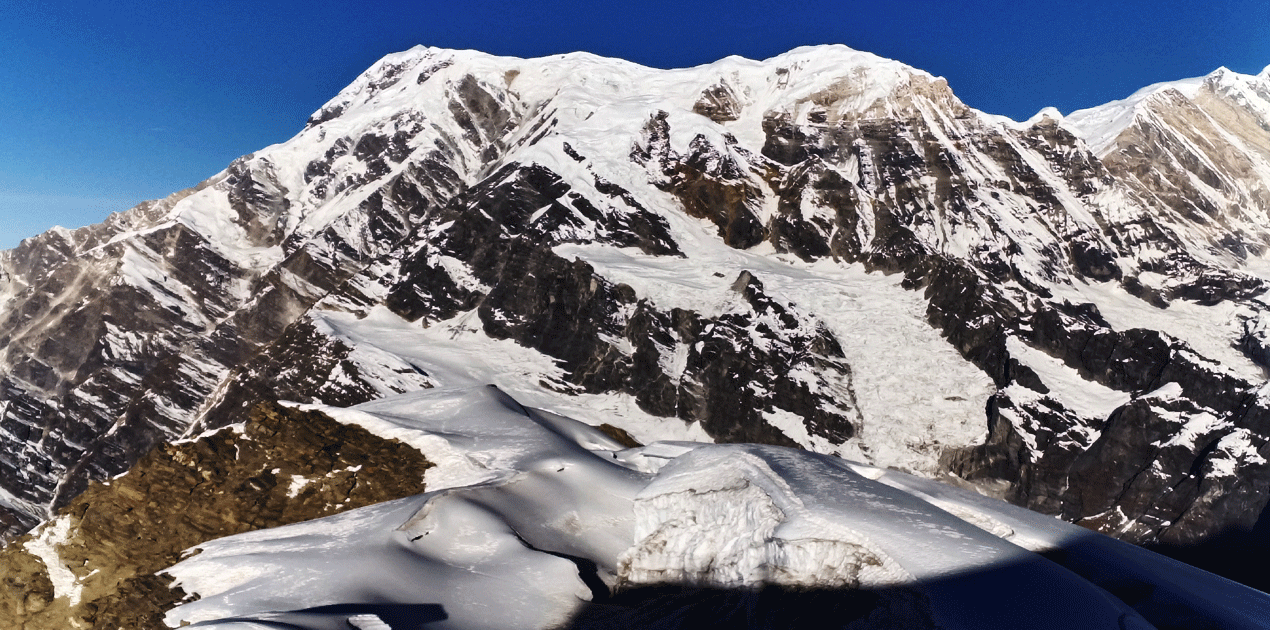
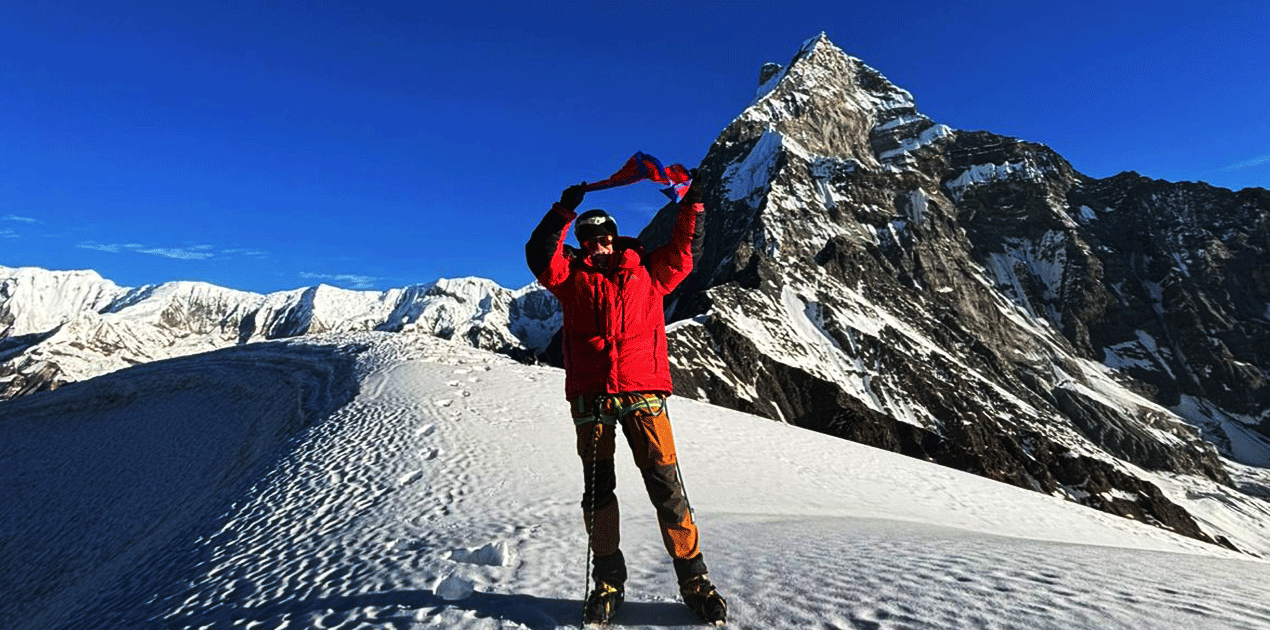
Mardi Himal Peak, standing at approximately 5,587 meters, in the Annapurna range is most breathtaking trekking and climbing destinations in the world. Among the lesser-known yet spectacular routes lies the Mardi Himal climb, a challenging and rewarding adventure that attracts trekkers and climbers seeking solitude, panoramic views, and a genuine connection with the Himalayas. Nestled in the Annapurna region, Mardi Himal Peak offers a unique opportunity to experience the high mountains without the crowds often found on popular routes like Annapurna Base Camp or Poon Hill.
“Mardi Himal” comes from local Tibetan and Gurung words, where “Mardi” refers to the ridge or mountain and “Himal” means snow-covered peak. The peak was first climbed by a Japanese expedition in 1961 (exac\t details are sometimes reported slightly differently, as the peak is less prominent than Annapurna or Machapuchare). Unlike Machapuchare, Mardi Himal is open to climbers, but still requires technical skills and a guide.
Mardi Himal Peak Beauty
The climb to Mardi Himal Peak combines moderate trekking with high-altitude climbing, making it ideal for experienced trekkers looking to venture into alpine terrain. The route is less commercialised, offering pristine landscapes, lush rhododendron forests, alpine meadows, and dramatic views of the iconic Machhapuchhre (Fishtail) Mountain.
The Mardi Himal climb is perfect for those who want to experience the beauty of the Annapurna region without facing overcrowded trails. With its mix of trekking, ridge walking, and high-altitude alpine climbing, it provides a comprehensive mountain adventure for dedicated climbers and trekkers alike.
The Khumai Danda Trek lies in the same Annapurna region as the Mardi Peak climbing routes. This serene trail passes through peaceful forests and alpine meadows, with sweeping mountain views, making it an excellent alternative or a natural extension to a Mardi Himal Trek adventure.
Why Choose Mardi Himal Climb?
- Stunning Mountain Views
The Mardi Himal climb offers some of the most spectacular Himalayan panoramas. From the high camps and summit, climbers are treated to unobstructed views of Annapurna South, Hiunchuli, Gangapurna, and Machhapuchhre. The ridge traverses and the alpine meadows provide incredible photo opportunities and serene moments in nature. - Less Crowded Trails
Compared to the Annapurna Base Camp or Poon Hill treks, the Mardi Himal Peak climbing route sees significantly fewer trekkers. This makes the journey peaceful and immersive, allowing climbers to enjoy nature without distractions and connect deeply with the environment. - Combination of Trekking and Climbing
The route to Mardi Himal Peak blends trekking with technical yet manageable climbing. Trekkers will traverse forested trails, alpine ridges, and moraine fields. The summit push involves moderate snow slopes that are challenging but achievable with proper equipment and guidance, offering a true Himalayan adventure.
Cultural Experience
The trek passes through traditional Gurung villages, providing a glimpse of rural Nepali life. Villages like Mirsa and Hamro Rumja Gaon are along the route, offering local hospitality and opportunities to learn about local customs, culture, and cuisine.
Best Time for Mardi Himal Climb
The Mardi Himal climb can be undertaken during two main trekking seasons:
- Autumn (September to November): Clear skies, stable weather, and moderate temperatures make this the most popular season. Mountain views are at their best, and the trail is generally free of heavy snow.
- Spring (March to May): Blooming rhododendrons and alpine flowers enhance the trek’s scenic beauty. Snow on higher slopes may require crampons and trekking poles for safety.
Winter months are possible but involve high avalanche risk and extreme cold. Monsoon (June to August) is generally avoided due to heavy rainfall, landslides, and slippery trails.
Difficulty Level and Safety
The Mardi Himal Peak climbing route is considered challenging to strenuous, suitable for trekkers with prior high-altitude experience. Key considerations include:
- Altitude: Maximum elevation is approximately 5,587 m, requiring proper acclimatisation. A rapid gain in elevation from 4,500 m to 5,587 m can cause mild altitude sickness if not acclimatised
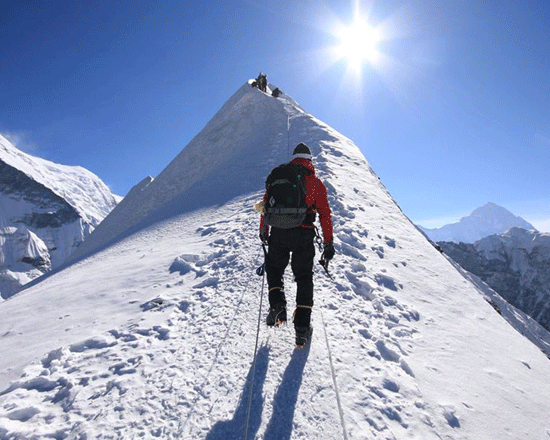
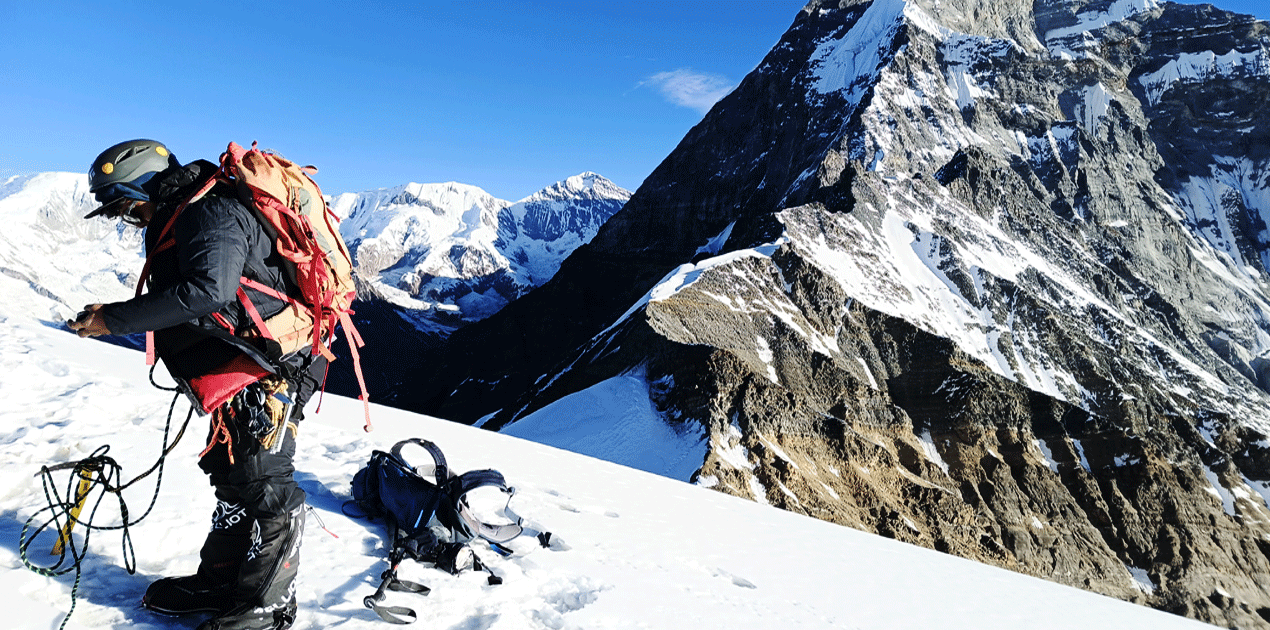
- Terrain: The route features forest trails, ridge walking, moraine fields, and snow slopes. Slopes can reach 30–35°, where crampons and ropes may be necessary.
- Dangers: Avalanche risk after heavy snowfall or during warming periods, rockfall from Machhapuchhre, and slippery debris sections. Safety precautions and guided trekking are strongly advised.
- Steep ridge climbs: Especially above High Camp, with loose rocks and scree.
- Weather: Cold winds, snow patches, and occasional slippery paths make the climb tricky.
- Navigation: Trails are not well-marked like Annapurna Base Camp, so a guide is recommended.
Equipment and Preparation
For a successful Mardi Himal climb, climbers should prepare with appropriate Trekking equipment gear:
- High-altitude clothing (thermal layers, down jacket, waterproof shell)
- Trekking boots with crampons for snowy sections
- Climbing harness, helmet, and ice axe (for summit push if needed)
- Sleeping bag rated for –20°C to –25°C
- Personal trekking poles
- Sufficient water, snacks, and high-energy food
- First aid and altitude sickness medication
- Sun protection (sunglasses, sunscreen, hat)
Hiring a licensed guide and porter is highly recommended, especially for first-time climbers. Guides provide safety, navigation, and local knowledge essential for a successful summit.
Accommodation on the Mardi Himal Climb
Accommodation along the route varies according to altitude:
- Lower sections: Small lodges with basic rooms and meals
- High camps (above 4,000 m): Alpine lodges like Panorama Hotel or tented camps
- Base Camp: Flat ground between moraines; camping with porter support
- Clean, locally-run lodges provide meals including Nepali, Indian, and continental dishes
Trekkers should be prepared for minimal facilities above 4,000 m and limited access to running water. Water must often be sourced from nearby snow or melted ice.
Alternative Routes
Recent infrastructure changes have affected the trek:
- New roads extend to Jimerbari, with connections to Mirsa and Hamro Rumja Gaon. These can provide alternative starting points.
- For trekkers ending in Tatopani, it is faster to cross the river bridge and take the opposite road, improving access to Pokhara.
- Water availability: Only Korchon Danda has reliable spring water. At Base Camp, snow or rainwater is required.
- Best climbing conditions: Early morning, when the snow is firm, provides ideal conditions for crampon-assisted climbing.
- Fixed ropes on certain slopes are only recommended in poor snow conditions.
Cultural and Natural Highlights
The Mardi Himal climb is not only about reaching the summit; the journey is rich with cultural and natural experiences:
-
Villages: Mirsa and Hamro Rumja Gaon show traditional Gurung culture, architecture, and hospitality.
-
Flora: You trek through dense rhododendron forests, alpine meadows, and wildflower valleys.
-
Fauna: You may see native Himalayan species such as langurs, Himalayan tahr, and various birds along the route.
-
Panoramas: The Annapurna Massif, Machhapuchhre, Hiunchuli, and Mardi Himal itself offer incredible photography opportunities.
The trail section from Khumai Danda for the Mardi Himal Climb:
Trail Path
-
Trail Type: Narrow dirt paths with some stone steps, winding along the ridge.
-
Terrain: Moderate ascent with gradual switchbacks; sections may be steep but manageable.
-
Forest & Flora: Rhododendron and oak trees dominate lower slopes; above Khumai Danda, trees thin out to shrubs and alpine meadows.
-
Views: Clear, unobstructed views of Himalayan peaks. Sunrise and sunset views are spectacular from this ridge.
Mardi Himal trail features
-
Difficulty: Moderate; good for trekkers with basic fitness.
-
Trail Condition: Well-marked but can be muddy after rain. Loose stones may appear on some sections.
-
Stops / Rest Points:
-
Small local villages or tea houses along the way.
-
Photo stops for Himalayan panoramas.
-
Khumai Dandha Mardi Himal Peak Climb Trail Conditions by Season
-
Autumn / Spring: Mostly dry, firm trails; some slippery sections after rain or snow.
-
Winter: Icy patches, snow accumulation, colder temperatures.
-
Monsoon: Muddy, slippery, and higher risk of landslides; not recommended.
Altitude Sickness on Mardi Himal Climb
Symptoms to watch for:
Common early signs include:
-
Headache
-
Nausea or loss of appetite
-
Dizziness or lightheadedness
-
Shortness of breath during light activity
-
Trouble sleeping
Severe symptoms (rare but serious) include:
-
Extreme fatigue or confusion
-
Persistent vomiting
-
Difficulty walking or balancing
-
Fluid in the lungs (High Altitude Pulmonary Edema, HAPE)
-
Swelling of the brain (High Altitude Cerebral Edema, HACE)
How to prevent altitude sickness?
-
Acclimatize properly: Include extra days before going higher.
-
Ascend gradually: Avoid climbing more than 300–500 m per day above 3,000 m.
-
Stay hydrated: Drink plenty of water; dehydration worsens symptoms.
-
Eat light, high-carb meals: Helps maintain energy.
-
Avoid alcohol and smoking: Both interfere with oxygen absorption.
-
Listen to your body: If you feel unwell, rest or descend immediately.
Conclusion
The Mardi Himal climb offers a unique blend of trekking, high-altitude climbing, cultural experiences, and breathtaking Himalayan panoramas. Unlike the more crowded treks, this adventure allows climbers to experience the solitude and grandeur of the Annapurna region while being challenged with a rewarding summit push.
Whether you are an experienced trekker or a climber looking for an off-the-beaten-path peak, Mardi Himal Peak climbing promises a memorable and immersive Himalayan adventure. With proper preparation, the right guide, and respect for the mountains, this climb will be one of the most unforgettable journeys of your life.
Nepal Visa Information Center
Additionally, we have prepared a comprehensive guide on Nepal visa information to make the arrival process easier for travelers. The information explains everything you need to know about obtaining a visa on arrival at Tribhuvan International Airport.
It includes clear details about the visa application procedure, the documents required, current visa fees, and step-by-step instructions for completing the visa form and payment after you arrive. The information is designed to help travelers save time at the airport and ensure a smooth entry process when arriving in Nepal.
Some trek that can be connected to the Mardi Himal Climb are;

Detail Itinerary
- Day 1: Pokhara – Sarpakha Tuse – Lubruche (2,900 m)
The journey begins with a jeep ride from Pokhara to Sarpakha Tuse (1,660 m), passing through lush valleys and traditional villages. From here, the trek ascends through Chichimley huts (2,400 m) to Lubruche, a small lodge offering basic accommodation. The day involves 4–5 hours of moderate trekking, providing time to acclimatize and enjoy the scenic landscapes. - Day 2: Lubruche – Khumai Danda – Korchon Danda (3,720 m)
The trek descends slightly to a saddle before climbing to Khumai Danda, a ridge offering expansive mountain views. The trail continues to Korchon Danda (3,720 m), where trekkers enjoy breathtaking vistas of Annapurna South and Machhapuchhre. This day involves about 5–6 hours of trekking, with moderate elevation gain. - Day 3: Korchon Danda – Ridge Traverse – Panorama Hotel (4,210 m)
Following the northern ridge, trekkers reach 4,000 m before turning east along slopes and ridges. Crossing a saddle at 4,200 m and another at 4,250 m, the trail descends slightly to reach the Panorama Hotel (4,210 m), a high-altitude lodge with stunning views. The day offers opportunities for acclimatization and photography. - Day 4: Panorama Hotel – Base Camp (4,720 m)
The ascent to Mardi Himal Base Camp starts early, crossing alpine meadows and moraine ridges. Climbers reach the flat campsite at approximately 4,720 m, suitable for resting before the summit push. Water may be sourced from snow or collected after rain, and trekkers are advised to remain cautious of loose rocks and potential avalanche hazards in winter or spring. - Day 5: Summit Push – Mardi Himal Peak (5,587 m) – Return to Korchon Danda
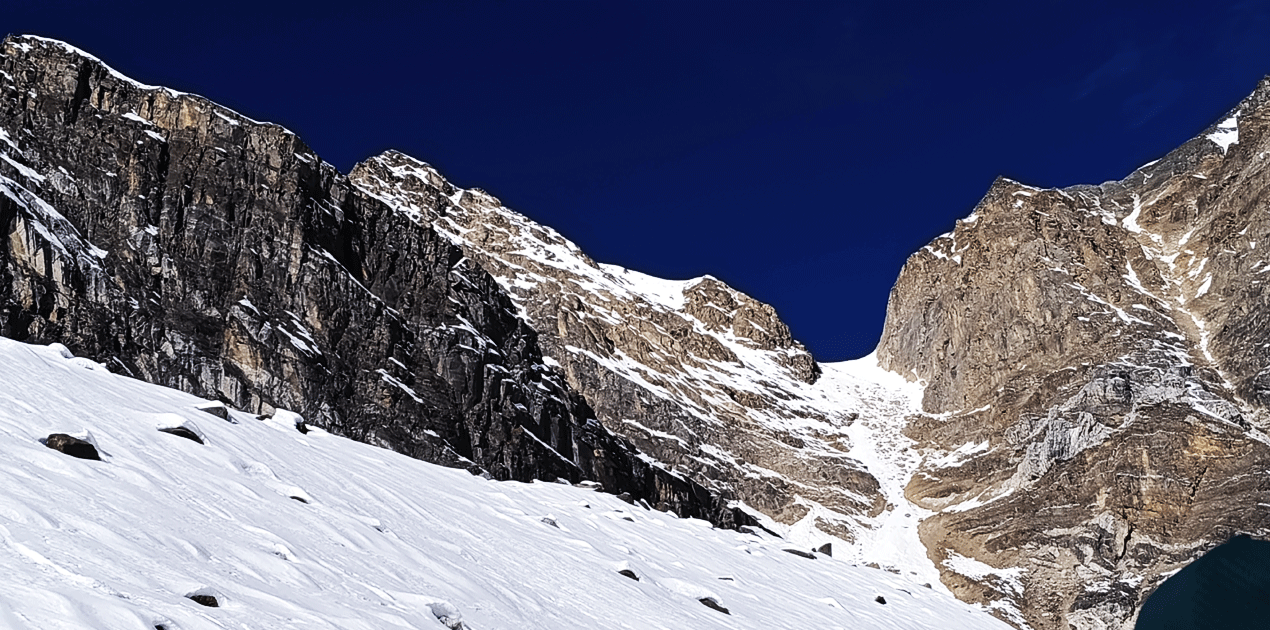
The summit day begins in the early morning hours to ensure optimal snow conditions. The route follows a couloir and moderate snow slopes to the pass between Mardi Himal and Machhapuchhre, then turns toward Mardi Himal Peak. The climb takes around 6–8 hours round trip, offering stunning panoramic views. Climbers then descend to Korchon Danda for an overnight stay. - Day 6: Korchon Danda – Tatopani/Kharpani
Descending via Khumai Danda and the pass before Lubruche, trekkers follow a steep trail to reach Tatopani/Kharpani, known for its natural hot springs. This section offers a welcome respite after the challenging high-altitude climb. - Day 7: Tatopani/Kharpani – Jeep to Pokhara
The trek concludes with a jeep ride back to Pokhara, offering a scenic drive through the valleys and villages of the Annapurna region.
Cost Included
- All entrance fees to trekking and protected areas.
- Essential permits, including ACAP and TIMS cards for the Mardi Himal trek and climb.
- Meals during the trek: breakfast, lunch, and dinner, prepared with local and international options.
- Tea and snacks are available three times a day at camps or lodges.
- Accommodation as specified in the itinerary, including lodges and high-altitude camps.
- First aid kits and basic medical support for the trek.
- Professional trekking and climbing guide, government-licensed holder, plus experienced porters.
- Staff insurance and salaries, priority to safety and professionalism.
- Kitchen and camping equipment, including tents, cooking gear, dining sets, and sleeping arrangements.
- All government taxes, fees, and required paperwork associated with trekking and climbing permits.
Cost Excluded
- Personal climbing gear and equipment such as boots, crampons, harnesses, and sleeping bags.
- Personal travel insurance, including coverage for high-altitude trekking and rescue operations.
- Tips for guides and porters are customary and highly appreciated.
- Alcoholic beverages and extra drinks are not included in meals.
- Personal expenses, including souvenirs, phone charges, laundry, or extra snacks.
- Nepal entry visa fees are paid upon arrival at Tribhuvan International Airport.
Frequently Asked Questions
Mardi Himal Peak is located in the Annapurna region of Nepal, east of Annapurna South and very close to Machhapuchhre (Fishtail). The climb follows the scenic Mardi Himal trekking route from Pokhara.
Mardi Himal Peak is considered a moderately difficult trekking peak (PD / PD+).
It involves:
Steep snow slopes near the summit
Use of crampons, ice axe, and rope
No technical rock climbing
It is suitable for fit trekkers with basic alpine experience.
Typical itineraries range from 5 to 7 days for the trek, with the climb to Mardi Himal Base Camp or High Camp included. Some trekkers extend it to 8 days for extra acclimatization or side trips.
The trek reaches Mardi Himal Base Camp at 4,500 m and Mardi Himal High Camp at around 4,600–4,700 m. Acclimatization days are recommended to avoid altitude sickness.
A licensed guide is highly recommended, especially for the High Camp climb. Porters are optional but useful if you prefer to carry a lighter backpack.
Essentials include:
Warm clothing for high altitudes
Comfortable trekking shoes
Rain gear
Hat, sunglasses, and sunscreen
Water bottle and trekking poles (optional but recommended)
While the lower sections are suitable for beginners, trekking to Base Camp and High Camp requires good fitness and prior hiking experience at moderate altitude.
Temperatures can vary widely: warm in the lower forests, cool to cold at High Camp. Snow is possible at higher elevations, especially in spring and autumn.
Mobile coverage is available in some villages, but it is limited or absent near Base Camp. Internet is available in larger teahouses in Pokhara or major villages.
Yes, it can be combined with Ghorepani Poon Hill, Annapurna Base Camp, or Mardi Himal-Ghorepani loop for a longer trekking experience.