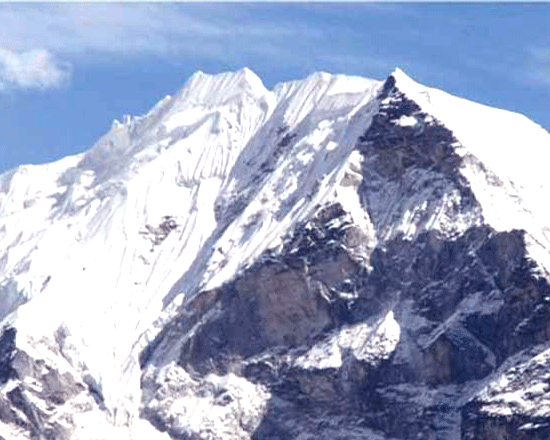
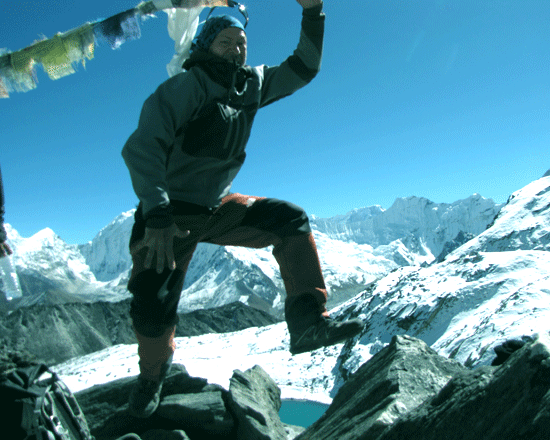
Nestled in the remote eastern part of Nepal, Bokta Peak Climbing stands tall at 6,143 meters (20,154 feet) above sea level. This majestic mountain is part of the Kanchenjunga, offering an extraordinary climbing experience for adventurers seeking both challenge and serenity. While it may not be as famous as other trekking peaks in Nepal, its untouched beauty and the sense of accomplishment provide a true hidden gem for climbers.
Bokta Peak Climbing: Package and Itinerary by Nepal Wilderness Trekking
Begin an unforgettable adventure with Nepal Wilderness Trekking to Bokta Peak Climbing, guided by our expert climbing team. This 23-day itinerary includes a scenic flight from Kathmandu to Bhadrapur, followed by a rugged trek through the Kanchenjunga Conservation Area. Our itinerary ensures proper acclimatization days for higher altitudes. The climb involves setting up two high camps for a safe summit. Our seasoned guides provide expert support, ensuring a safe and rewarding experience. With us, you’ll not only conquer Bokta Peak Climbing but also immerse yourself in the region’s rich culture and biodiversity.
Location and Accessibility
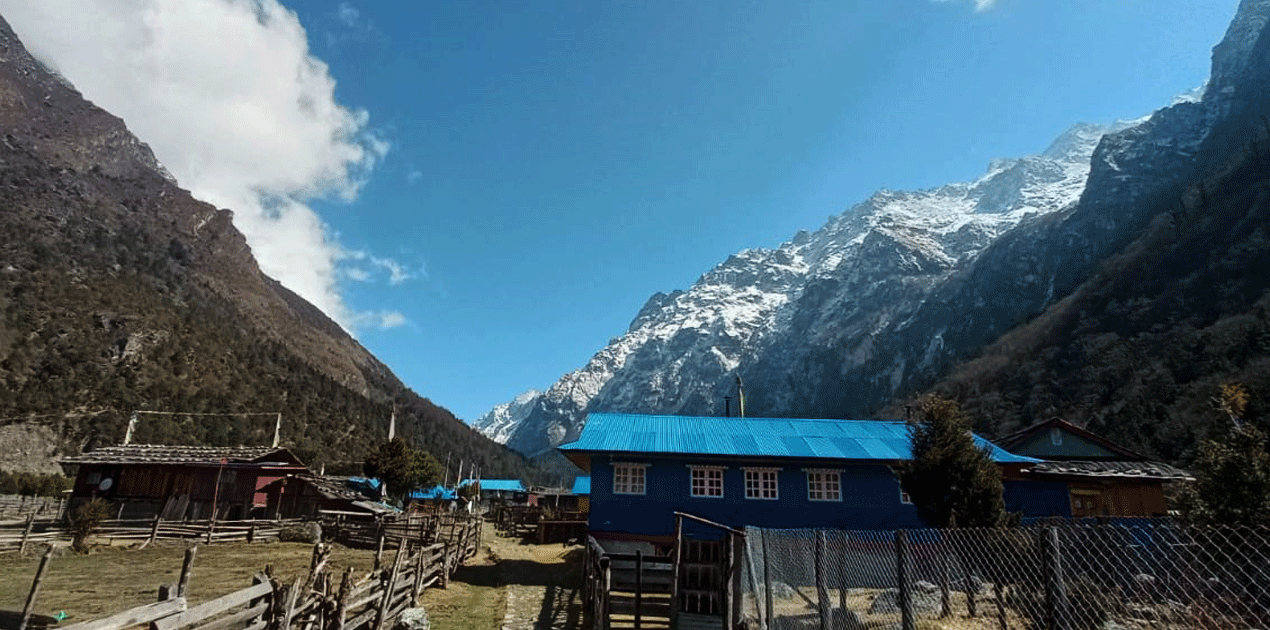
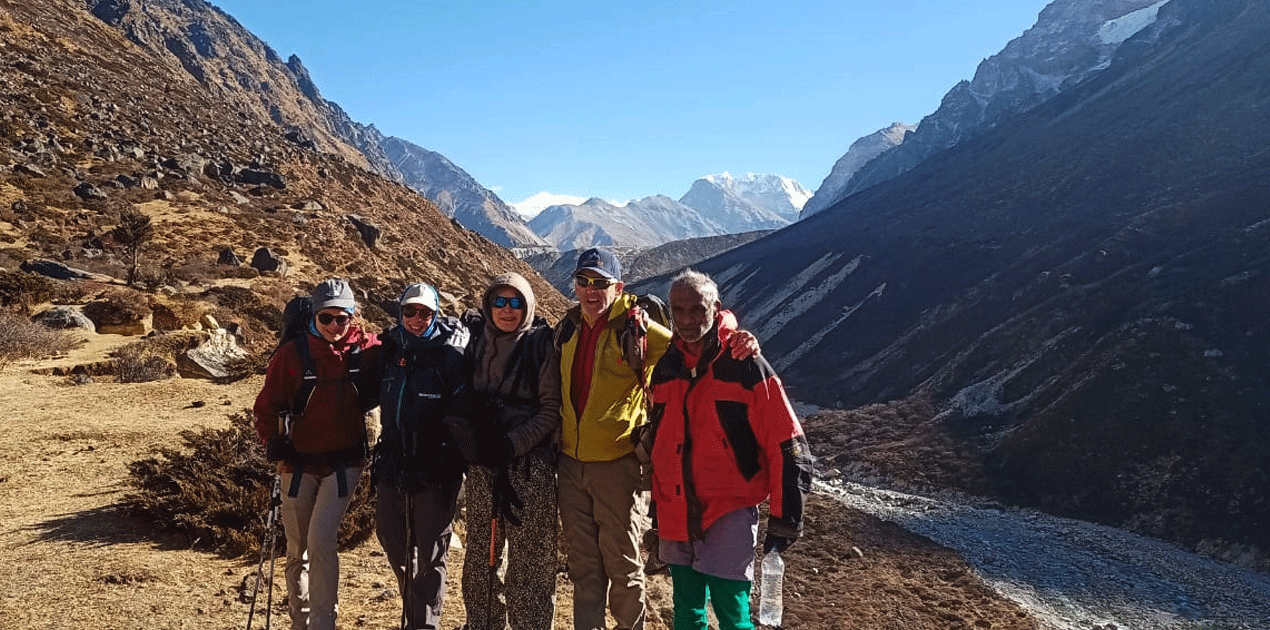
Bokta Peak is located in the Kanchenjunga Conservation Area, one of Nepal’s most pristine and least-explored regions. The journey to this peak starts with a domestic flight from Kathmandu to Bhadrapur, followed by a long drive to Taplejung. From there, trekkers embark on a multi-day trek through lush forests, alpine meadows, and remote mountain villages. The approach to Bokta Peak climbing coincides with the Kanchenjunga Base Camp trek, allowing climbers to immerse themselves in the natural beauty and diverse culture of the region.
Essential Equipment
-
Glacier Kit: Crampons, ice axe, harness, prusiks, crevasse rescue kit.
-
High-Altitude Gear: 600–800 g down suit or layered system, 600 + fill sleeping bag (rated to –20 °C), expedition tent.
-
Cooking & Communication: Fuel stoves (liquid fuel recommended), satellite phone or VHF radio.
Team & Logistics
The Climbing Experience
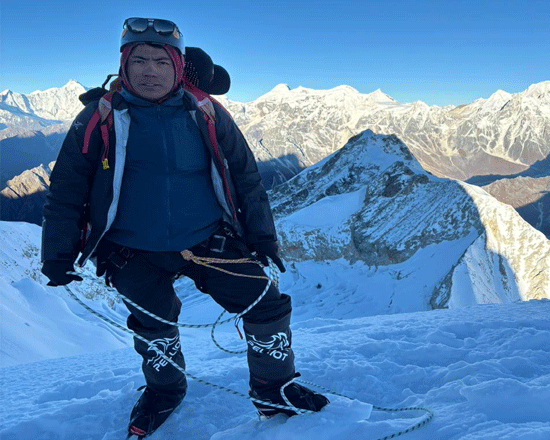
Bokta Peak Climbing is a rewarding yet demanding adventure. The ascent is graded as PD+ (Peu Difficile Plus) on the French Alpine scale, indicating that it involves technical sections, including snow slopes and glacier crossings. The climb requires basic mountaineering skills, including the use of ice axes, crampons, and ropes.
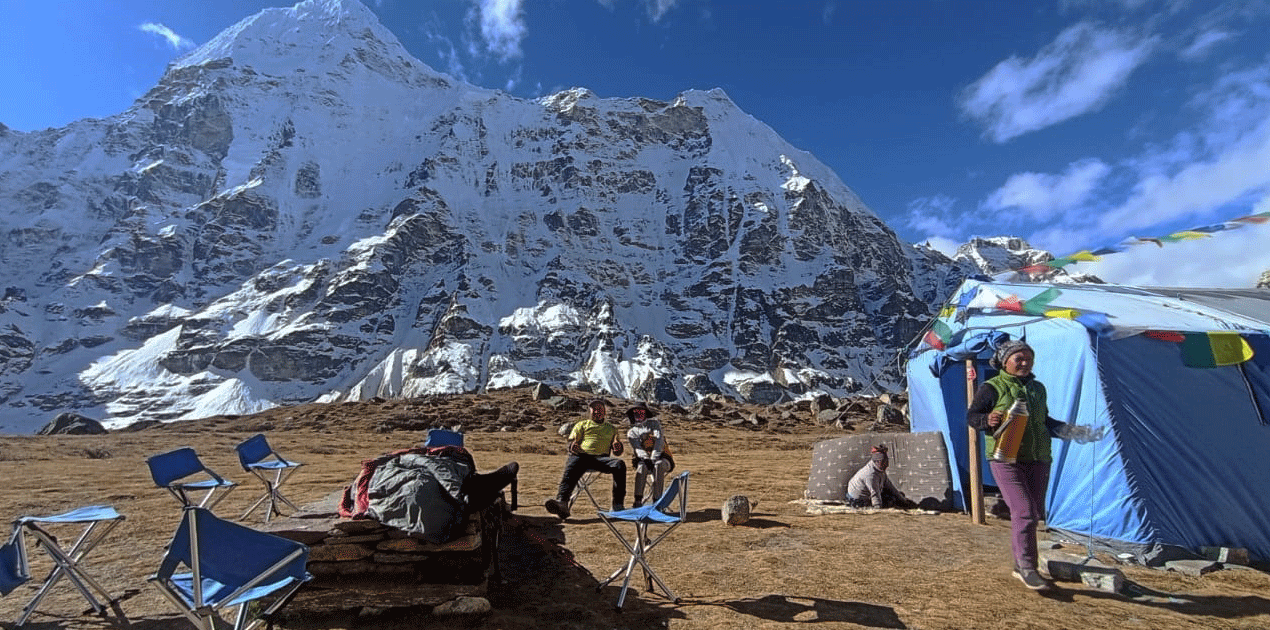
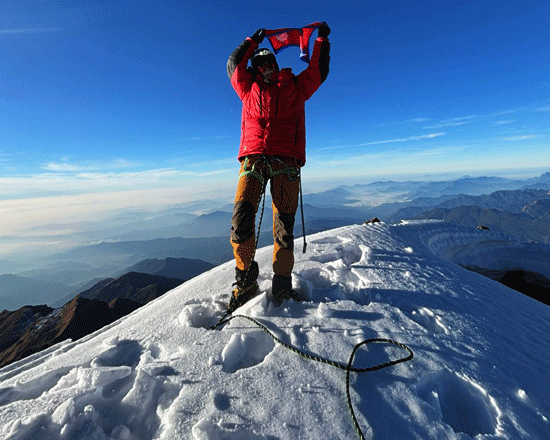
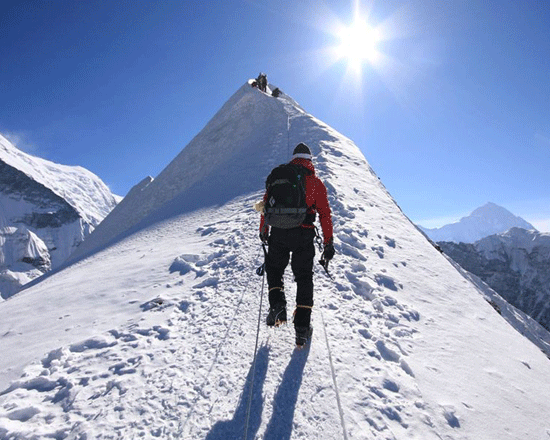
The journey to the summit typically takes 4-5 days from the base camp. Climbers establish two high camps to aid acclimatization and to manage the challenging terrain. The final push to the summit involves navigating steep snow-covered slopes, offering both excitement and breathtaking views of surrounding peaks like Kanchenjunga (8,586 m), Jannu (7,710 m), and the distant Makalu (8,485 m). On a clear day, the Tibetan plateau can also be seen, adding to the grandeur.
Flora and Fauna
The trek to Bokta Peak passes through the Kanchenjunga Conservation Area, home to an incredible variety of flora and fauna. At lower altitudes, trekkers walk through rhododendron forests, bamboo groves, and oak woodlands. As the elevation increases, the vegetation transitions to alpine shrubs and moss-covered rocks.
Wildlife enthusiasts might spot red pandas, Himalayan black bears, musk deer, and a variety of bird species like blood pheasants and Himalayan monals. The region’s biodiversity makes the journey to Bokta Peak Climbing as enriching as it is challenging.
Acclimatisation for Bokta Peak Climbing
-
“Climb High, Sleep Low”
Whenever possible, gain elevation during the day but descend to sleep at a lower altitude.
-
Gradual Ascent
Don’t push more than 300–500 m of net sleeping-altitude gain per day once above 3,000 m.
-
Rest & Hydration
Drink at least 4–5 liters of water daily; avoid alcohol and heavy meals at altitude.
-
Active Recovery
Gentle day-hikes above camp to boost red-blood-cell production, then return to sleep lower.
-
Monitor Yourself
Check for headache, nausea, dizziness, and reduce altitude at the first signs of AMS.
Cultural Encounters
The route to Bokta Peak climbing winds through Sherpa, Limbu, and Rai villages, where climbers can experience the rich cultural tapestry of eastern Nepal. Villagers warmly welcome trekkers, offering insights into their age-old traditions, agricultural lifestyles, and religious practices. The region is also dotted with Buddhist monasteries, mani walls, and chortens, which add a spiritual dimension to the trek.
Best Time to Climb
The best seasons for Bokta Peak Climbing are spring (April-May) and autumn (September-November). During these months, the weather is relatively stable, offering clear skies and mild temperatures. Spring showcases the blooming rhododendrons, while autumn provides crisp air and excellent visibility. Winter climbs are extremely challenging due to heavy snowfall and frigid temperatures, while the monsoon season (June-August) brings heavy rains and treacherous trails.
Physical and Technical Preparation
Bokta Peak Climbing requires good physical fitness and basic mountaineering skills. Prospective climbers should engage in cardiovascular training, strength exercises, and practice using climbing gear. Previous experience in trekking peaks above 5,000 meters is highly recommended.
Essential equipment includes:
- Mountaineering boots suitable for snow and ice
- Ice axe and crampons
- Climbing harness and ropes
- Warm, layered clothing
- Sleeping bag rated for extreme cold
- Sunglasses and sunscreen for high-altitude UV protection.
Permits and Regulations
For Bokta Peak Climbing, adventurers must obtain a climbing permit from the Nepal Mountaineering Association (NMA). Additionally, trekkers need a Kanchenjunga Conservation Area Permit (KCAP) and a Restricted Area Permit. These permits help support conservation efforts and regulate tourism in the fragile mountain environment.
Challenges and Rewards
Bokta Peak climbing presents several challenges, including unpredictable weather, altitude sickness, and technical sections. Acclimatization is crucial to prevent Acute Mountain Sickness (AMS). Hiring an experienced guide and support team enhances safety and increases the chances of a successful summit.
The rewards, however, are immense. The solitude of the Kanchenjunga region, combined with the panoramic views from the summit, creates an unparalleled sense of achievement. Climbers are not only treated to breathtaking landscapes but also gain a deeper connection to the natural world and local cultures.
Why Choose Bokta Peak?
While many climbers are drawn to more famous peaks like Island Peak or Mera Peak, Bokta Peak offers a less crowded, more immersive experience. It is ideal for those seeking an off-the-beaten-path adventure in a region renowned for its rugged beauty and cultural richness. The journey tests physical and mental endurance while rewarding climbers with unparalleled memories.
For those willing to step beyond the usual trekking routes and embrace a true Himalayan adventure, Bokta Peak stands as a beacon of challenge, beauty, and triumph. From the Bokta Peak, the climber will capture both the Kanchenjunga south and the north side of Kanchenjunga.