
Skip to content
Nepal

Private local-guided destination

Nepal

Nepal

About this destination

About Nepal

Nepal

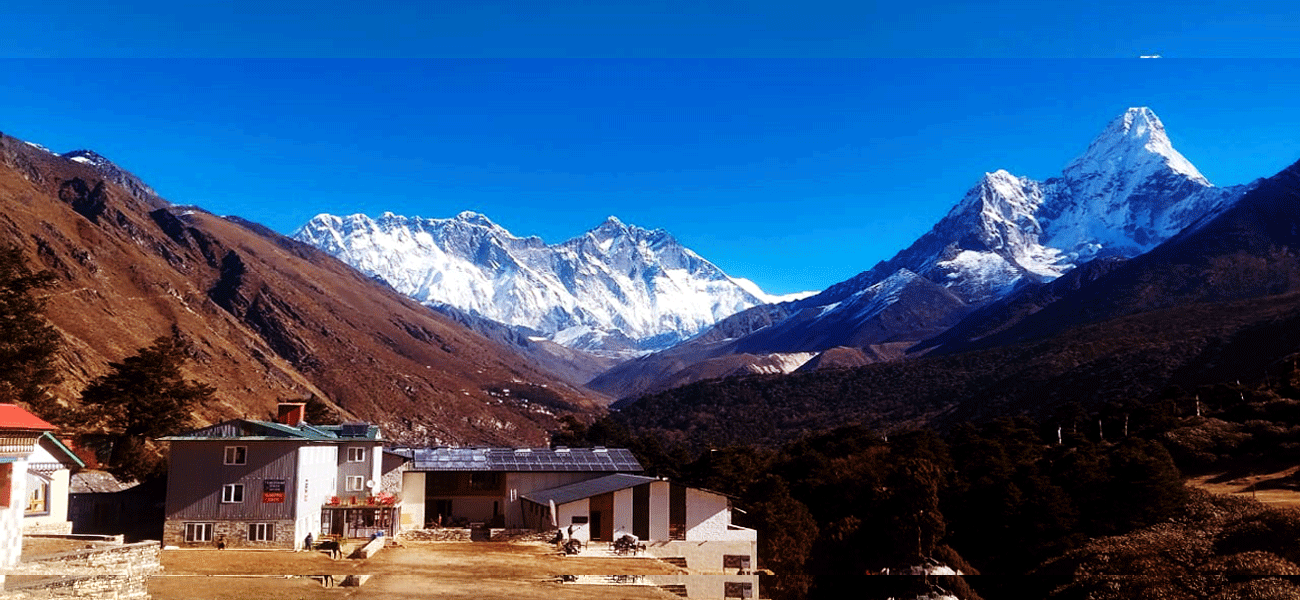
Where is Nepal located? Where is Nepal? This stunning country sits in South Asia, nestled between China's Tibet region to the north and India to the south, east, and west. Where is Nepal located on a world map? It is a landlocked nation slightly larger than Arkansas, positioned in the heart of the Himalayas. Nepal is a country with the highest mountain in the world, "Mount Everest", which includes the stunning Himalayan mountains and high hills. The country is decorated…

7 Activities
0 Trip Options
View Trips
Nepal
7 activity styles

Activity guides

Detailed Information

Compare the main Nepal activity styles, read the route notes, and jump straight into the trips that match your pace.

Trekking in Nepal
Guide 01

Trekking in Nepal

117 curated programs

View trips

Trekking in Nepal

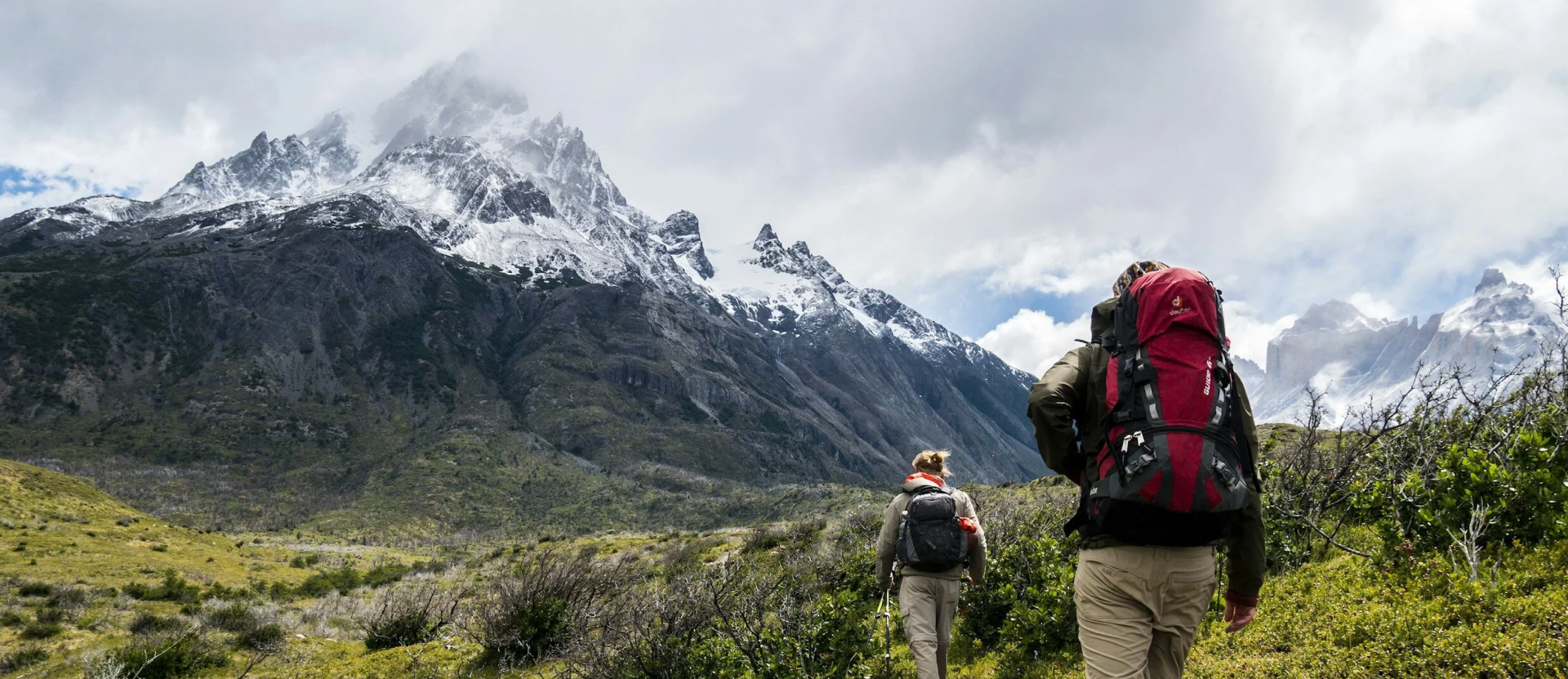
Trekking in Nepal offers unique adventure, combining breathtaking landscapes, rich cultural experiences, and a sense of accomplishment as you trek some of the world’s most famous trails. From the iconic Everest Base Camp trek to the serene Annapurna Circuit, Nepal’s diverse terrain attract to all levels of trekkers.

Whether you’re seeking high-altitude challenges, lush valleys, or the opportunity to interact with local communities, Nepal has something for everyone. Each trek offers its own highlights, from stunning Himalayan views to ancient monasteries, terraced fields, and traditional villages.

Trekking in Nepal also provides a chance to experience the warm hospitality of the Nepali people, often in cozy teahouses along the trails. The combination of natural beauty, cultural richness, and the spirit of adventure makes trekking in Nepal a truly unforgettable experience.

  1. Everest Region (Khumbu)
    • Highlights: 
      • Everest Base Camp: 5,364 meters (17,598 feet)
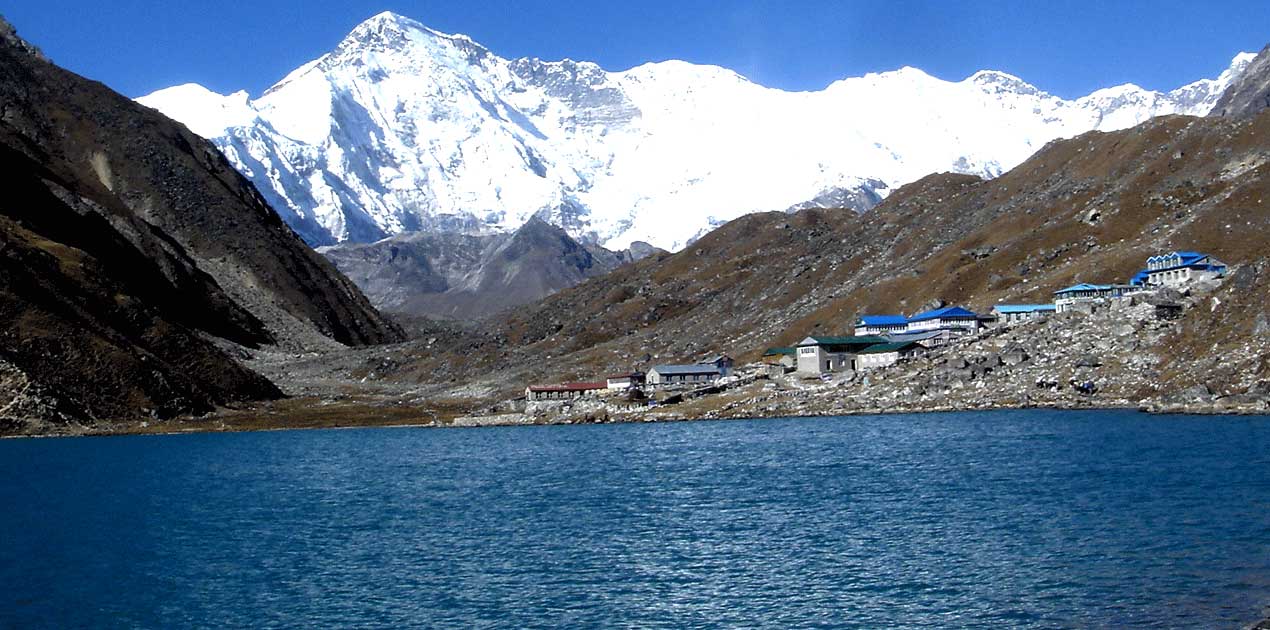
      • Gokyo Lakes: 4,700–5,000 meters (15,420–16,404 feet)
      • Tengboche Monastery: 3,867 meters (12,687 feet)
    • Description: Home to the world’s highest peak, the Everest region offers mesmerize treks with iconic views of the Himalayas. The area is rich in Sherpa culture, with ancient monasteries and friendly villages.
  2. Annapurna Region
    • Highlights:
      • Annapurna Circuit: 5,416 meters (17,769 feet) at Thorong La Pass
      • Annapurna Base Camp: 4,130 meters (13,550 feet)
      • Poon Hill: 3,210 meters (10,531 feet)
      • Mardi Himal: 4,500 meters (14,763 feet)
    • Description: One of the most popular trekking regions, Annapurna offers diverse landscapes ranging from subtropical forests to high alpine meadows. Treks here are known for their variety, with stunning views of the Annapurna and Dhaulagiri ranges.
  3. Langtang Region
    • Highlights:
      • Langtang Valley: 3,430 meters (11,253 feet) at Kyanjin Gompa
      • Gosainkunda Lake: 4,380 meters (14,370 feet)
      • Helambu: 3,650 meters (11,975 feet) at Tharepati Pass
    • Description: Closer to Kathmandu, the Langtang region is known for its beautiful valleys, glacial lakes, and rich Tamang culture. It’s less crowded but equally rewarding, with breathtaking mountain views.
  4. Manaslu Region
    • Highlights:
      • Manaslu Circuit: 5,160 meters (16,930 feet) at Larkya La Pass
      • Tsum Valley: 3,700 meters (12,139 feet) at Mu Gompa
    • Description: A more remote and less visited area, the Manaslu region offers a wilderness experience with stunning views of Mount Manaslu. The region is culturally rich, with influences from Tibetan Buddhism.
  5. Dolpo Region
    • Highlights:
      • Upper Dolpo: 5,350 meters (17,552 feet) at Kang La Pass
      • Shey Phoksundo Lake: 3,611 meters (11,849 feet)
    • Description: Dolpo is one of Nepal’s most remote regions, offering treks through arid landscapes, ancient monasteries, and traditional Tibetan villages. It’s a region for adventurers seeking solitude and raw natural beauty.
  6. Mustang Region
    • Highlights:
      • Upper Mustang: 3,840 meters (12,600 feet) at Lo Manthang
      • Lo Manthang: 3,800 meters (12,467 feet)
    • Description: Mustang, known as the “Forbidden Kingdom,” offers a unique trekking experience with its desert-like landscapes, ancient caves, and Tibetan culture. The region has a mystic allure, with its well-preserved medieval towns and monasteries.
  7. Kanchenjunga Region
    • Highlights:
      • Kanchenjunga Base Camp: 5,143 meters (16,873 feet) at North Base Camp, 5,140 meters (16,864 feet) at South Base Camp
    • Description: The remote Kanchenjunga region, home to the world’s third-highest peak, having challenging treks through diverse landscapes, including rhododendron forests, alpine meadows, and high mountain passes. This area is less explored, providing a true wilderness experience.

Each region offers its unique trekking experience, making Nepal a premier destination for trekkers of all interests and skill levels.

Cultural Encounters

Trekking in Nepal is not just about the physical journey; it is also a cultural richness. As you traverse through remote villages and diverse landscapes, you will have the opportunity to interact with local communities and experience their traditional way of life. The warmth and hospitality of the Nepali people add a rich cultural dimension to your trekking experience.

Trekking in Nepal in the Everest region, you will encounter the Sherpa people, renowned for their mountaineering skills.  They are deep-rooted to Buddhist traditions. Visiting monasteries and stupas along the way during the trek, you will gain insight into their spiritual practices and way of life. The Mani Rimdu festival, held at Tengboche Monastery, is a vibrant celebration of Sherpa culture and a highlight for many trekkers.

In the Annapurna region, the diverse mix of ethnic groups, including Gurung, Magar, and Thakali, offers a fascinating cultural mosaic. Each village has its unique traditions and customs, which you can experience firsthand. The warm hospitality and delicious local cuisine, such as the famous Thakali dal Bhat, add to the richness of the trekking experience.

Best Time to Trek

The best time to trek in Nepal is during the pre-monsoon (spring) and post-monsoon (autumn) seasons. Spring, from March to June, is characterized by blooming rhododendrons and moderate temperatures, making it a visually stunning time to trek. The vibrant colors of the flowers against the backdrop of snow-capped peaks create a picturesque landscape that is a treat for the eyes.

Autumn, from September to December, offers clear skies and mild weather, providing excellent visibility of the Himalayan peaks. This season also has the most stable weather conditions, ensuring a safer trekking experience. The crisp air and golden hues of the foliage create a magical atmosphere, making autumn a favorite season for many trekkers.

Preparation and Safety

Proper preparation is crucial for a successful trek in Nepal. Acclimatization is essential to avoid altitude sickness, especially on higher altitude treks like Everest Base Camp and Annapurna Circuit. Gradual ascent and adequate rest days help your body adjust to the altitude and reduce the risk of illness. It is advisable to consult with a healthcare professional before embarking on high-altitude treks.

Hiring a knowledgeable guide and porter can enhance your trekking experience by providing valuable insights and carrying heavy loads, allowing you to focus on enjoying the journey. Guides are familiar with the terrain and weather conditions, ensuring your safety throughout the trek. They also offer cultural insights and facilitate interactions with local communities, enriching your overall experience.

Investing in quality trekking gear is essential for a comfortable and safe trek. Sturdy hiking boots, warm clothing, and a reliable sleeping bag are must-haves. Layering your clothing allows you to adjust to varying temperatures throughout the day. A well-fitted backpack, trekking poles, and a good quality tent (for camping treks) are also important. Ensure you have travel insurance that covers high-altitude trekking and emergency evacuation.

Sustainable Trekking

As trekking in Nepal grows in popularity, it is vital to practice sustainable trekking to preserve the natural environment and support local communities. Choose eco-friendly lodges and trekking companies that promote responsible tourism practices. Minimize your waste by carrying reusable water bottles and avoiding single-use plastics. Respect local customs and traditions, and always ask for permission before taking photographs of people or their homes.

Supporting local businesses and communities by hiring local guides and porters, staying in locally-owned lodges, and purchasing locally-made products contributes to the local economy and helps preserve cultural heritage. Consider contributing to conservation efforts in the regions you visit, such as participating in clean-up campaigns or donating to local conservation projects.

Conclusion

Trekking in Nepal is a once-in-a-lifetime adventure that combines breathtaking landscapes, rich cultural experiences, and personal challenges. Whether you are trekking to Everest Base Camp, exploring the Annapurna Circuit, or discovering the hidden treasures of the Langtang Valley, Nepal offers an adventure that will stay with you forever. The diversity of trekking routes, the warmth and hospitality of the Nepali people along with the stunning natural beauty of the Himalayas. Embark on this extraordinary journey and create memories that will last a lifetime.

Nepal Wilderness Trekking Pvt. is a trip-leading local Company in Nepal. The company is well known for its quality and affordability. In addition, with 70 experienced guides and porters, it is successful in covering all trekking regions in Nepal. 

In short, here are the Trekking regions covered:

Moreover, the company does other activities such as:

Also, the company is registered in:-

  1. Nepal Tourism Board (NTB)
  2. Tourism Industry Division (TID) 
  3. Nepal Mountaineering Associations (NMA)
  4. Trekking agency Associations of Nepal (TAAN)

Last but not least, Nepal Wilderness Trekking company is a customer-centric company, our team shapes what they do around our customers’ needs. In addition, to know our customers’ opinions kindly check TripAdvisor and the testimonials on the site. The company is one of the most excellent trekking service providers.

Nepal with Kids
Guide 02

Nepal with Kids

5 curated programs

View trips

Exploring Nepal with Kids: Ultimate Family Adventures

Nepal provides a variety of short and easy treks that offer a memorable family adventure, showcasing the wonders of this beautiful country to travelers of all ages. With its majestic landscapes, rich cultural heritage, and diverse wildlife, Nepal serves as an ideal destination for families seeking an enriching and adventurous holiday. Carefully crafted itineraries ensure that journeys through Nepal with children are safe, enjoyable, and educational.

Why Choose Nepal for Your Family Vacation?

Traveling with children requires thoughtful planning and attention to detail. Here are some reasons why Nepal is perfect for a family trip:

  1. Family-Friendly Itineraries
    • Nepal offers a balance of adventure and relaxation, ensuring that every family member, from toddlers to teenagers, has an unforgettable experience. There are activities suitable for various age groups and fitness levels, making family trekking in Nepal accessible and enjoyable.
  2. Expert Local Guides
    • Knowledgeable guides team about Nepal’s history, culture, and geography can engage and entertain young travelers. And  if kids prefer a female sherpa guide then also we have an expert female guide. They ensure the safety and comfort of your family throughout the trip.
  3. Customized Experiences
    • Personalized travel plans can meet your family’s specific interests and requirements. Whether you prefer cultural immersion, wildlife safaris, or scenic treks, tailored services can create your perfect family adventure.

Top Family-Friendly Destinations in Nepal

  1. Kathmandu Valley
    • Begin your adventure in the vibrant Kathmandu Valley, home to ancient temples, bustling markets, and historical landmarks. Explore the Swayambhunath (Monkey Temple) and the Boudhanath Stupa, where children can marvel at the architecture and enjoy the lively atmosphere. This experience is perfect for families exploring Nepal with kids.
  2. Pokhara
    • Known for its serene lakes and stunning mountain views, Pokhara is a must-visit destination for families. Families can enjoy boating on Phewa Lake, visiting the International Mountain Museum, or taking a leisurely walk along the lakeside promenade.
  3. Chitwan National Park
    • Experience the thrill of a jungle safari in Chitwan National Park. Spot rhinos, elephants, and many species bird species on a guided tour. The park’s elephant breeding center and canoe rides offer additional excitement for young adventurers.
  4. Nagarkot
    • Escape to the hill station of Nagarkot for breathtaking views of the Himalayas. This peaceful retreat is perfect for family picnics, nature walks day hikes from Nagarkot to Changunayaran, and witnessing spectacular sunrises over the mountain peaks.
  5. Bhaktapur
    • Explore the ancient city of Bhaktapur, a UNESCO World Heritage Site known for its well-preserved architecture and traffic-free streets. Kids will enjoy the open spaces and the opportunity to learn about Nepal’s history and culture.

Family-Friendly Trekking Adventures

  1. Ghorepani Poon Hill Trek
    • Duration: 4-5 days
    • Max Altitude: 3,210 meters (Poon Hill)
    • Highlights: This popular trek offers stunning mountain views without being too strenuous. The relatively short duration and well-marked trails make it ideal for families. Children will love the panoramic views from Poon Hill and the cultural encounters in the Gurung villages. This is an excellent option for a Nepal trek with kids.
  2. Langtang Valley Trek
    • Duration: 7-9 days
    • Max Altitude: 3,870 meters (Kyanjin Gompa)
    • Highlights: The Langtang Valley Trek provides a mix of natural beauty and cultural experiences. With moderate-difficulty landscapes, this trek is suitable for families looking to explore the Langtang Himalayan region at a comfortable pace.
  3. Annapurna Base Camp Trek
    • Duration: 5-7 days
    • Max Altitude: 4,130 meters
    • Highlights: For families with older children and teens age kids, the Annapurna Base Camp Trek is a fantastic choice. The trek offers diverse scenery, from lush forests to high-altitude landscapes, and provides a rewarding sense of achievement upon reaching the base camp. This trek exemplifies the best of family trekking in Nepal.
  4. Tamang Heritage Trail

    • Duration: 5-7 days
    • Max Altitude: 3,165 meters (Nagthali)
    • Highlights: This trek is a great option for families looking to combine cultural immersion with moderate trekking. The Tamang Heritage Trail passes through traditional Tamang villages, offering insights into the local way of life, customs, and Buddhist practices. The trail is less crowded and features hot springs, terraced fields, and stunning views of the Langtang range.
    • Cultural Experience: The trek provides a deep cultural experience, with opportunities to interact with local families, visit monasteries, and experience Tamang hospitality.
  5. Lower Mustang Trek

    • Duration: 7-9 days
    • Max Altitude: 3,800 meters (Muktinath)
    • Highlights: The Lower Mustang trek is an excellent choice for families, as it offers a blend of natural beauty, cultural experiences, and relatively easy trekking. The trail follows the Kali Gandaki River and passes through the picturesque town of Jomsom, leading to the sacred site of Muktinath. The region is in the rain shadow of the Himalayas, making it a good option during the monsoon season.
    • Cultural Experience: The trek provides an opportunity to explore the unique Tibetan-influenced culture of the Mustang region, with its ancient monasteries, prayer flags, and traditional villages.

Engaging Activities for Kids

  1. Cultural Workshops
    • Engage your children in cultural workshops where they can learn traditional Nepali crafts, dance, and cooking. These hands-on activities are both fun and educational, providing a deeper understanding of local traditions.
  2. Wildlife Tours
    • Guided wildlife tours in Chitwan or Bardia National Park are thrilling for kids. They will learn about Nepal’s wildlife conservation efforts and enjoy the excitement of spotting exotic animals in their natural habitat.
  3. Volunteering and Community Projects
    • Involve your family in volunteer programs that give back to local communities. Activities such as teaching English, participating in environmental projects, or helping at local schools can be incredibly rewarding and teach children the value of compassion and service.
  4. Adventure Sports
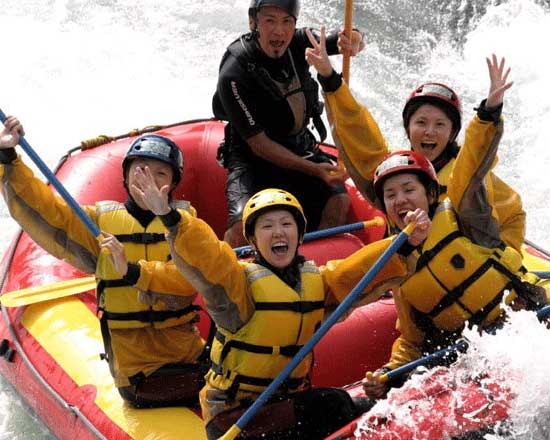
    • Older kids and teens can experience the thrill of adventure sports like white-water rafting on the Trishuli River, zip-lining in Pokhara, or paragliding over stunning landscapes. These activities provide excitement and unforgettable memories.

Practical Tips for Traveling in Nepal with Kids

  1. Choose the Right Trek: Opt for treks with lower altitudes, moderate difficulty, and shorter daily hiking distances.
  2. Pace and Flexibility: Plan for a slower pace and build in rest days to allow kids to acclimatize and enjoy the experience.
  3. Stay Hydrated: Ensure that kids drink plenty of water to avoid dehydration, especially at higher altitudes.
  4. Health and Safety: Ensure all vaccinations are up-to-date and carry a well-stocked first-aid kit. Be mindful of food and water safety to prevent illness. Guides trained in first aid and emergency response can enhance your safety.
  5. Snacks and Entertainment: Pack snacks, games, and activities to keep kids engaged during breaks and at teahouses.
  6. Accommodation: Family-friendly accommodations offer necessary amenities such as extra beds, kid-friendly meals, and safe environments. Homestays provide a unique cultural experience and a warm, welcoming atmosphere.
  7. Packing Essentials: Pack appropriately for Nepal’s varied climates. Include layers of clothing, comfortable walking shoes, sunscreen, insect repellent, and any required medications. Don’t forget to bring entertainment and comfort items for the kids.
  8. Altitude Awareness: If visiting high-altitude areas, allow time for acclimatization and be aware of altitude sickness symptoms. Experienced guides can manage altitude-related issues to ensure your family’s safety and comfort.

Conclusion

Exploring Nepal with kids is a journey filled with adventure, education, and cherished family moments. Your family can safely and comfortably discover the beauty and culture of Nepal. From the bustling streets of Kathmandu to the Himalayas Trek, every step of your adventure will be guided with care and expertise. Create unforgettable memories as you explore the wonders of Nepal with your loved ones. Experience the best of Nepal trek with kids, and let the magic of family trekking Nepal unfold before you.

Nepal Wilderness Trekking Agency PVT can assist in planning family treks, with guides and porters who understand the interests and needs of children. Discounts are available for children, making these adventures more affordable for families.

For more information on planning your perfect family adventure, visit our website or contact us directly. We look forward to guiding you on an incredible journey through Nepal with kids.

email: himalghale99@gmail.com

WhatsApp: +9779849693351

Peak Climbing In Nepal
Guide 03

Peak Climbing In Nepal

21 curated programs

View trips

 Peaks Climbing in Nepal

Nepal peak climbing offers one of the most exciting and rewarding mountain adventures in the world. Situated in the heart of the Himalayas, Nepal is home to hundreds of snow-covered peaks, including 27 officially recognized trekking peaks managed by the Nepal Mountaineering Association (NMA). These mountains are ideal for adventurous trekkers who want to experience real mountaineering without committing to a full-scale expedition on an 8,000-meter giant.

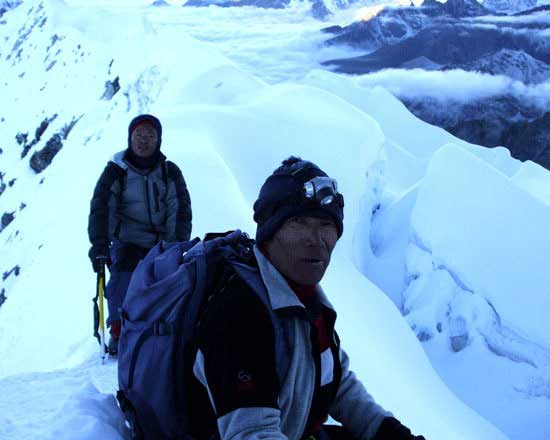
Peak climbing in Nepal combines trekking through spectacular mountain landscapes with the thrill of standing on a Himalayan summit. Many of Nepal’s trekking peaks rise above 6,000 meters and require basic mountaineering skills, including the use of crampons, ice axes, ropes, and harnesses. However, they remain accessible to fit trekkers with determination and the support of experienced guides.

Whether you dream of climbing Island Peak, Mera Peak, Lobuche East, Pisang Peak, or Yala Peak, Nepal offers options for beginners and experienced climbers alike.

At Nepal Wilderness Trekking, we specialize in safe, professionally guided peak climbing trips throughout the Himalayas. With over 25 years of experience, our team provides expert guides, quality equipment, and personalized support to help you achieve your summit goals.

Why Choose Nepal for Peak Climbing?

Nepal is the world’s premier destination for high-altitude trekking and climbing. There are several reasons why climbers from around the globe choose Nepal for their first Himalayan summit:

1. Incredible Variety of Climbing Peaks

Nepal offers trekking peaks suitable for all experience levels. Some are technically straightforward, while others require more advanced skills.

2. Stunning Himalayan Scenery

Peak climbing routes pass through iconic mountain regions such as Everest, Annapurna, Langtang, and Kanchenjunga.

3. Rich Culture and Hospitality

Treks take you through Sherpa, Tamang, Gurung, and Tibetan communities with unique traditions and warm hospitality.

4. Affordable Compared to Other Mountain Destinations

Nepal provides world-class mountaineering experiences at a fraction of the cost of climbing in Europe or North America.

5. Professional Guides and Infrastructure

Experienced local guides, porters, and teahouses make climbing safer and more comfortable.

What Is Peak Climbing in Nepal?

Peak climbing in Nepal refers to ascending trekking peaks that are lower and less technically demanding than major expedition mountains. These climbs usually involve:

  • Trekking to base camp
  • Acclimatization hikes
  • Basic mountaineering training
  • High camp setup
  • Summit push using ropes and climbing gear

Most climbing peaks in Nepal range between 5,500 and 6,500 meters.

Mera peak

Eight of Nepal’s mountains are over eight thousand meters high. This is the name of the mountain

  1. Everest 8,848 m
  2. Lhotse 8,516 m
  3. Makalu 8,481 m
  4. Cho Oyu 8,201 m
  5. Dhaulagiri 8,167 m
  6. Manaslu 8,156 m
  7. Annapurna 8,091 m
  8. Kanchenjunga 8,586 m

In addition Peak Climbing In Nepal, there are 1,300 mountains higher than 6,000 meters. The Nepal Mountaineering Association NMA List has issued licenses to 17 summits. You can find numerous mountain peak itineraries on our site. We promise you will have a memorable experience with our expert climbing guides and teams during your Nepal peak climbing with us.

The season for climbing the  Peaks

Nepal is a suitable destination to travel to throughout the year, however, for trekking and mountain climbing holidays, the spring and autumn seasons are ideal. You can climb the mountain peaks of Nepal in the autumn or anytime, with the full support and guidance of Sherpas, paying teak/climbing permit royalty to the local trekking company. The ideal and most suitable seasons for peak climbing in Nepal are spring (March to May) and autumn (September to November).  It is the perfect time to trek in Nepal during these seasons. There is less rain, less snow, and a fairly warm climate in the Himalayas, which has made climbing and expeditions to the top possible.

Climbing gear is more important for Peak Climbing In Nepal. Climbing boots are more important because they need to fit snugly over the ankle and be waterproof. The rest of the gear can be rented or bought, and we can advise if you are new to climbing Nepal’s peaks.

Best Peak Climbing in Nepal

Nepal offers dozens of excellent climbing peaks. Here are some of the most popular options.

Nepal wilderness trekking teams lead listed Peak climbing in Nepal. Ama Dablam Peak || Island Peak || Lobuche Peak || and Mera Peak are in the Everest region. In the Makalu region is Baruntse Peak. In the Annapurna Region has Pisang Peak || Chulu Far East Peak || and Tent Peak. In the Langtang region is Paldor peak || Yala Peak. In the Rolwaling region are Ramdung Peak || and Pachermo Peak.

Note: The client needs to have the skill to climb the 6,000-meter peaks in Nepal. This is if they know how to use gears like crampons, ropes, and ice axes. You can reach your goals and summits with these gears.

Island peak summit

Physical Fitness for Peak Climbing

To enjoy a successful summit, you should:

  • Hike 6–8 hours daily on steep terrain
  • Carry a light daypack
  • Tolerate high altitude
  • Maintain strong cardiovascular fitness

Recommended training includes:

  • Hiking with elevation gain
  • Running or cycling
  • Stair climbing
  • Strength training
Sight Seeing Tour
Guide 04

Sight Seeing Tour

9 curated programs

View trips

Sight Seeing tour and Day Hike

A sightseeing tour or day hike around Kathmandu is an excellent option for those beginning their Nepal trek or peak climbing adventures. You can also enjoy sightseeing after your trip if you return earlier than planned.

Kathmandu is home to several UNESCO World Heritage Sites, ancient temples, and vibrant markets. Here are some must-visit spots:

  1. Swayambhunath Stupa (Monkey Temple)
    • Highlights: This ancient stupa offers panoramic views of the Kathmandu Valley. The site mix of Hindu and Buddhist iconography, with a serene atmosphere and a large population of monkeys.
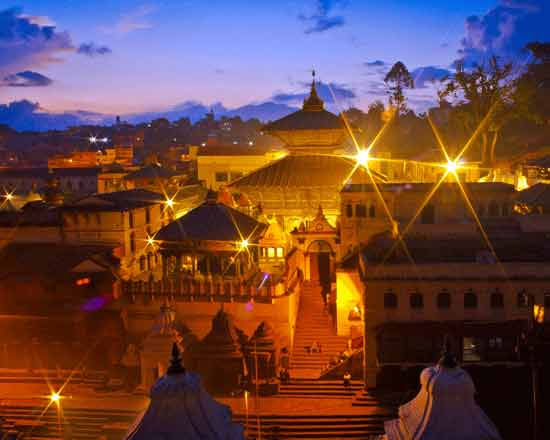
  2. Pashupatinath Temple
    • Highlights: Pashupatinath the holiest Hindu temples dedicated to Lord Shiva, located along the banks of the Bagmati River. The temple rich in cultural and spiritual significance, and visitors can observe traditional Hindu rituals.
  3. Boudhanath Stupa
    • Highlights: One of the largest stupas in the world, Boudhanath a significant site for Tibetan Buddhism. The area around the stupa filled with monasteries, shops, and restaurants, making it a vibrant place to explore.
  4. Kathmandu Durbar Square
    • Highlights: The former royal palace complex of the Malla kings. It features intricately carved wooden buildings, temples, and courtyards. The Living Goddess, or Kumari, also resides here.
  5. Patan Durbar Square
    • Highlights: Located in Lalitpur (Patan), this square known for its Newari architecture and art. The Patan Museum, housed in a former palace, offers insights into the region’s history and culture.
  6. Bhaktapur Durbar Square
    • Highlights: Known as a living museum, Bhaktapur retains much of its medieval charm. The square filled with stunning pagoda-style temples, courtyards, and traditional houses embraces your hike.

Day Hikes Around Kathmandu

Surrounded by lush hills and forests, Kathmandu Valley offers numerous day hike options that provide a refreshing escape from the city’s hustle and bustle. These hikes allow you to venture out of the city during the day and return by evening, making them a favorite among tourists.

Nagarjun Hill (Jamacho Gompa)

  • Height: 2,128 meters (6,982 feet)
  • Distance: Approximately 4-5 hours round trip.
  • Highlights: Hike through the Nagarjun Forest Reserve to reach Jamacho Gompa (monastery) at the hilltop. From here, enjoy panoramic views of the Kathmandu Valley and the distant Himalayas.

Shivapuri National Park

  • Height: Shivapuri Peak – 2,732 meters (8,963 feet)
  • Distance: 5-7 hours round trip, depending on the trail.
  • Highlights: Explore several trails leading to destinations like Nagi Gompa (a Buddhist nunnery) and Shivapuri Hill’s peak. The park is rich in biodiversity and beautiful forests.

Phulchowki Hill

  • Height: 2,762 meters (9,062 feet)
  • Distance: 6-7 hours round trip.
  • Highlights: As the highest hill around Kathmandu, Phulchowki offers spectacular views of the valley and the Himalayas. The hike passes through lush forests, making it a birdwatcher’s paradise.

Chandragiri Hill

  • Height: 2,551 meters (8,369 feet)
  • Distance: 4-5 hours round trip.
  • Highlights: Chandragiri Hill provides breathtaking views of the Kathmandu Valley and the Himalayan range. Hike up from Thankot or take a cable car to the top and hike down.

Champa Devi Hill

  • Height: 2,278 meters (7,474 feet)
  • Distance: 4-6 hours round trip.
  • Highlights: Located south of Kathmandu, Champa Devi Hill offers stunning views of the valley and surrounding mountains. The trail winds through pine forests and traditional villages.

Tips for a Great Experience

  • Start Early: Begin your day early to maximize your sightseeing and hiking experience.
  • Hire a Guide: Consider hiring a local guide for deeper insights into the cultural and historical significance of the sites.
  • Dress Modestly: Show respect for local customs by dressing modestly when visiting temples and monasteries.
  • Stay Hydrated: Carry enough water and snacks, especially during hikes.
  • Combine Activities: Enhance your experience by combining nearby hikes with visits to cultural sites, like hiking to Kopan Monastery after visiting Boudhanath.

This blend of cultural exploration and outdoor adventure provides a comprehensive experience of Kathmandu’s diverse offerings. If you want to explore these day tours with an expert guide and learn more about the history, culture, people, and religions, we are here to enhance your trip with deeper knowledge.

Volunteering in Nepal
Guide 05

Volunteering in Nepal

0 curated programs

View trips

Volunteering In Nepal

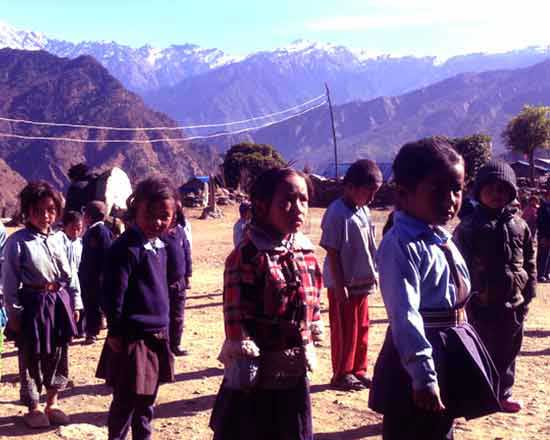
Volunteering in Nepal, lecturers were needed for the remote villages of Nepal. Volunteers through our Volunteering programs are crucial.

Only through education will it ever be able to rise above its historic economics and community. The only requirement is that you have an open heart and a desire to enhance the specific knowledge of young children.

For young children, learning English through verbalization has many advantages. Is anyone interested in volunteering in a rural school in our village to assist the local lecturers with their English classes in addition to other subjects?

Volunteers have the flexibility to gain experience living in rural villages and can learn about the daily lives of the community.

Adventure Sports
Guide 06

Adventure Sports

0 curated programs

View trips

The Adventure Sports Industry in Nepal

It is regarded to be one of the most straightforward journey destinations of all time in the world to take part in Adventure Sports in a country like Nepal. In the geographic Asian country of Nepal, a beautiful landscape awaits you. There is a wide range of altitudes and climates found here, resulting in a variety of vegetation and lifestyles. There are some of the highest mountains in the world, along with plenty of adventure activities.  Paragliding, bungee jumping, and several other mores like Trekking, climbing through icy peaks in the background, as well as going on a jungle safari are all a part of the journey activities.

BUNGY JUMPING – the best bungy jumping in the world is located in Bhote Koshi, which is 160 kilometers from Kathmandu.

High mountain expeditions
Guide 07

High mountain expeditions

6 curated programs

View trips

Expeditions to high mountains

Mountain expeditions in Nepal are among the most challenging adventure trips that can be undertaken. Mountaineering in Nepal includes Nepal Himalayan expeditions for mountaineers or adventure seekers. Eight of the world’s 14 peaks over 8000m are found in Nepal, including Mt. Everest (8848m), Mt. Kanchenjunga (8586m), Mt. Lhotse (8516m), Mt. Makalu (8463m), Mt. Cho Oyu (8201m), Mt. Dhaulagiri (8167m), Mt. Manaslu (8163m) & Mt. Annapurna (8091m).

Mountain expeditions in Nepal are among the most challenging adventure trips that can be undertaken. 1953, making Nepal a popular destination for expeditions in the Nepal Himalayas. We are members of the Nepal Mountaineering Association and affiliated with the Nepal Tourism Board to operate all Nepal Himalayan expeditions. Additionally, we provide trained, qualified, and experienced climbing guides to ensure the safety and success of your expedition. Since Nepal expeditions have been opened, we at Himalaya Journey Treks & Expeditions have arranged numerous expedition groups to the summit successfully with life-long memories!

Mountaineering and trekking are some of Nepal’s most exciting and adventure-filled activities. This activity was strongly influenced by various expeditions to Mount Everest for mountaineering and trekking. For all Nepal Himalaya expeditions, previous climbing/mountaineering experience, as well as high physical fitness, are essential. As well as the royalties and government-liable charges, Himalaya Journey Treks & Expedition Company offers excellent climbing services with highly regarded Sherpa Sirdars at very reasonable rates.

Sirdar, one of our climbing Sherpas, has already submitted high mountains in Nepal on several occasions. The autumn and spring seasons are the most suitable times for expeditions in Nepal. According to the mountaineers’ wishes and holiday schedules, Himalaya Journey Trekking and Expedition organizes the following mountain expeditions in Nepal either privately or in groups. These include family and friends as well as school and university groups, and Alpine clubs.

 1. Preparation and Training

  • Physical Conditioning: Climbers must be in excellent physical shape, with strong cardiovascular endurance, muscular strength, and stamina. Training typically includes long hikes with heavy packs, running, and strength training.
  • Technical Skills: Knowledge of climbing techniques, rope handling, crevasse rescue, and ice/snow travel is essential. Many climbers practice on lower peaks to hone these skills.
  • Mental Preparation: High-altitude climbing requires strong mental fortitude due to the isolation, physical stress, and potential for life-threatening situations.

2. Altitude and Acclimatization

  • Altitude Sickness: As climbers ascend, the air becomes thinner, reducing oxygen levels. This can lead to altitude sickness, with symptoms ranging from headaches and nausea to potentially fatal conditions like High-Altitude Pulmonary Edema (HAPE) or High-Altitude Cerebral Edema (HACE).
  • Acclimatization: To mitigate altitude sickness, climbers ascend gradually, spending days or weeks acclimatizing at various altitudes. Climbers typically follow the “climb high, sleep low” strategy, where they climb to higher altitudes during the day but descend to sleep at lower altitudes.

3. Logistics and Planning

  • Expedition Support: Most high mountain expeditions require logistical support, including guides, porters, and Sherpas, especially in the Himalayas. They help with carrying equipment, setting up camps, and guiding climbers through technical sections.
  • Permits and Regulations: Many high-altitude peaks require climbing permits, which can be expensive and involve strict regulations. For instance, climbing Mount Everest requires a permit from the Nepalese government.
  • Supplies and Equipment: Essential gear includes specialized clothing for extreme cold, climbing harnesses, ropes, ice axes, crampons, oxygen cylinders, and tents. Supplies must also include food, fuel, and medical kits.

4. Challenges of High-Altitude Climbing

  • Weather Conditions: High-altitude weather is unpredictable, with sudden changes that can bring blizzards, high winds, and extreme cold. Climbers must be prepared for all conditions and may spend days waiting for a weather window to summit.
  • Technical Difficulties: Climbing high mountains often involves navigating glaciers, icefalls, crevasses, and steep rock faces. Fixed ropes are sometimes used, and climbers must be skillful at using technical climbing gear.
  • Health Risks: Prolonged exposure to high altitudes can weaken the body, increasing the risk of frostbite, hypothermia, and exhaustion. Decision-making can also be impaired due to the lack of oxygen.

5. Summit Push

  • Timing: The summit push is typically the most exhausting  part of the expedition. Climbers often begin in the early hours before dawn to reach the summit and descend to safer altitudes before nightfall.
  • Oxygen Use: At extreme altitudes, supplemental oxygen is often necessary. Climbers carry oxygen cylinders and use masks to breathe, particularly above 7,000 meters.
  • Psychological Strain: The final ascent is mentally and physically taxing. Climbers face exhaustion, fear, and the pressure of making critical decisions under extreme conditions.

6. Descent and Recovery

  • Descent: After reaching the summit, climbers must safely descend, which can be more dangerous than the ascent due to fatigue and deteriorating conditions.
  • Reentry to Lower Altitudes: Returning to lower altitudes allows the body to recover from the stresses of high altitude. This process can take days, and climbers must still be cautious of their physical condition.
  • Post-Expedition Care: Recovery involves rest, nutrition, and medical attention if necessary. Some climbers may suffer from long-term effects like frostbite or altitude-related issues.

7. Environmental and Ethical Considerations

  • Leave No Trace: High mountain environments are fragile, and climbers are encouraged to minimize their impact by packing out all waste and respecting local ecosystems.
  • Cultural Respect: Many high-altitude regions are home to indigenous peoples with rich cultural traditions. Respecting local customs and contributing to local economies through responsible tourism is crucial.

8. Notable High Mountain Expeditions

  • Mount Everest (8,848m) Expeditions: The most famous high-altitude climb, with routes like the Southeast Ridge (from Nepal) and the North Ridge (from Tibet).
  • K2 (8,611m) Expeditions: Known as the “Savage Mountain,” K2 in Pakistan is one of the most challenging climbs due to its steep faces and treacherous weather.
  • Aconcagua (6,959m) Expeditions: The highest peak in South America, located in Argentina, is a popular but challenging climb.

9. Cultural and Historical Significance

  • High mountain expeditions are often tied to the cultural and historical heritage of the regions. For example, the Himalayas are considered sacred in many Asian cultures, and expeditions to peaks like Everest have a long history involving exploration, colonialism, and mountaineering legends.

High mountain expeditions demand respect for the environment, careful preparation, and an understanding of the physical and mental challenges involved. Despite the risks, the allure of standing atop some of the world’s highest peaks continues to draw adventurers from around the globe.