Understanding the Terrain and Challenges
The trek begins in the bustling town of Namche Bazaar, known as the gateway to Everest. From here, trekkers navigate rugged terrain, traversing through rhododendron forests and alpine meadows adorned with prayer flags fluttering in the mountain breeze. As altitude increases, so do the challenges; acclimatization becomes crucial to prevent altitude sickness, with gradual ascent being the key to success.
Cultural Encounters Along the Trail
En route to Nangpa La Pass, trekkers encounter Sherpa villages where traditional Buddhist practices thrive amidst modern influences. Monasteries such as Tengboche and Pangboche offer insights into local spirituality and serve as havens of peace amid the grandeur of the Himalayan peaks. Each village tells a story of resilience and harmony with nature, reflecting a way of life shaped by the mountains themselves.
Natural Splendor and Wildlife
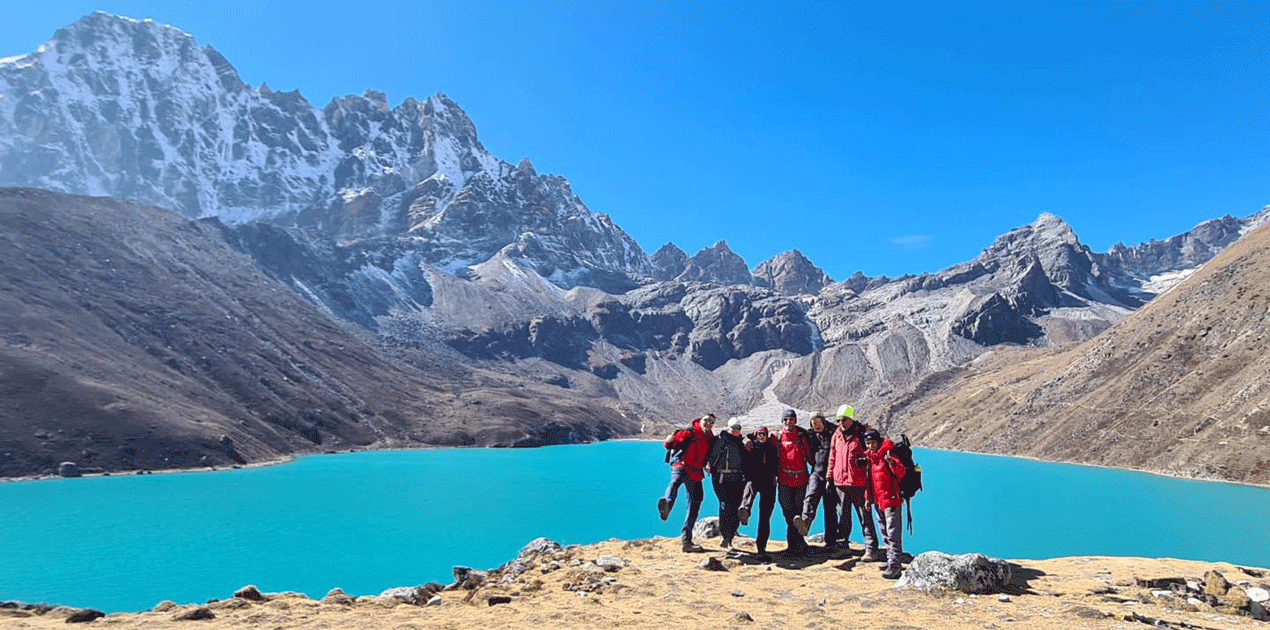
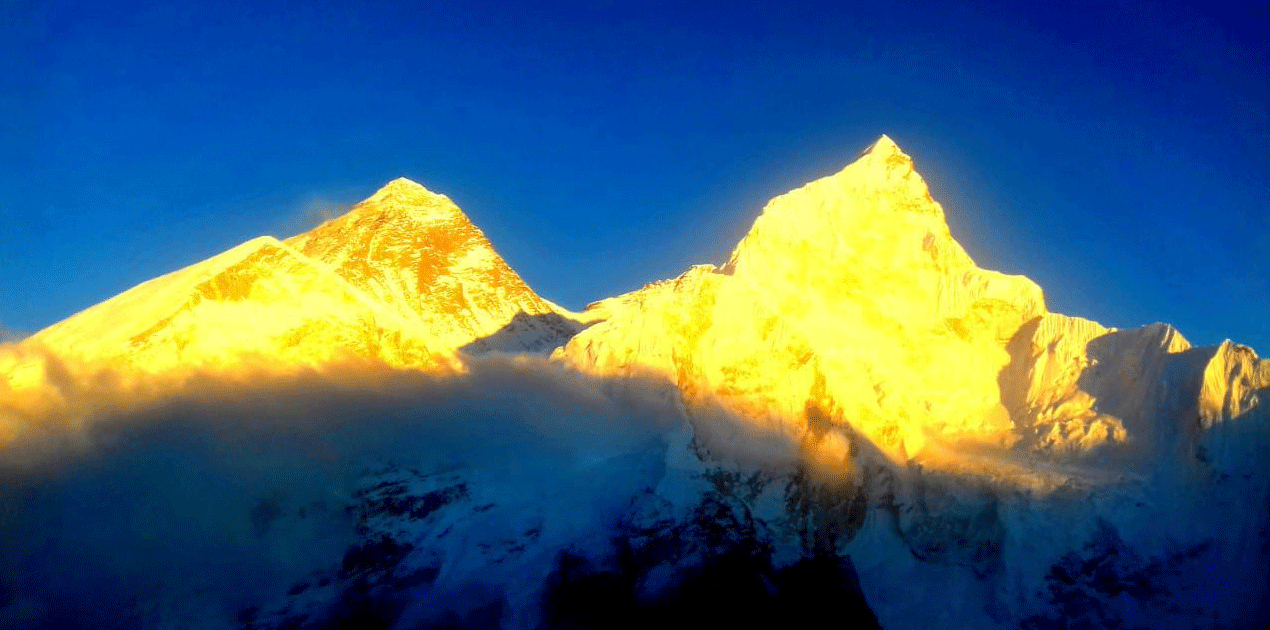
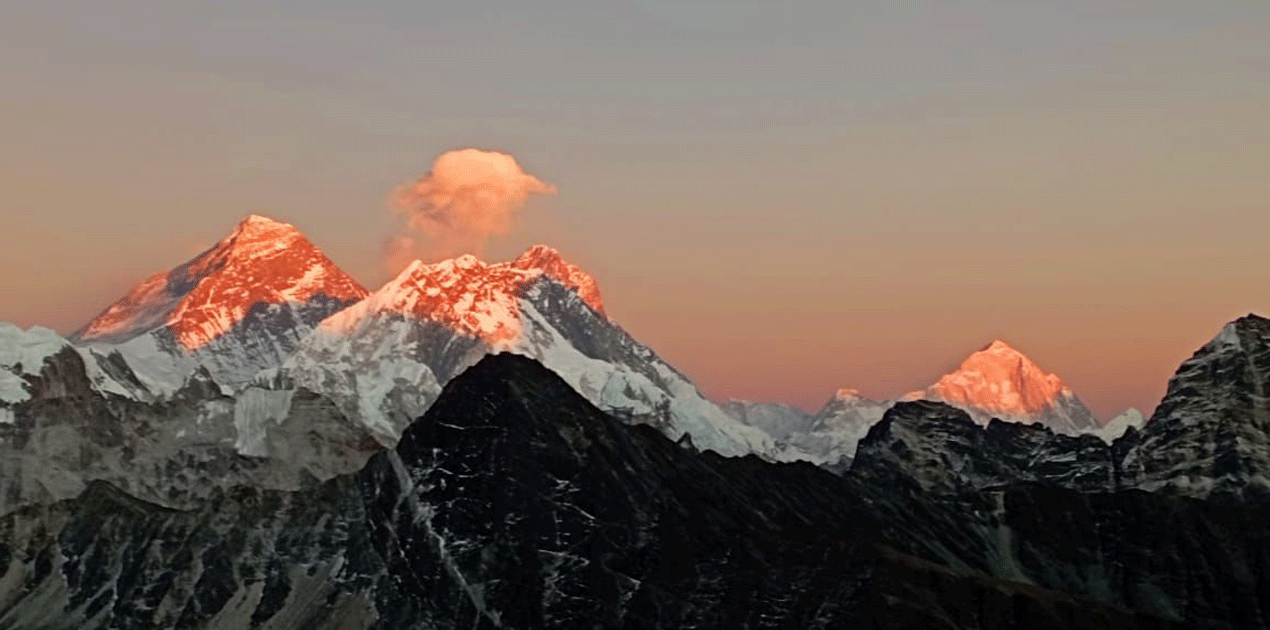
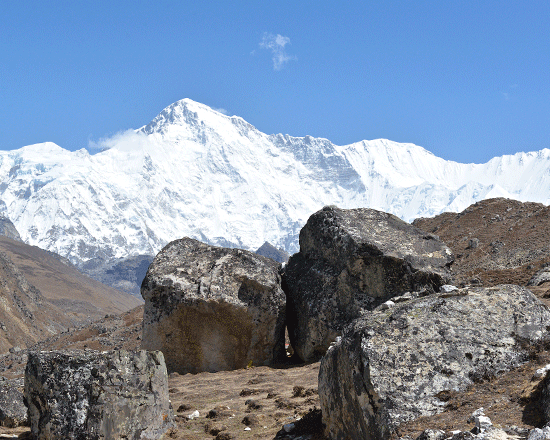
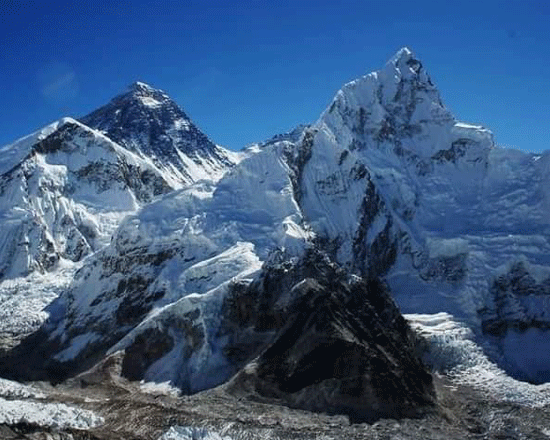
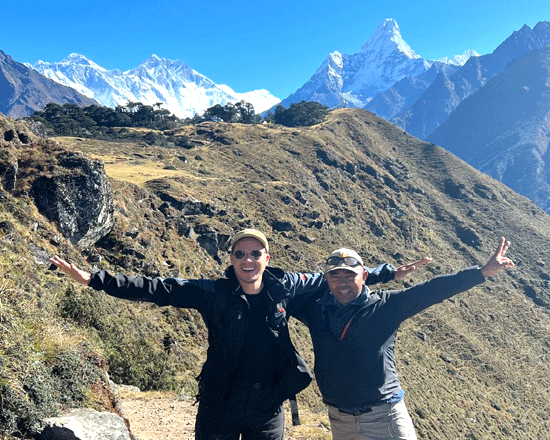
The Nangpala trek unfolds against a backdrop of unparalleled natural beauty. Towering peaks like Everest, Lhotse, and Cho Oyu dominate the skyline, their icy summits piercing the cerulean sky. Rare glimpses of Himalayan wildlife, including the elusive snow leopard and Himalayan monal, add an element of wonder to the journey, reminding trekkers of the delicate balance of life at high altitudes.
The Historical Significance of Nangpa La Pass
Historically, Nangpa La Pass has been a conduit for trade and cultural exchange between Nepal and Tibet. Traders and pilgrims once traversed its rocky paths, carrying salt, wool, and religious artifacts across borders. Today, remnants of this historical trade route serve as markers of a shared heritage, connecting present-day adventurers with centuries-old traditions.
Cultural Highlights: Monasteries and Traditions
Amidst the stark beauty of the Himalayas, monasteries like Thame and Dingboche offer trekkers a glimpse into Buddhist traditions that have endured for centuries. Prayer wheels spun by passing pilgrims send mantras into the wind, while colorful murals and intricate woodwork adorn monastery walls, telling tales of devotion and enlightenment.
The Trekking Experience:
Preparation and Logistics Preparing for the Nangpa La Pass trek requires careful planning and attention to detail. Trekkers must pack essentials such as sturdy hiking boots, warm layers, and high-altitude gear. Local guides and porters, often from Sherpa communities, provide invaluable support, sharing their knowledge of the terrain and ensuring a safe and enriching experience for all.
Environmental Conservation and Responsible Trekking
As tourism in the Himalayas grows, so does the need for responsible trekking practices. The fragile ecosystem includes waste management programs and sustainable tourism practices. Trekkers are encouraged to leave no trace, respecting the pristine wilderness that has captivated adventurers for generations.
Conclusion: Reflections on the Nangpa La Pass Trek
The Nangpa La Pass trek is more than a physical journey through breathtaking landscapes; it is a spiritual quest that challenges the mind and invigorates the soul. From the bustling markets of Namche Bazaar to the serene heights of the Himalayas, every step reveals a new facet of this majestic region. Whether drawn by the allure of towering peaks or the tranquility of ancient monasteries, trekkers find themselves forever changed by the experience of Nangpa La Pass.
Beyond the Pass
As trekkers descend from Nangpa La Pass, their hearts and minds are filled with memories of a journey that transcends the ordinary. The majesty of the Himalayas lingers in their thoughts, a reminder of nature’s enduring power and beauty. Whether planning their next adventure or reminiscing on moments shared with fellow travelers, the spirit of Nangpa La Pass lives on. Indeed, it stands as a testament to the indomitable human spirit and the allure of the world’s highest mountains. Moreover, it continues to inspire new generations of trekkers and adventurers. Additionally, the pass symbolizes the resilience and determination required to conquer such formidable terrains. Ultimately, Nangpa La Pass embodies the enduring connection between humanity and nature’s most awe-inspiring landscapes.
Best Time to Visit Nangpa La Pass Trek
The best seasons for the Nangpa La Pass Trek are:
Spring (March to May) – Best Overall
Advantages
- Stable weather and clear mountain views
- Warmer daytime temperatures
- Blooming rhododendron forests at lower elevations
- Excellent views of Cho Oyu, Pumori, and surrounding Himalayan peaks
- Longer daylight hours
Temperatures
- Lower Khumbu: 10°C to 20°C
- High camps near Nangpa La: -10°C to 5°C
Autumn (September to November) – Most Popular
Advantages
- Crystal-clear mountain views after the monsoon
- Dry trails and stable conditions
- Comfortable trekking temperatures
- Best photography opportunities
Temperatures
- Lower elevations: 8°C to 18°C
- Near the pass: -15°C to 5°C
October and early November are often considered the finest months for the trek.
Winter (December to February) – For Experienced Trekkers
- Heavy snow can block the pass
- Extremely cold temperatures
- Strong winds at high elevations
- Some lodges may have limited services
Only recommended for experienced high-altitude trekkers with proper winter equipment.
Monsoon (June to August)
- Frequent rain below 4,000 m
- Poor visibility
- Slippery trails
- Flight disruptions to Lukla
- Cloud-covered mountain views
Nangpa La Pass Trek Highlights:
Stunning Views:
Experience breathtaking panoramas of the world’s highest peaks, including Mount Everest, Lhotse, Makalu, and Cho Oyu. Witness majestic sunrises and sunsets against this awe-inspiring backdrop.
Cultural Immersion:
Traverse traditional Sherpa villages, interact with locals, and explore ancient monasteries, gaining deep insights into Sherpa traditions and culture.
Nangpa La Pass Crossing:
The trek’s pinnacle is conquering the challenging Nangpa La Pass Trek through snow-covered landscapes to reach the summit adorned with prayer flags, offering unmatched panoramic vistas.
Diverse Landscapes:
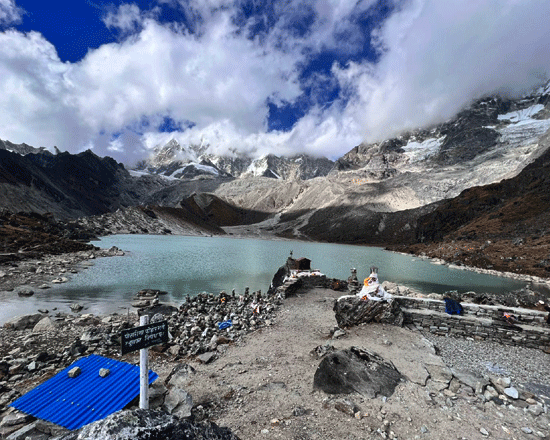
Journey through rhododendron forests, terraced fields, high-altitude deserts, and glacial moraines, each day revealing new visual delights.
Everest Base Camp Option:
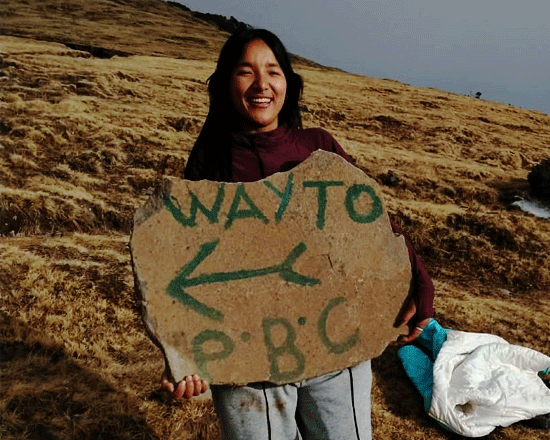
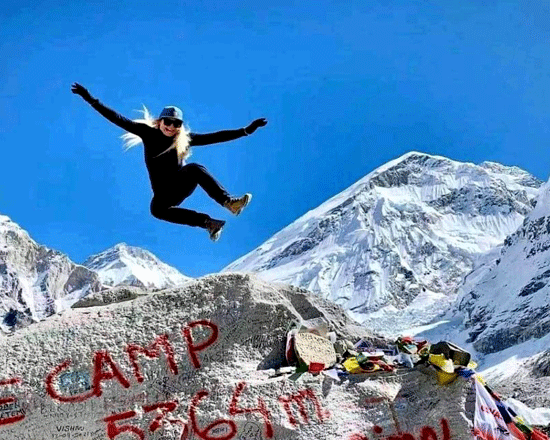
Extend your adventure to Everest Base Camp, marveling at the iconic Khumbu Icefall and completing a comprehensive mountain experience.
Nangpa La Pass Trek Difficulty
The Nangpa La Pass Trek is considered a challenging to strenuous high-altitude trek and is suitable for experienced trekkers with good fitness and some prior trekking experience above 4,000–5,000 meters.
The main challenge is the elevation. Nangpa La lies at approximately 5,716 m (18,753 ft) near the Nepal–Tibet border.
- Oxygen levels are about half of those at sea level.
- Trekking becomes much more physically demanding.
- There is a risk of altitude sickness.
Long Trekking Days
- 5–8 hours of walking on most days.
- Several steep ascents and descents.
- Consecutive days of trekking with limited recovery time.
Remote Environment
- Limited facilities compared with the Everest Base Camp route.
- Fewer trekkers and less infrastructure.
- Rapid weather changes.
Mountain Weather
- Strong winds near the pass.
- Snowfall even during trekking seasons.
- Freezing temperatures at higher elevations.
How to Prepare for Nangpa La Pass Trek?
Nangpa La Pass (around 5,700–5,800 m / 18,700–19,000 ft) is a demanding high-altitude trek in the Everest region near the Nepal–Tibet border. Training should focus on endurance, leg strength, pack carrying, and altitude preparation.
Training Timeline
- 12–16 weeks before the trek: Build aerobic fitness and general strength.
- 8–12 weeks before: Increase hiking duration and elevation gain.
- 4–8 weeks before: Add back-to-back long hikes and pack training.
- Final 2 weeks: Reduce training volume, focus on recovery and mobility.
Cardiovascular Training
- Hiking on hills or stairs
- Trail running or jogging
- Cycling
- Swimming or rowing (for low-impact endurance).
Strength Training
Train 2–3 times per week, focusing on the lower body and core, such as squats, Lunges, Step-ups (using a bench or stairs), Calf raises, planks, and side planks.
How to prepare for the High Altitude?
- Take shorter hikes at higher elevations if available.
- Spend time at altitude before the trek.
- Arrive in Nepal several days early and acclimatize gradually.
- Consider a staged approach through the Khumbu region rather than rushing directly toward Nangpa La Pass.
Practice Trekking Skills
- Use the boots you plan to wear on the trek.
- Practice walking with trekking poles.
- Train on uneven terrain, loose gravel, and steep descents when possible.
- Learn pacing—slow, steady movement is crucial at altitude.
Nutrition and Recovery
- Eat enough carbohydrates to support endurance training.
- Include adequate protein for muscle recovery.
- Stay well hydrated.
- Sleep 7–9 hours per night.
- Take at least one full rest day each week.
Essential Gear Packing
Pack layered clothing for variable weather, sturdy trekking boots, a reliable backpack, a cold-rated sleeping bag, and necessary equipment. Refer to trekking agencies for a detailed packing list.
Respect Local Customs
When photographing locals, kindly request their permission beforehand. Moreover, observe proper etiquette in monasteries and villages, and uphold Sherpa traditions. Additionally, remember to dress modestly and remove your shoes before entering any sacred spaces. Furthermore, avoid touching religious artifacts and always show respect to local customs. By doing so, you will not only capture beautiful memories but also foster positive interactions with the community.
Nepal has several trekking passes that are popular among trekkers and mountaineers. Some of the well-known trekking passes are listed below.
Thorong La Pass: Located on the Annapurna Circuit, 5,416 meters.
Three Passes Trek: Everest region, connecting Gokyo Valley with Everest Base Camp, at an elevation of 5,420 meters.
Renjo La Pass: Also in the Everest region, linking Thame with Gokyo Valley, at an altitude of 5,340 meters (17,520 feet).
Kongma La Pass: Among the Three Passes Trek, the Kongma La Pass is the most challenging in the Everest region, connecting Chukhung Valley with Lobuche, at an elevation of 5,535 meters (18,159 feet).
Ganja La Pass: Located in the Langtang region, between Langtang Valley and Helambu, at an elevation of 5,106 meters.
Pangsang La Pass: The Ganesh Himal region connects with the Manaslu Circuit, Langtang National Park, at an altitude of 3800 meters.