Monsoon trekking in Nepal is a unique and rewarding experience, often overlooked by trekkers who prefer the drier spring and autumn months. From June to August, Nepal transforms into a lush paradise, with dramatic skies, cascading waterfalls, and landscapes bursting with greenery. While the monsoon brings rain and some challenges, it also opens up a new dimension of trekking—fewer crowds, richer cultural encounters, and unforgettable natural beauty.
For adventurers who embrace solitude and nature’s raw power, a monsoon trek in Nepal offers some of the most memorable journeys in the Himalayas.
Why Choose a Monsoon Trek in Nepal?
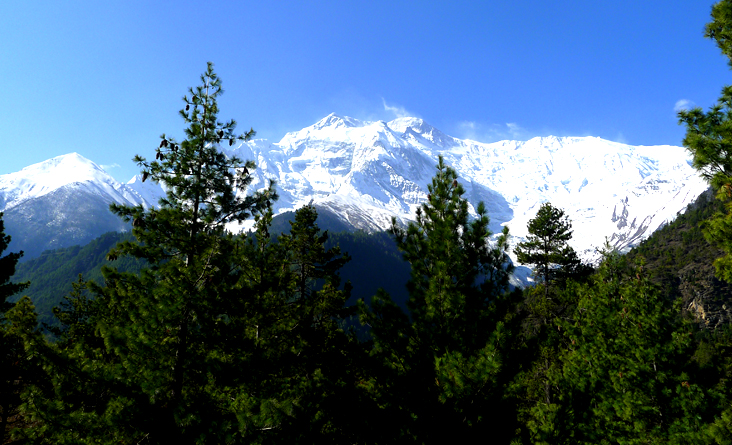
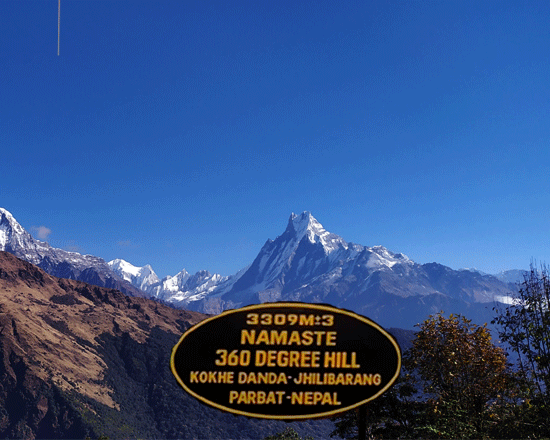
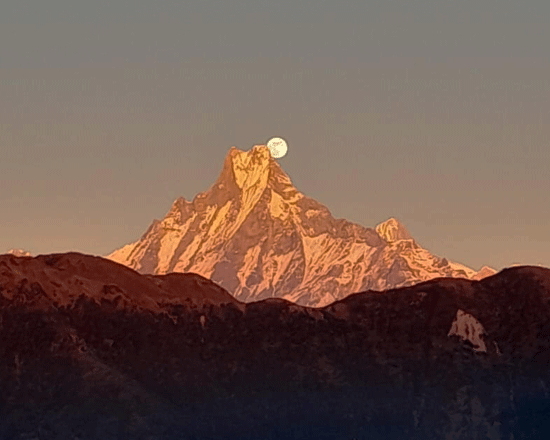
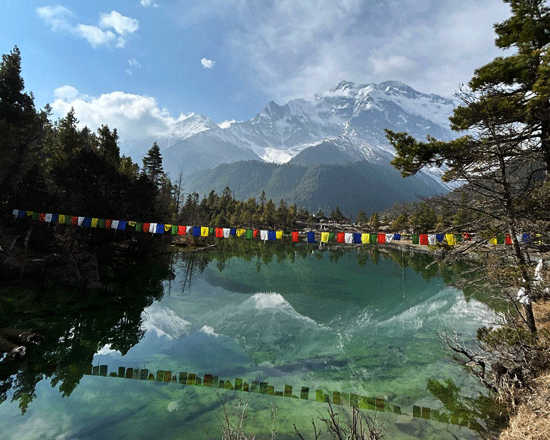
During the monsoon, Nepal reveals its untamed charm. The countryside turns into a vibrant mosaic of rice fields, wildflowers, and dense forests. Misty mornings give way to dramatic cloud formations, and sudden clearings reveal snow-capped peaks in all their glory.
Key reasons to consider a monsoon trek include:
- Peaceful trails – With fewer trekkers, you can enjoy the Himalayas in solitude.
- Flourishing nature – Waterfalls, rivers, and forests are at their most vibrant.
- Cultural immersion – Villages are alive with farming activities and festivals.
- Accessible high passes – Snow melts during the monsoon, making routes like Thorong La easier to cross.
Yes, there are challenges such as slippery trails and leeches at lower elevations, but the rewards make the effort worthwhile.
Annapurna Circuit – The Classic Monsoon Trek
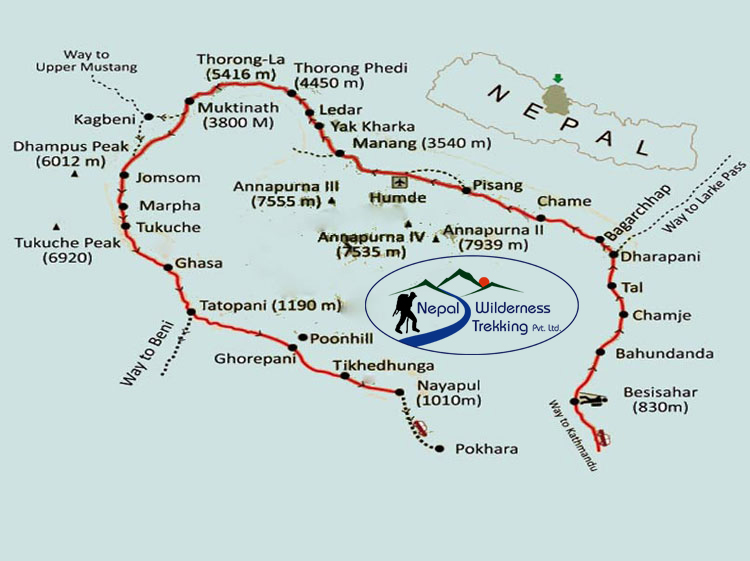
The Annapurna Circuit (AC) is considered one of the best monsoon treks in Nepal. While many treks in Nepal get heavy rainfall during June–August, much of the Annapurna Circuit lies in the rain-shadow region north of the Himalayas. This means parts of Manang and Mustang receive far less rain, making them ideal for monsoon trekking.
Weather on the Annapurna Circuit in Monsoon
- Lower sections (Besisahar to Chame, 800–2,700 m): These areas receive heavier rain. Trails can be muddy, with lush greenery and cascading waterfalls. Leeches may be present in forests, but the beauty of rice terraces and forests outweighs the discomfort.
- Manang region (3,500–4,000 m): Drier climate due to the rain-shadow effect. Days are cool and clear, with occasional clouds framing the peaks.
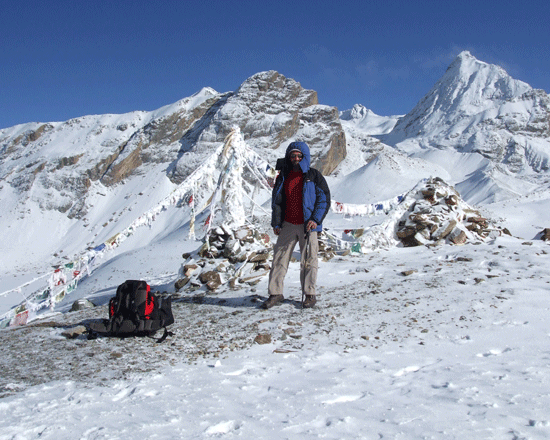
- Thorong La Pass (5,416 m): Snow is usually less compared to spring, making the crossing easier, though the weather can still be unpredictable.
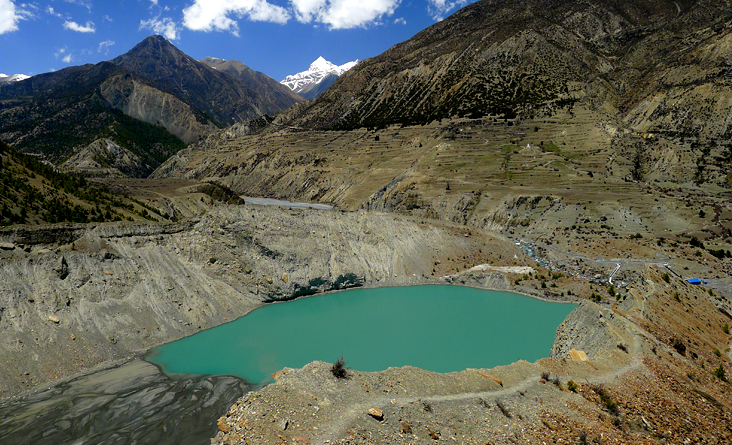
- Mustang and Jomsom (2,700–3,000 m): Arid landscapes, dramatic cliffs, and almost no rainfall. Perfect trekking conditions during the monsoon.
The contrast between the lush green lower valleys and the dry highlands makes the Annapurna Circuit in the monsoon one of the most visually dramatic treks in Nepal.
People and Cultures Along the Annapurna Circuit
One of the highlights of a monsoon trek on the Annapurna Circuit is the chance to engage deeply with the diverse cultures of the region. With fewer trekkers around, locals have more time to share their traditions, stories, and hospitality.
- Gurung Communities (Lower Annapurna, Lamjung & Ghandruk area): Known for their bravery as Gurkha soldiers and warm hospitality, Gurungs practice a mix of Hinduism and Buddhism. Their villages are surrounded by rice fields and terraced farmlands that thrive during the monsoon.
- Tamang and Chhetri Settlements (Mid-hills): These groups add to the cultural tapestry of the trek, with Hindu rituals and colorful festivals such as Janai Purnima, often celebrated during the monsoon.
- Manang People (Upper Marsyangdi Valley): Ethnically Tibetan, the people of Manang live in a dry, high-altitude environment. They are skilled traders and yak herders. Their monasteries, prayer walls, and festivals give trekkers a glimpse into Tibetan Buddhism.
- Thakali Culture (Kali Gandaki Valley, Jomsom & Marpha): Famous for their apple orchards and delicious cuisine (especially Thakali Thali), the Thakali are central to the cultural identity of the Mustang and Jomsom region.
- Muktinath Pilgrimage (3,800 m): A sacred site for both Hindus and Buddhists, Muktinath becomes even more atmospheric in the monsoon. Pilgrims from Nepal and India journey here, adding spiritual depth to your trekking experience.
During a monsoon trek in Nepal, these cultural encounters become more personal and meaningful due to the quieter season.
Villages and Highlights on a Monsoon Annapurna Circuit Trek
- Chame (2,670 m): Entry point to the higher valleys, surrounded by pine forests, waterfalls, and hot springs. The monsoon rain feeds the Marsyangdi River, making it thunder through the valley.
- Pisang (3,200 m): Divided into Upper and Lower Pisang, this village offers views of Annapurna II and traditional Tibetan-style houses. Mist often drifts across the valley in the monsoon, creating a mystical atmosphere.
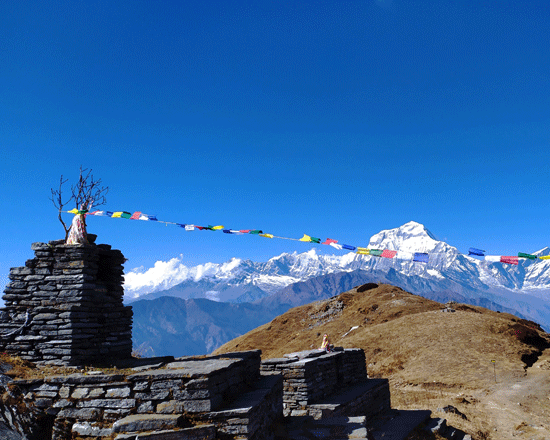
- Manang (3,540 m): The cultural and acclimatization hub. Surrounded by monasteries, prayer flags, and yak pastures, Manang feels more authentic in the monsoon, when fewer trekkers pass through.
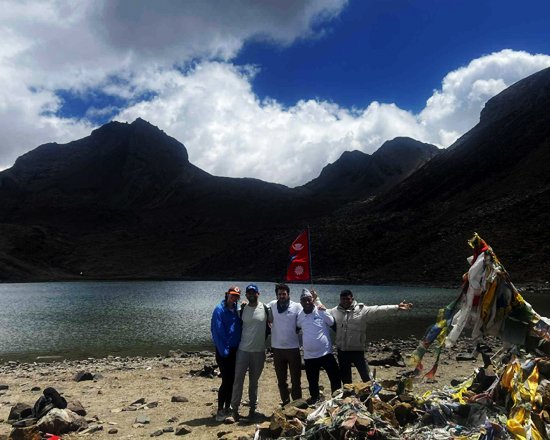
- Thorong La Pass (5,416 m): The high point of the trek. In the monsoon, the snow melts earlier, making it less icy and more navigable. Views can be breathtaking when the clouds part.
- Muktinath (3,800 m): Spiritual center for both Hindus and Buddhists, with its eternal flame and 108 water spouts. During monsoon festivals, the temple is lively with pilgrims.
- Jomsom & Marpha (2,700–2,800 m): Known for strong afternoon winds and apple orchards. Marpha, with its stone-paved streets and whitewashed houses, is one of the prettiest villages in the region.
This journey of contrast—from green valleys to high alpine passes to arid deserts—makes the Annapurna Circuit the best monsoon trek in Nepal.
Flora and Fauna During Monsoon
The monsoon season transforms the Annapurna region into a natural paradise:
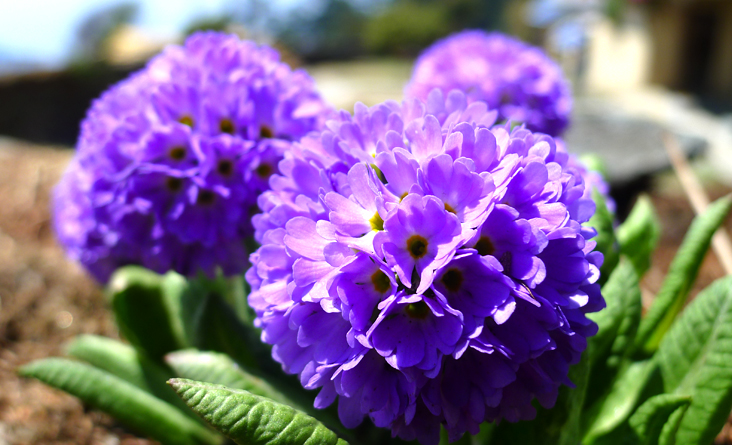
- Wildflowers such as primulas, lilies, and rhododendrons bloom in full color.
- Forests are home to a variety of animals, including monkeys, pheasants, and numerous bird species.
- Rivers and waterfalls swell dramatically, creating powerful spectacles.
For photographers and nature enthusiasts, the monsoon season is the most rewarding time for a trek in Nepal.
Teahouse Hospitality in Monsoon
Fewer trekkers mean quieter lodges and teahouses. This gives travelers the chance to:
- Enjoy warm, personalized service.
- Share longer conversations with hosts.
- Experience authentic Nepali and Tibetan cuisine like dal bhat, yak butter tea, and Thakali thali.
Evenings are often spent around the hearth, sharing stories with locals—a highlight of trekking in the rainy season.
Tips for a Successful Monsoon Trek
To fully enjoy your monsoon trek, proper preparation is essential:
- Pack waterproof gear (jackets, pants, backpack cover, boots).
- Use quick-dry clothing to stay comfortable.
- Carry trekking poles for balance on muddy trails.
- Protect against leeches in lower regions with repellent and salt.
- Start trekking early in the morning when the rainfall is lighter.
- Keep flexible itineraries to accommodate weather changes.
With preparation, the challenges of monsoon trekking become part of the adventure.
Responsible Monsoon Trekking
At Nepal Wilderness Trekking, we emphasize sustainable travel:
- Carry out all waste and use refillable water bottles.
- Support local guides and porters.
- Respect cultural practices in villages.
By trekking responsibly, you contribute to preserving Nepal’s environment and traditions while enjoying the best monsoon treks in Nepal.
Final Reflections: The Magic of Monsoon Treks
Trekking the Annapurna Circuit during the monsoon is an experience like no other. The landscapes shift from green valleys to arid deserts, the villages welcome you warmly, and the mountains reveal their beauty in fleeting, magical moments between rain clouds.
It is a season of contrasts, wet yet vibrant, challenging yet rewarding. For those seeking solitude, cultural depth, and untamed natural beauty, a monsoon trek in Nepal is the ultimate adventure.
Begin Your Monsoon Trek with Nepal Wilderness Trekking
At Nepal Wilderness Trekking, we specialize in guiding travelers through Nepal’s hidden gems and off-season adventures. Our experienced local guides ensure safety, comfort, and authentic cultural experiences along the way.
Let us take you on an unforgettable monsoon trek in Nepal, whether on the Annapurna Circuit, Upper Mustang, or Dolpo.
Discover the best monsoon treks in Nepal, where the Himalayas come alive in the rain.