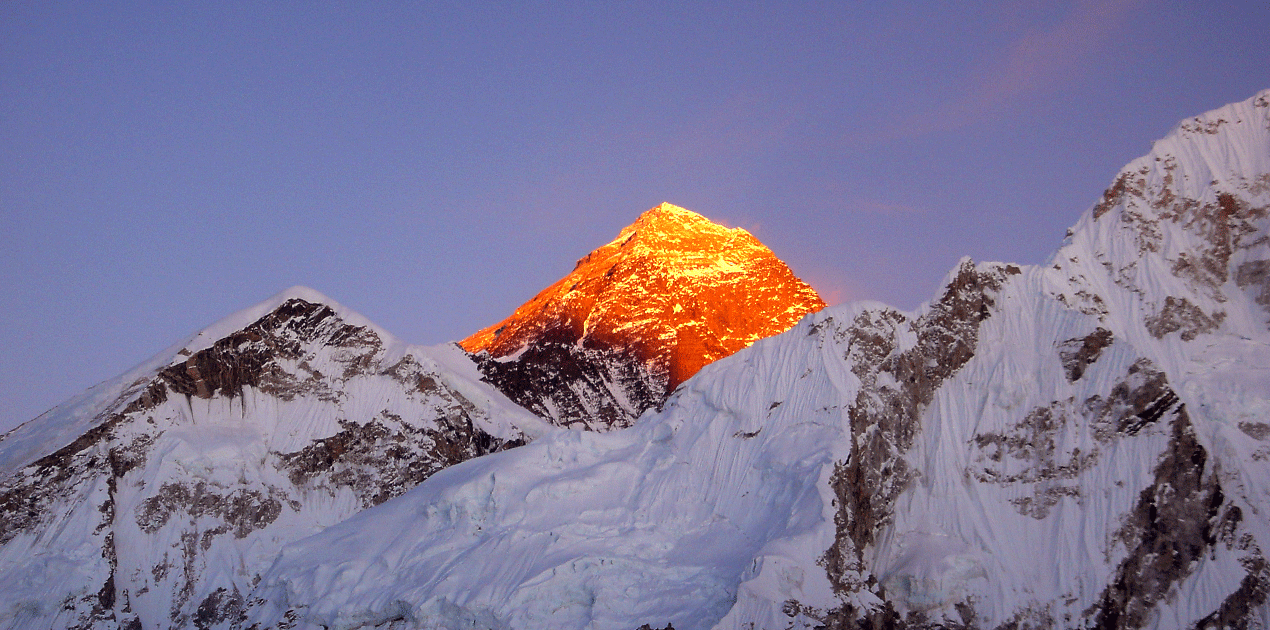
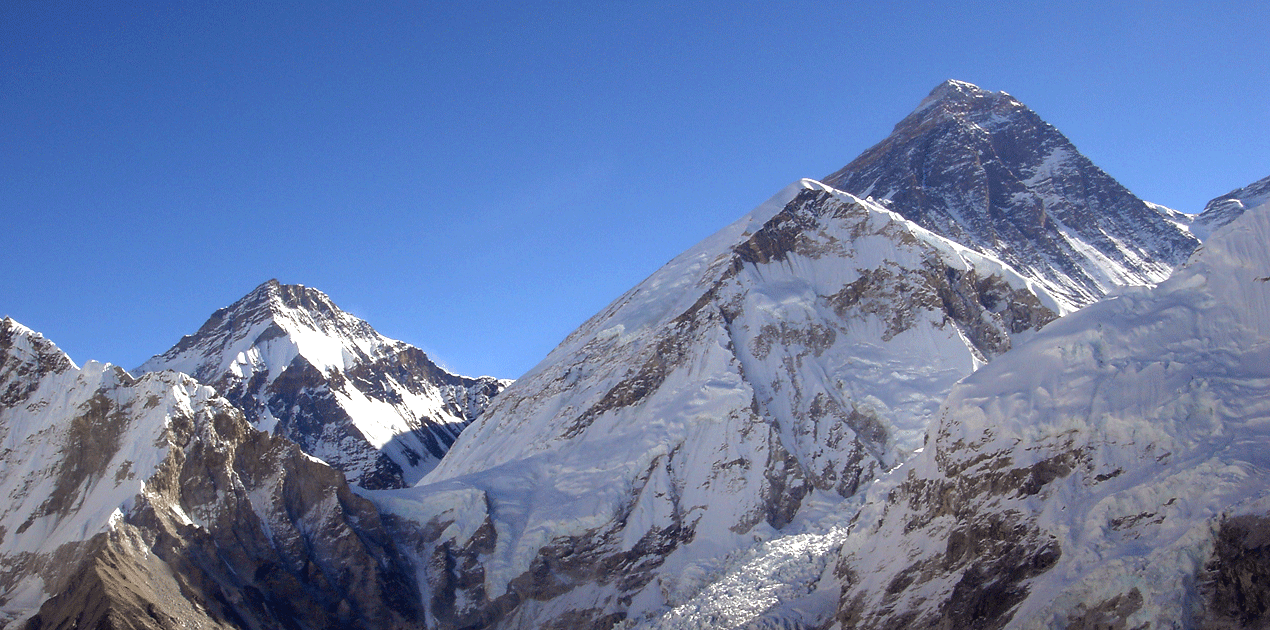
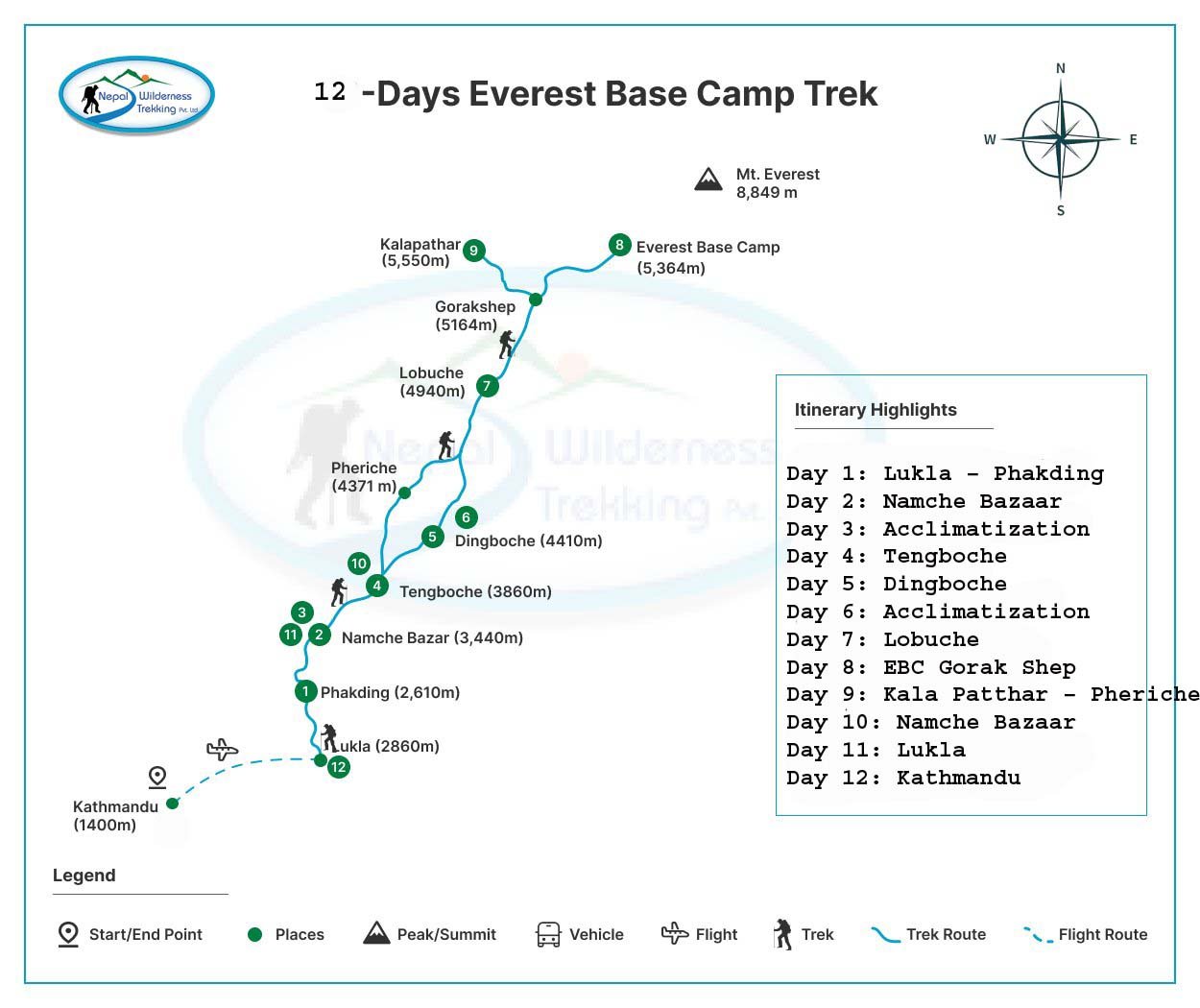
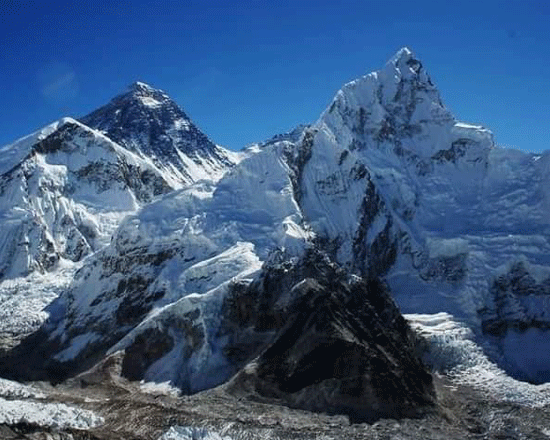
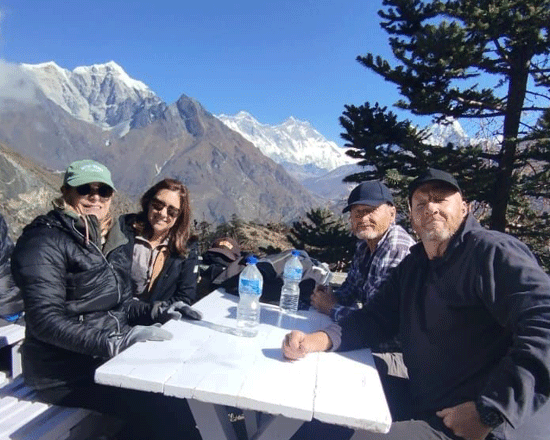
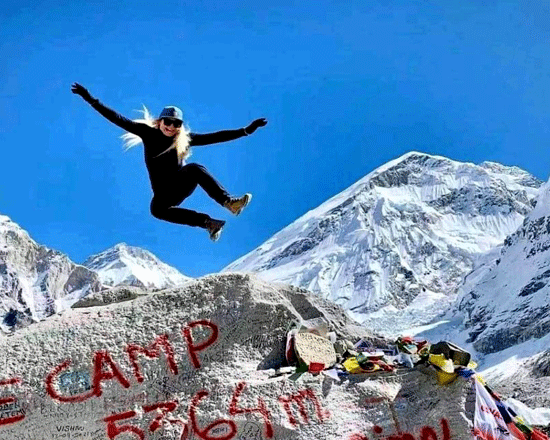
Everest Base Camp Trek 12-day Package Itinerary: Hiking to Everest Base Camp: The 12-day Everest Base Camp trek is an iconic trekking adventure in the world. It offers the once-in-a-lifetime experience of being up close to the world’s tallest mountain, Mount Everest (8,848.86 m). Located in the Khumbu Valley of Nepal, this journey offers trekkers breathtaking views of Everest, vibrant Sherpa culture, and the chance to explore the pristine Himalayan landscape. If you’re an adventurer seeking an unforgettable experience amid the mesmerizing Himalayan landscape, now is the perfect time to plan your trip.
The Everest region, known as the Khumbu Valley, has been inhabited by the Sherpa community for centuries. The area gained global recognition after Sir Edmund Hillary and Tenzing Norgay Sherpa first summited Mount Everest in 1953. Today, the trek offers an immersive experience of Sherpa culture, showcasing their hospitality, resilience, and deep-rooted Buddhist traditions.
Begin an Unparalleled 12-Day Everest Trek
The Great Trail journey to Everest begins from Kathmandu with an early morning drive to the airport for the scenic flight to Lukla. The flight to Lukla takes around 35 minutes from Kathmandu the very beginning of the peak season and the end of the season. However, in the peak season, the flight takes off from Ramechhap to Lukla and back to Kathmandu. The flight from Ramechhap to Lukla is about 20 minutes. Upon landing in Lukla, you will be welcomed by the people from the valley. The impressive landing, cold temperature, and fresh air are great gestures from the Himalayan Sherpa people.
Then the real adventure journey to Everest begins with the great and energetic feeling and environment. Travelers will be thrilled by the culture, religion, and lifestyle of the Sherpa. On the way to Phakding, travelers will encounter Buddhist flags, Prayer wheels, stupas, chortens, Gumba. While moving through these religious places, trekkers should always make a kora(round) clockwise, bypassing the route. The reason for this is to respect the culture of the people from the region and to follow the religious factors.
We meticulously crafted our 12-day Base Camp trek itinerary to ensure a comfortable high-altitude experience and enable proper acclimatization during the Everest Base Camp trek.
Explore Sherpa Villages and Majestic Peaks on the Everest Trek
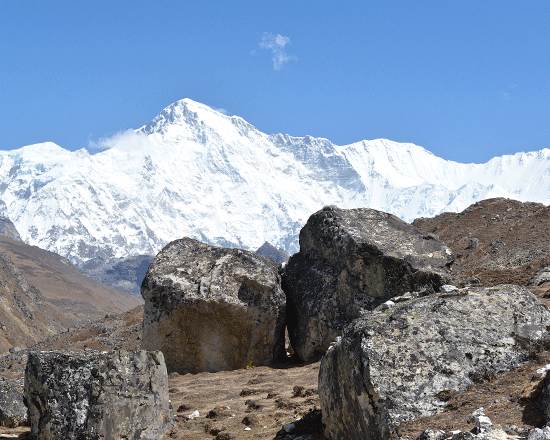
Explore the renowned Sherpa villages of Lukla, Namche, Tengboche, Dingboche, and Lobuche, all nestled within the Sagarmatha National Park, a UNESCO Natural World Heritage Site. Discover some of the world’s most beautiful mountain locations. Adventure enthusiasts hail the journey to Everest Base Camp as one of the most revered destinations on Earth. The vibrant culture and traditions of the warm-hearted Sherpa people influence the trek. Surrounded by the majestic peaks of Everest, Lhotse, Nuptse, Thamserku, and Amadablam, you’ll find yourself in the magical valley of the Khumbu region. The history of the Sherpa Valley and its people will make your trek more interesting. Moreover, the culture, religion, and festivals preserved and celebrated by Sherpas will thrill your journey.
The Sherpa Museum in Namche
Sir Edmund Hillary and Tenzing Norgay Sherpa made history, and their achievement is deeply ingrained in most of the Sherpa Valley. The Sherpa museum captures the legacy of the Sherpa, including the world-renowned feats of many Sherpa, international climbers, and inspiring travelers. The museum showcases its equipment and gear and displays its climbing documents in the halls. Moreover, the museum is the center of knowledge about the Sherpa people from the beginning of their journey in mountaineering to their ladder of success and great achievements. The Sherpa people’s home museum itself records the ground life of the Sherpa people in earlier times. This house covers what the Sherpa house looks like, what the household chores are, and how the animals in the cold region are taken care of.
One fascinating aspect of the museum’s history is Sonam Sherpa’s dedication to preserving the legacy of the Khumbu region through the Sherpa Museum. A passionate Himalayan photographer, Sonam Sherpa, has earned wide appreciation across the Khumbu Valley. Many of the peak photographs with names and elevations that are displayed on the walls of hotels and lodges throughout the region are the work of Sonam Sherpa.
Experience the Warm Hospitality
Everest trek, a life-changing journey, offers an opportunity to explore the local lifestyle and welcoming hospitality. The 12-day Everest trek program also takes you to the magnificent Everest viewpoint of Kalapathar (5545m), where you’ll witness panoramic views of the mighty mountains and experience a stunning sunrise.
The guided 12-day trip includes all necessary accommodations, trekking permits, experienced and friendly guides, round-trip flight tickets, tea houses, and full-board meals throughout the trek.
Join this adventure, escorted by one of the best and most experienced Sherpa guides, to gain insight into a fascinating culture, the Himalayan mountains, and the untamed wilderness.
For travelers looking for even more adventures in the mountains, our Everest Cho La Pass Trek and Everest High Pass Trek are excellent options. Additionally, we offer exciting opportunities for the short trek to Everest, the Langtang Valley Trek, and the Annapurna Base Camp Trek.
Best Time for the Everest Base Camp Trek
When setting out on a journey, the weather is undoubtedly a primary concern. Selecting the optimal time to travel ensures a worthwhile and delightful holiday experience. The best times for the Everest trek are Autumn (Sep-Nov) and Spring (March-May). These seasons offer unparalleled views of the glistening Himalayas and their stunning landscape, providing trekkers with an enhanced trekking experience. The temperature during these periods is moderate, striking a balance between hot and cold.
When trekking in the Everest region, travelers should prioritize including spare days in their itinerary. These buffer days are essential for safety, especially for international flights, as unpredictable weather often disrupts flights between Ramechhap and Lukla. If delays occur, trekkers can use these spare days to avoid the stress of rescheduling or missing international departures. Since the weather in the high Himalayas changes rapidly, trekkers must also carry proper gear and equipment to stay prepared for any conditions.
Accommodations During the Trek
While staying in Kathmandu, you can choose the best stay, a comfortable room, and great service. However, accommodations during the trek are more basic, providing a room with pillows, warm blankets, and a bed for the 12-day journey. Single travelers are also catered to with single bedrooms available. A dedicated service and fresh meals are served throughout the trek.
Meals on the Trek
Tea houses line the Everest Base Camp trek route, each offering menus with a variety of local cuisines and Western meals. Trekkers can choose meals to suit their preferences, but opting for greenery meals is advisable, as mountain-sourced meat may not be suitable. A range of drinks, including spring water with water purification tablets or liquid purification, can be used to save the environment from excessive plastic in the high Himalayas. If the spring water is not suitable, the option for mineral water is available. Eco-conscious travelers can carry water purification tablets from Kathmandu to purify tap water and minimize plastic waste.
Safety and Satisfaction
We prioritize the safety and well-being of our clients and employees above all else. Our 12-day Everest Base Camp Itinerary features highly experienced and knowledgeable English-speaking local guides who accompany the group throughout the journey. These guides have received extensive training from the government of Nepal and are fully insured. They carry essential equipment and a first aid kit to ensure safety.
Preparations of Medical Kits and Travel Insurance
We recommend travelers carry a medical kit. In case of a medical emergency, such as mountain sickness, we can arrange a rescue to ensure your safety. Reliable travel insurance covering medical evacuation and rescue services up to 6,000 m is essential.
During the 12-day Everest trek, stay alert and avoid danger zones when passing mules, yaks, and donkeys on the trail. Pay extra attention in narrow sections to ensure safety.
Passport and Visa
Travelers can obtain an on-arrival visa at Tribhuvan International Airport, Kathmandu, Nepal. The visa fee for a three-month tourist visa is 40 USD, payable at the airport. To be eligible, your passport must be valid for at least six months from the arrival date. However, travelers from India and China are exempt from this fee, as Nepal grants a free visa to citizens of these two countries.
Travel Insurance
For safety reasons, trekkers participating in the Everest base camp trek or any other mountaineering trek and tour programs must have travel insurance. We highly recommend comprehensive travel insurance for your Everest Base Camp trek, which covers emergency rescue and medical evacuation expenses. This coverage provides assurance and peace of mind, protecting you against personal injury, illness, repatriation expenses, and unforeseen circumstances during the journey. With good travel insurance, you can fully enjoy your trip without worries, knowing you are well-supported in any eventuality.
Everest Base Camp Trek Cost
The Everest trek cost depends on various factors like group size, travel style, and inclusions. For a solo traveler, the trip cost is USD 1400, whereas for two people joining together for the same trek on the same date cost is USD 1300. Moreover, the bigger the group size, the heavier the discount for the Everest trek. Any traveler planning a budget-friendly trek can join the group and create memories.
The Everest package and itinerary are very transparent and flexible. Personal miscellaneous costs incurred during the trek, which are not covered by the package, include:
Snacks/Drinks: $5–$10 per day (tea, coffee, energy bars).
Charging/Electricity: NPR 500-1500 ($4–$12) per device.
Wi-Fi (limited availability): NPR 500-1000 ($4–$8) per day.
Hot shower: NPR 500-1000($4-$8).
Physical Preparation
- Train in Advance: Build up your cardiovascular fitness by hiking, running, or cycling to build stamina, endurance, and strength before the trek.
- Gradual Exposure to Altitude: Try spending time at moderate altitudes before the trek.
Proper Gear
Invest in high-quality trekking equipment and gear, including waterproof clothing, sturdy boots, and a comfortable daypack.
Acclimatization
- Recognize Symptoms of Acute Mountain Sickness (AMS): Symptoms include headaches, nausea, dizziness, and fatigue. If symptoms worsen, descend immediately.
- Use Medications if Necessary: Medications like acetazolamide (Diamox), but consult your doctor before using them.
- Follow the “Climb High, Sleep Low” Principle: Gain altitude during the day, but sleep at a lower elevation.
- Plan for Acclimatization Days: Include rest days where you stay at the same altitude for 2-3 days, usually in Namche Bazaar and Dingboche.
- Go Slow: Walk at a steady, slow pace to avoid overexertion.
- Rest Well: Ensure you get adequate sleep each night to help your body recover.
Insurance
Ensure you have comprehensive travel insurance that covers high-altitude trekking and emergency evacuations.
Packing Tips
- Dry Bags or Ziplock Bags: To keep your gear organized and dry.
- Compression Sacks: To save space in your backpack.
- Duct Tape: For quick repairs.
Respect Local Culture
Learn about the local customs and traditions to respect the culture of the communities you visit. By following these tips and opting for a comfort-focused itinerary. Trekkers can ensure that the journey is enjoyable and memorable, with comfort offering you the adventure of a lifetime with added convenience and luxury on the Everest Base Camp trek.
Note
Any trekker having more holidays can start trekking with Pikey Peak before heading toward the traditional Everest Base Camp route. This diversion can be added early in the itinerary, beginning from Dhap or Jiri, and trekking through Sherpa villages, monasteries, and rhododendron forests to Pikey Peak. After enjoying its majestic vistas, reconnect with the Everest Base Camp trail. For those looking for an alternative to the Everest region with fewer crowds but equally dramatic Himalayan scenery, the Kanchenjunga North Base Camp Trek and the Makalu region are the best comparisons. Below is a clear explanation of both routes, written in a way that clients can easily understand.