
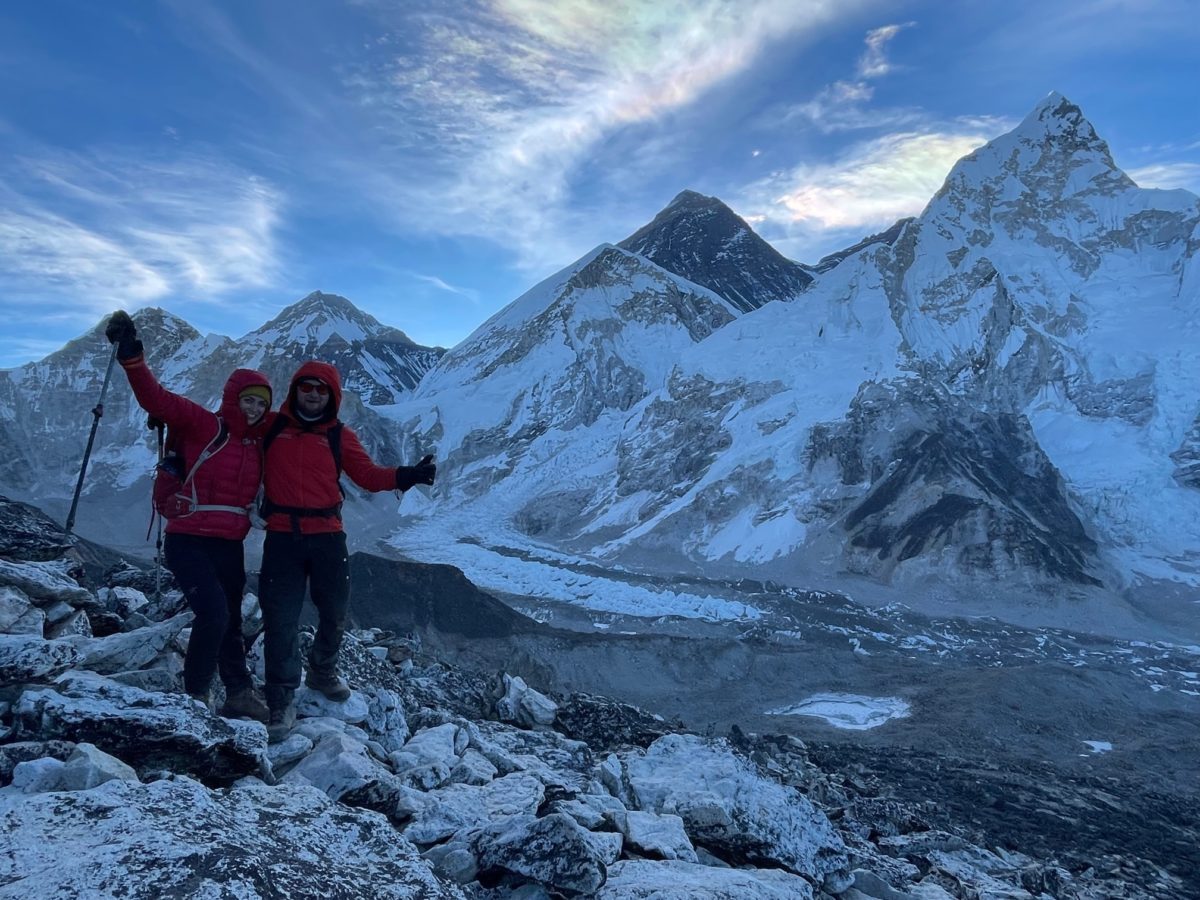
Nepal provides a multitude of trekking regions suitable for individuals of all ages. By perusing the regional page, you can uncover the ideal trek that matches your desired duration and altitude. Shorter treks, known for their relative ease, are available, while longer treks necessitate a higher level of fitness. You'll gain access to a comprehensive compilation of treks and mountain peaks, enabling you to select the pace and direction that best suits your preferences. Typically, trekking involves daily walks of 5-8 hours, with a lightweight backpack in tow. Regardless of whether you choose an Easy, Moderate, or Difficult trekking package, rest assured that no technical skills are required whatsoever.
Note
Respecting nature and local communities during your Nepal trek is not only important for the preservation of the environment but also for maintaining a positive relationship with the local communities who call these areas home. Here are some key aspects to consider:
Leave No Trace: Practice Leave No Trace principles by minimizing your impact on the environment. Pack out any trash you generate and dispose of it properly. Avoid damaging flora and fauna, and stick to designated trails to avoid disturbing natural habitats.
Follow Local Regulations: Familiarize yourself with any trekking regulations or permits required for the specific area you are trekking in. Respect any restrictions or guidelines put in place to protect the environment and cultural sites.
Support Local Economy: Choose locally owned and operated trekking agencies, guides, and accommodations. This helps support the local economy and ensures that the benefits of tourism reach the communities directly.
Cultural Sensitivity: Learn about the local customs, traditions, and etiquette before your trek. Respect religious sites, practices, and local dress codes. Seek permission before photographing individuals, especially in remote communities.
Engage with Local Communities: Interact respectfully with local people you encounter along the trek. Learn a few basic greetings and phrases in the local language. Take an interest in their culture and customs, and be open to learning from them.
Support Conservation Efforts: Consider volunteering or contributing to local conservation projects or initiatives that work towards preserving the natural environment and supporting sustainable tourism.
Conserve Resources: Be mindful of your water and energy consumption during your trek. Use reusable water bottles and water purification methods to minimize plastic waste. Opt for lodges or teahouses that practice eco-friendly initiatives.
Wildlife Observation: Observe wildlife from a safe distance and avoid disturbing or feeding them. Do not collect or remove any plants, rocks, or artifacts from natural or cultural sites.
By following these guidelines, you can help ensure that your trekking experience in Nepal is respectful, and sustainable, and contributes positively to the preservation of nature and the well-being of local communities.