Everest Expedition, towering in the Himalayas on the Nepal-Tibet border, stands as the world’s tallest peak. Climbing this iconic mountain is a dream for many, but it’s a journey fraught with physical and mental challenges.
Expedition with Nepal Wilderness Trekking
Nepal Wilderness Trekking offers a lifetime adventure scaling Mount Everest’s South Face and Southeast Ridge. With 29 years of guiding experience, we’re pioneers in guided ascents, ensuring our expedition members achieve their summit goals.
The Challenge of the Everest Expedition
Climbing Everest, at 29,029 feet, demands peak physical fitness, mental fortitude, and mountaineering expertise. Preparation includes acquiring the necessary climbing gear, clothing, and provisions.
Choosing the Right Expedition
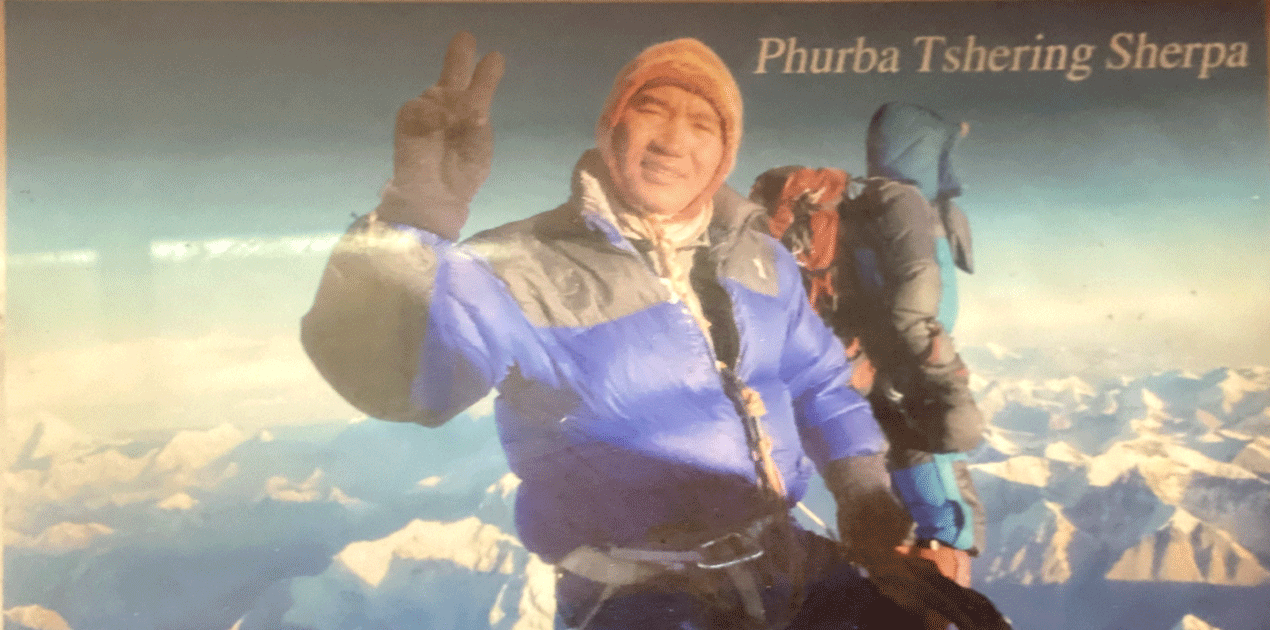
Selecting a reputable Everest expedition company is crucial. Our experienced guides and Sherpas, the true heroes of the Himalayas, ensure safety and success on this challenging journey.
The Route: South Side
Mount Everest’s South Side route is the most popular and accessible, known for its relative ease compared to other routes like the North Col. However, it presents unique challenges, starting with the infamous Khumbu Icefall.
Khumbu Icefall: A Treacherous Passage
The journey begins with navigating the Khumbu Icefall, a steep and dynamic glacier known for its treacherous crevasses and towering seracs. This section, situated between Base Camp and Camp 1 at approximately 6000 meters, is perhaps the most dangerous part of the entire ascent.
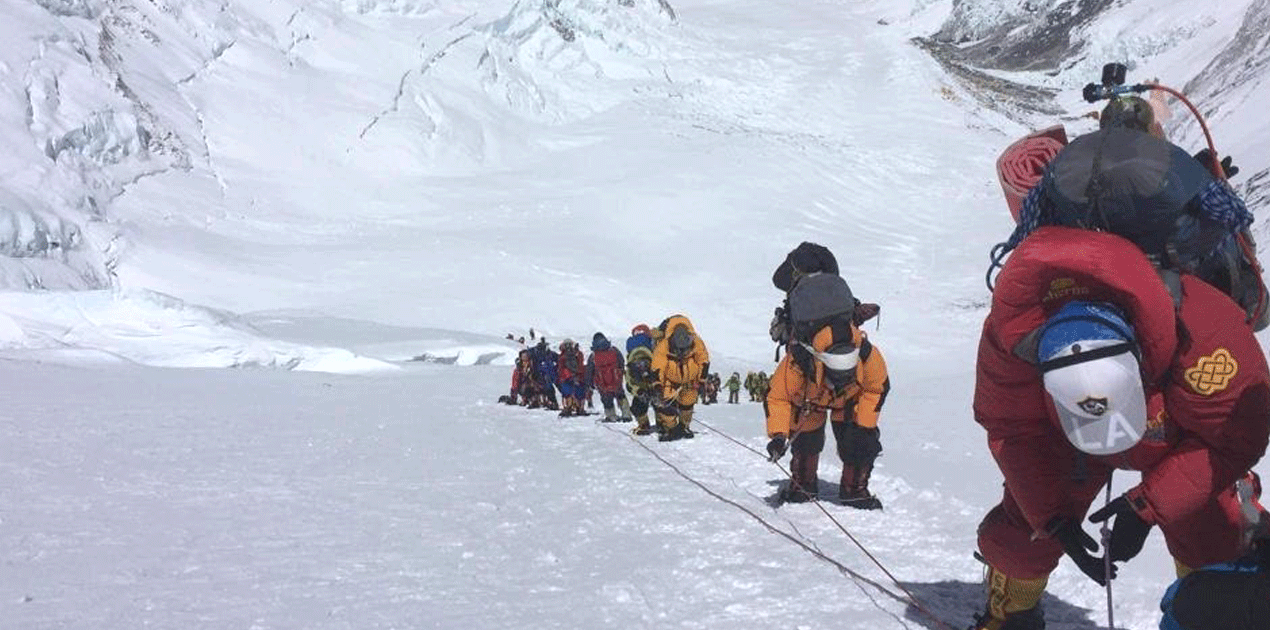
During the climbing season of the Everest Expedition, skilled Sherpas fix ropes and ladders across the crevasses and seracs, making the ascent manageable, especially during the early morning when the ice is firmest and least likely to shift. However, the western aspect of the icefall can become particularly hazardous in the afternoon as temperatures rise and the ice becomes more unstable.
Camp 1 and Acclimatization
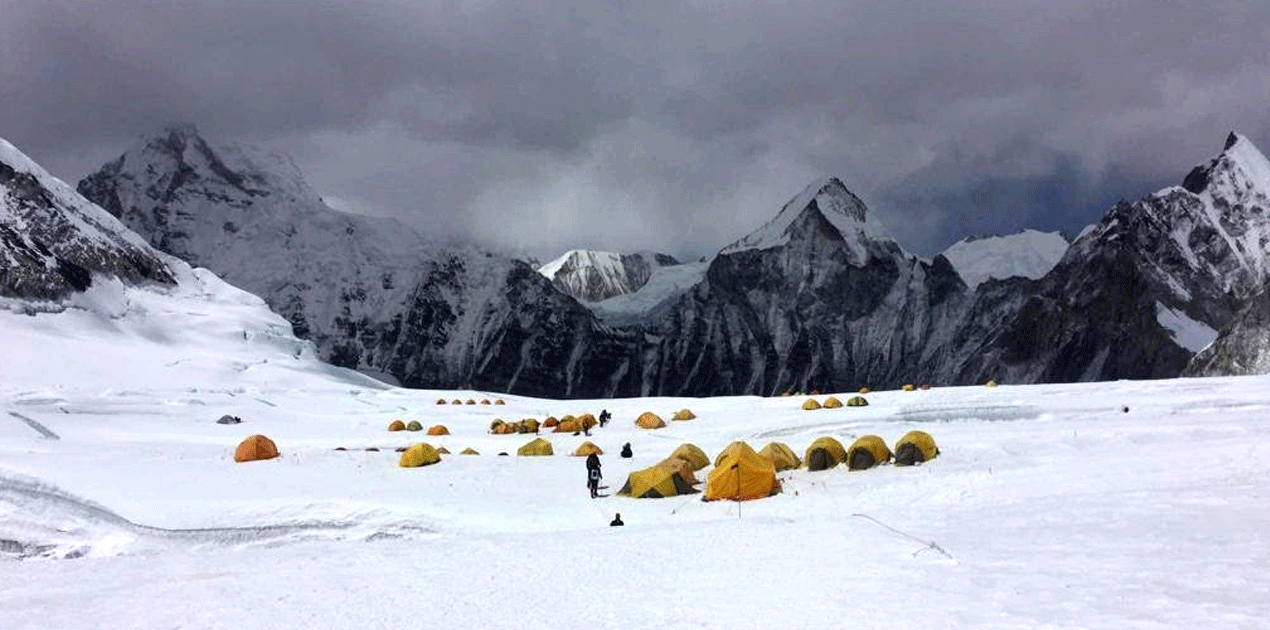
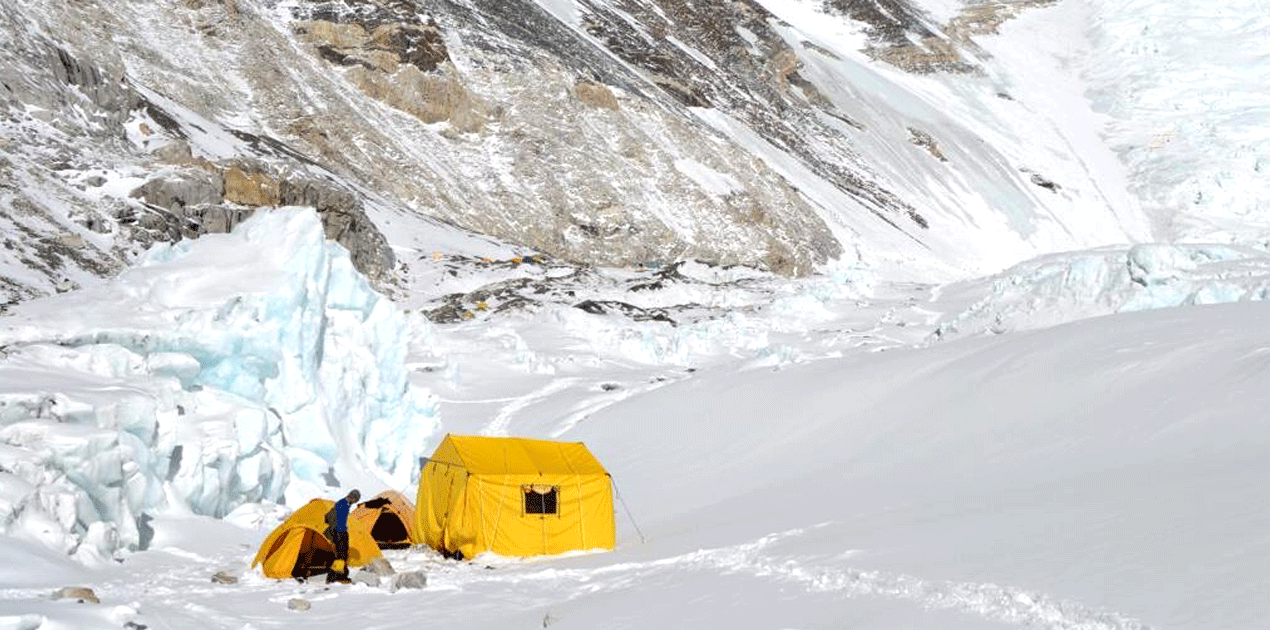
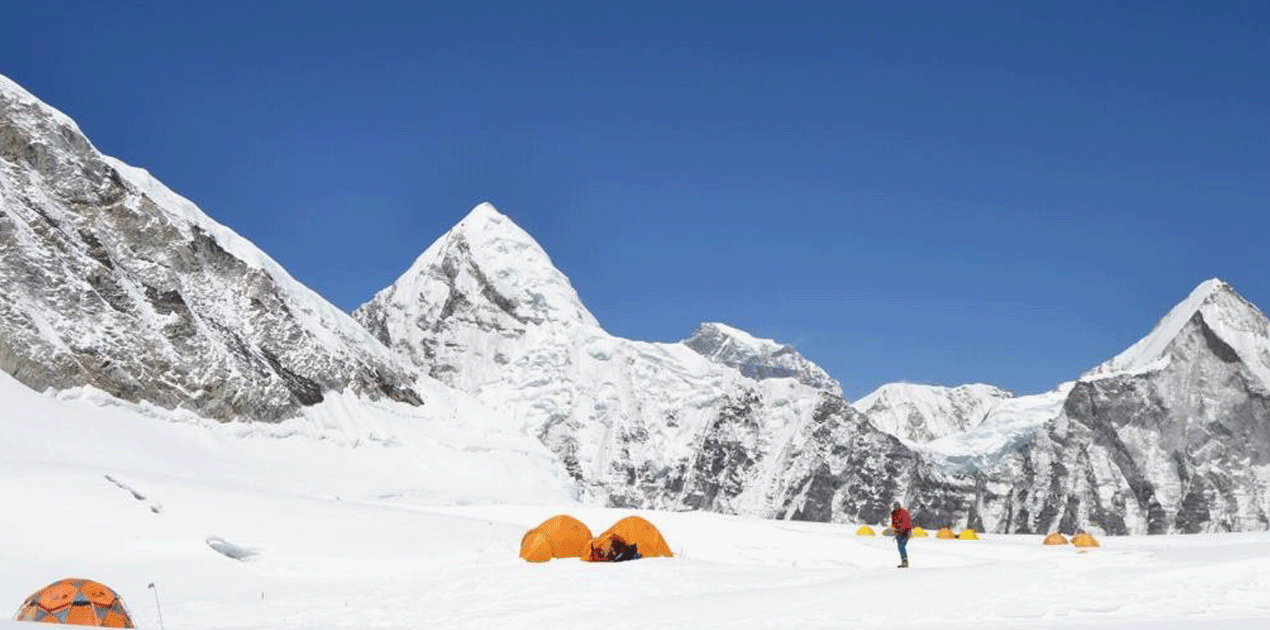
Camp 1, nestled at the base of the Khumbu Icefall, serves as a crucial acclimatization point. Despite its desolate and exposed location, it provides a necessary transition before climbers proceed further up the mountain. The area around Camp 1 is dotted with large crevasses, some of which require crossing via ladders fixed by Sherpas for safety.
From Camp 1, climbers gradually acclimatize to the altitude, spending time acclimatizing at higher camps like Camp 2, located at the foot of the Lhotse Face on the West Ridge. This camp not only offers stunning views of Lhotse but also serves as a critical staging area for the final push to the summit.
Camp 3 and the Lhotse Face
Camp 3, positioned at approximately 7200 meters on a small ledge of the Lhotse Face, marks another significant acclimatization milestone. Climbers ascend a steep snowfield of about 600 meters, navigating short ice cliffs secured with fixed ropes by Sherpas. This leg of the journey requires careful pacing and adherence to safety protocols due to the altitude’s effects on energy levels and decision-making.
South Col and the Final Push
The South Col, located at 7950 meters, serves as the last campsite before the summit attempt. This high-altitude camp is a critical juncture where climbers must prepare both physically and mentally for the grueling final ascent. The route to the summit from the South Col involves negotiating technical sections like the Yellow Band, an interlayer of marble and phyllite, and the Geneva Spur, an anvil-shaped rib of black rock.
The Summit Bid
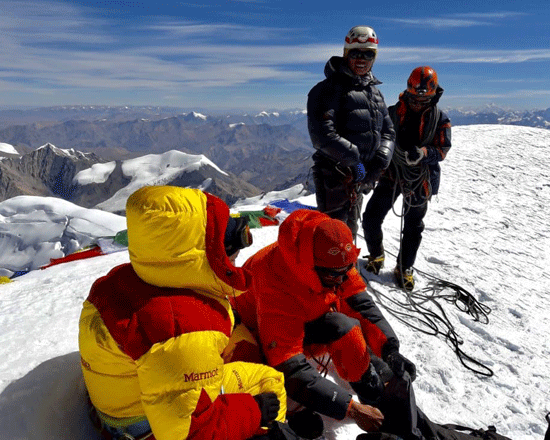
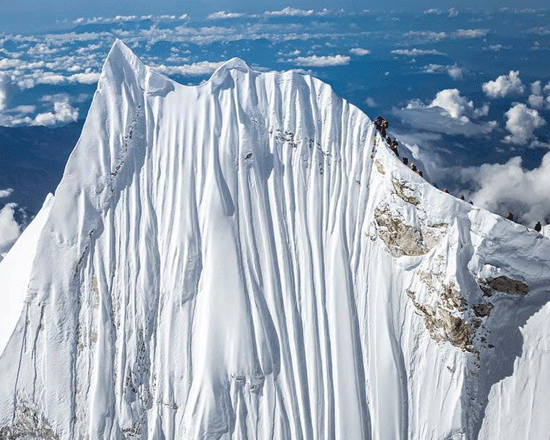
The final push to the summit begins from the South Col, following the southwest ridge. This section involves a mix of snow and rock, including the famous Hillary Step, a steep rock face just below the summit ridge. Climbers must negotiate this challenging terrain, often assisted by fixed ropes installed by Sherpas, to reach the summit at 8848.86 meters (29,031.7 feet).
Preparing for an Everest Expedition
Embarking on an Everest expedition requires meticulous preparation and dedication. Here are essential considerations for aspiring climbers:
Physical Fitness: Climbing Everest demands peak physical fitness. Preparation should include a rigorous training regimen focusing on cardiovascular endurance, strength training, and overall stamina. Conditioning your body to endure long periods of exertion at high altitudes is crucial.
Altitude Acclimatization: Proper acclimatization is key to avoiding altitude sickness and ensuring a safe ascent. Climbers typically spend several weeks at base camp and progressively higher camps to allow their bodies to adjust to the reduced oxygen levels.
Climbing Experience: Climbing Mount Everest is not for novices. Prior experience in high-altitude mountaineering, proficiency in using crampons, ice axes, and other technical gear, and familiarity with expedition-style camping are essential.
Mental Preparation: Climbing Everest is as much a mental challenge as it is physical. Climbers must prepare themselves for the psychological demands of the climb, including coping with fatigue, uncertainty, and the stress of high-altitude conditions.
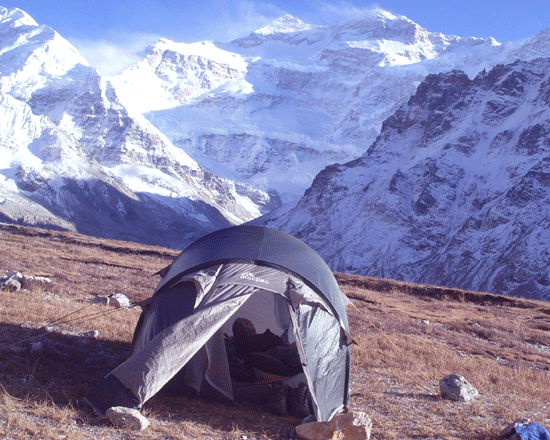
Equipment and Gear: High-quality gear is essential for safety and comfort during the expedition. This includes clothing suitable for extreme cold, mountaineering boots, crampons, ice axes, harnesses, ropes, and a reliable tent and sleeping system. Investing in top-notch equipment and ensuring everything is in good condition can make a significant difference in your Everest experience.
Safety First: Safety should always be the top priority during an Everest expedition. Choosing a reputable expedition company with experienced guides and a strong safety record is critical. Familiarize yourself with emergency procedures, including evacuation plans and rescue protocols, to handle potential emergencies effectively.
Respect for the Mountain and Culture
Climbing Mount Everest is not just about personal achievement; it’s also about respecting the mountain and the local Sherpa culture. Environmental stewardship is crucial to minimize the expedition’s impact on the fragile Himalayan ecosystem. Understanding and respecting Sherpa’s customs and traditions adds depth and meaning to the Everest experience.
Conclusion
An Everest expedition is a monumental undertaking that offers unparalleled rewards but demands thorough preparation, experience, and respect for the challenges it presents. By approaching the climb with caution, dedication to training, and a commitment to safety and environmental responsibility, climbers can maximize their chances of a successful ascent and an unforgettable adventure on the roof of the world.
Related Expeditions and Treks
For those seeking more adventures in the Himalayas, consider exploring these other expeditions and treks:
These adventures offer diverse experiences in the stunning landscapes of Nepal, from challenging climbs to scenic treks. Each journey promises unique encounters with nature and unforgettable memories in the Himalayas.