
March 27, 2026
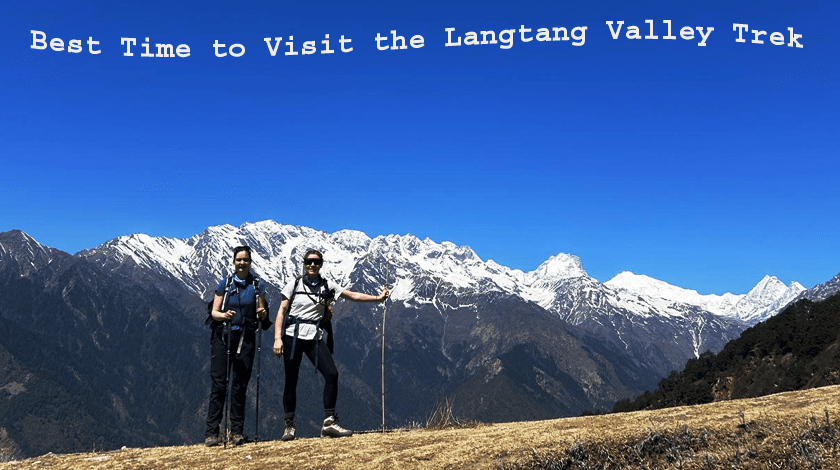
Best Time to Visit the Langtang Valley Trek
 By admin
The best time to visit the Langtang Valley Trek is during spring (March to May) and autumn (September to November), when the weather remains stable, the skies are clear, and the trails are dry. These conditions make trekking safer and more enjoyable, especially when exploring high-altitude areas like Kyanjin Gompa and Tserko Ri.
Among these months, October offers the most ideal conditions with crystal-clear mountain views and comfortable temperatures, while April stands out as another excellent option due to blooming rhododendron forests and vibrant landscapes.
That is why understanding the right timing is essential for a safe and rewarding trek.
When Should You Trek the Langtang Valley?
Choosing the right time for the Langtang Valley Trek in Nepal is one of the most important decisions, as it directly affects safety, visibility, and overall experience. The trail gradually ascends from Syabrubesi (1,550 m) through dense forests and traditional Tamang heritage villages, reaching alpine areas like Kyanjin Gompa (3,870 m) and viewpoints such as Tserko Ri (5,000 m).
Because of this elevation gain, weather conditions can vary significantly. Lower regions remain mild, while higher areas can be cold and unpredictable.
From real trekking experience, the seasonal difference is very noticeable. In the right season, the trail is comfortable, the views are stunning, and the journey feels smooth. In less favorable seasons, the same trek can become challenging due to rain, snow, or poor visibility.
Overview of Four Trekking Seasons in Langtang Region
The Langtang region experiences four distinct seasons: spring, monsoon, autumn, and winter. Each season brings unique weather patterns that influence trekking conditions, scenery, and accessibility.
Key Factors That Affect Trek Timing
Several important factors determine the best time for the Langtang Valley Trek:
- Weather stability plays a major role in safety and comfort
- Temperature varies with altitude, especially near Kyanjin Gompa and Tserko Ri
- Visibility is essential for mountain views, including Langtang Lirung
- Trail conditions (dry, muddy, or snowy) affect trekking difficulty
- Availability of teahouses and local services
Langtang Valley Trek in Spring (March–May)
Weather and Temperature in Spring
Spring offers moderate temperatures, ranging from 10 to 20°C in lower areas and dropping to near freezing at higher elevations. The weather is generally stable and suitable for trekking.
Trail Conditions in Spring
Trails are mostly dry and comfortable. Some snow may remain near higher viewpoints, but overall conditions are safe.
Visibility and Scenery
Spring provides clear skies and beautiful mountain views. Rhododendron forests bloom across the region, adding vibrant colors to the landscape.
Pros & Cons of Trekking in Spring
Pros
- Stable weather with moderate temperatures
- Dry and comfortable trails
- Excellent views of Langtang Lirung and the surrounding peaks
- Blooming rhododendrons enhance the scenery
Cons
- Moderate number of trekkers
- Some snow at higher elevations
- Cold mornings and nights
Who Should Trek in Spring
Spring is ideal for first-time trekkers, nature lovers, and photographers looking for colorful landscapes.
Langtang Valley Trek in Autumn (September–November)
Weather and Temperature in Autumn
Autumn brings stable weather with mild temperatures in lower regions and cooler conditions at higher altitudes.
Trail Conditions in Autumn
The trails are dry and stable, making trekking easier and safer.
Visibility and Mountain Views
Autumn offers the clearest skies of the year, providing outstanding views of Langtang Lirung, Dorje Lakpa, and the surrounding peaks.
Pros & Cons of Trekking in Autumn
Pros
- Most stable and reliable season
- Clear skies and best visibility
- Comfortable temperatures
- Ideal for beginners
Cons
- Peak season with more trekkers
- Teahouses can be busy
- Slightly higher costs
Best Months in Autumn
September offers improving weather after the monsoon, October is the best overall month, and November provides clear skies with cooler temperatures.
Langtang Valley Trek in Monsoon (June–August)
Weather Conditions in Monsoon
Monsoon brings heavy rainfall, especially in lower regions, along with high humidity.
Trail Conditions and Risks
Trails become muddy and slippery, and landslides may occur in forested sections. River crossings can also be more challenging.
Visibility During Monsoon
Cloud cover often blocks mountain views, reducing visibility.
Pros & Cons of Trekking in Monsoon
Pros
- Lush green landscapes
- Fewer crowds and quiet trails
Cons
- Heavy rain and slippery trails
- Risk of landslides
- Poor visibility
- Leeches in forest areas
Who Should Consider Trekking in Monsoon
This season is suitable only for experienced trekkers prepared for wet and challenging conditions.
Langtang Valley Trek in Winter (December–February)
Weather and Temperature in Winter
Winter brings cold temperatures, especially at higher altitudes, often dropping below freezing.
Trail Conditions in Winter
Trails may be covered with snow, particularly near Kyanjin Gompa and higher viewpoints.
Visibility and Snow Conditions
Skies are often clear, and snow-covered landscapes create stunning scenery.
Pros & Cons of Trekking in Winter
Pros
- Very quiet trails
- Beautiful snow-covered landscapes
- Clear mountain views
Cons
- Cold temperatures
- Snow can make trails difficult
- Some teahouses may be closed
- Physically more demanding
Who Should Trek in Winter
Winter trekking is best for experienced trekkers who can handle cold conditions.
Month-by-Month Guide for Langtang Valley Trek
March – Start of the trekking season with improving weather
April – One of the best months with blooming forests
May – Warmer but still suitable before the monsoon
June – Beginning of monsoon with increasing rain
July – Heavy rainfall and difficult conditions
August – Continued monsoon with poor visibility
September – Transition month with improving weather
October – Best overall conditions
November – Clear skies with cooler temperatures
December – Start of winter with fewer trekkers
January – Coldest month with snow at higher altitudes
February – Cold but gradually improving toward spring
Which Season Is Best for You?
Best Time for Beginners
Autumn is the best choice due to stable weather and safe conditions.
Best Time for Photography
Spring offers colorful landscapes and excellent light conditions.
Best Time for Fewer Crowds
Winter and monsoon provide quieter trails.
Best Time for Budget Travelers
Winter and monsoon can be more affordable, but require flexibility.
How Weather Impacts Trek Difficulty
Weather plays a significant role in the difficulty of the Langtang Valley Trek. Rain during monsoon creates slippery trails, while snow in winter can make higher sections more challenging. Cold temperatures can also affect energy levels and overall comfort.
Choosing the right season helps reduce risks and ensures a smoother trekking experience.
What to Pack Based on Season
Packing for Spring
Layered clothing with a light down jacket is sufficient.
Packing for Autumn
Similar layering with warm clothing for mornings and evenings.
Packing for Winter
Heavy insulation, including a down jacket and thermal layers.
Packing for Monsoon
Waterproof clothing and gear are essential.
Conclusion
Autumn is the best season for the Langtang Valley Trek, offering stable weather and the clearest mountain views. Spring is the second-best option, with beautiful landscapes and comfortable temperatures.
Monsoon is less suitable due to rain and trail conditions, while winter is ideal only for experienced trekkers seeking a quieter and more challenging experience.
For the best overall experience, planning your trek in October or April will provide the most reliable and rewarding journey.
Frequently Asked Questions
What is the best month for the Langtang Valley Trek?
October is considered the best month due to clear skies and stable weather.
Can beginners do the Langtang Valley Trek?
Yes, it is one of the best treks for beginners with proper preparation.
Is the Langtang trek possible in winter?
Yes, but it requires preparation for cold temperatures and snow.
Is monsoon trekking recommended in Langtang?
Generally not recommended due to rain, slippery trails, and poor visibility.
If you want, I can also optimize this with SEO keywords (like “Langtang Valley Trek”) at 5–6% density or add an internal linking structure for your website.


