

Uncategorized
March 22, 2026
Buddhist Bowl
 By admin
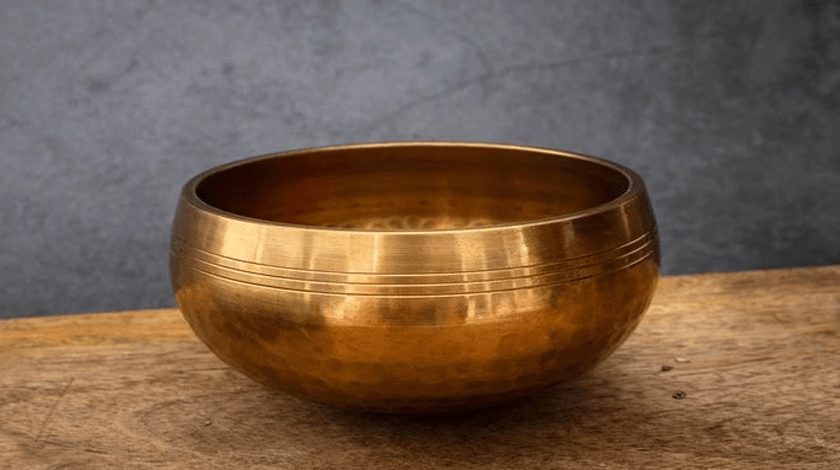
The Buddhist Bowl, known worldwide as the Tibetan singing bowl, healing bowl, or prayer bowl, has been used for meditation, prayer, and healing practices for centuries. While it may appear to be a simple bowl, practitioners of Buddhism and Himalayan spirituality regard it as a sacred instrument. Its resonant sound cleanses the mind, balances energy, and creates harmony between the body and the universe.
In Nepal, people do not treat the Buddhist bowl as just a meditation tool; they weave it into daily life. To understand the Buddhist bowl is to understand Nepal itself: its culture, its spirituality, and its timeless connection to sound and silence.
What Is a Buddhist Bowl?
A Buddhist bowl, also known as a Tibetan singing bowl, is a handcrafted metal instrument that produces a deep, continuous vibration when you strike or gently rub it with a mallet. Unlike ordinary instruments, it generates a long, resonant tone that you can both hear and feel, creating a calming, meditative pulse throughout the body.
Artisans traditionally craft these bowls from a blend of sacred metals linked to celestial bodies, symbolizing a connection between sound and the universe. This rich symbolism elevates the singing bowl beyond a simple instrument into a powerful spiritual tool.
Practitioners use Buddhist bowls in meditation, prayer, sound healing, and rituals to calm the mind, balance energy, and create a deep sense of inner peace, making them an essential part of Himalayan spiritual practice.
History and Origins of the Tibetan Singing Bowl
The Buddhist singing bowl traces its origins to ancient Himalayan monasteries, where monks first used simple metal bowls for daily rituals and offerings. Over time, they discovered that striking these bowls produced deep, resonant tones, transforming them into powerful spiritual instruments.
In Buddhist practice, sound plays a vital role. Singing bowls became essential for meditation, marking the beginning and end of sessions while guiding practitioners into deeper focus. Their fading vibration reflects the core teaching of impermanence, the idea that everything rises and passes.
As Buddhism spread across Nepal and Tibet, singing bowls became widely used in rituals, meditation, and healing. Today, they remain a key part of Himalayan spirituality and are valued worldwide for their calming and therapeutic effects.
Nepal: The Heartland of Buddhist Bowl Craftsmanship
Nepal is widely recognized as the true heartland of authentic Buddhist singing bowl craftsmanship. The Kathmandu Valley, especially Patan, Bhaktapur, and Kathmandu, has produced world-class metalwork for centuries.
Skilled Newar artisans handcraft Tibetan singing bowls using traditional hammering techniques passed down through generations. In places like Patan, small workshops still shape each bowl by hand, creating unique tones and vibrations.
Because every bowl is individually made, no two are the same. This authenticity and craftsmanship make Nepalese singing bowls highly valued worldwide, offering not just a product, but a piece of living Himalayan tradition.
Traditional Craftsmanship and Hand-Hammered Technique
Authentic Buddhist bowls are not molded by machines. They are shaped through thousands of careful hammer strikes. Artisans first heat the metal until it becomes soft and glowing. Then they hammer it repeatedly, slowly forming the bowl’s shape. Each hammer strike slightly changes the metal’s thickness and structure. These small differences affect the sound dramatically. A thicker rim may produce deeper tones, while thinner sections create higher notes. This process requires experience, patience, and skill passed down through generations. The visible hammer marks on handmade bowls are not flaws; they are proof of authenticity and craftsmanship. Machine-made bowls may look perfect, but their sound often lacks warmth and depth. A handmade bowl feels alive. It carries the touch and effort of the artisan within it.
Spiritual Meaning and Symbolism
In Buddhist philosophy, the bowl represents emptiness not emptiness as nothingness, but emptiness as openness and possibility. Just as an empty bowl can be filled, the mind can be filled with wisdom and compassion. When the bowl is struck, its sound teaches impermanence. The tone rises, sustains, and fades. Life follows the same pattern. Nothing lasts forever. This simple lesson encourages mindfulness and acceptance. The bowl also symbolizes unity. Its vibration spreads outward, touching everything around it. In the same way, all beings are interconnected. The singing bowl becomes both teacher and reminder of these truths.
Tibetan Healing Bowls and Sound Therapy
Beyond their spiritual and ritualistic significance, Tibetan healing bowls are widely recognized for their therapeutic properties. Sound therapy practitioners believe that the vibrations of the bowls interact with the body’s energy system, helping to release tension and restore balance. Research suggests that steady sound frequencies can reduce stress, slow heart rate, lower anxiety, improve concentration, and promote deep relaxation. In healing sessions, bowls may be placed around or even on the body, with the vibrations creating a gentle, massage-like effect that calms muscles, nerves, and the mind. Wellness retreats across Nepal often incorporate Tibetan healing bowls into yoga, meditation, and Reiki programs, providing visitors with a unique opportunity to experience the calming and transformative power of Himalayan sound therapy in the very environment where these practices originated.
Types of Buddhist Bowls
There are many varieties of Buddhist bowls. Traditional hand-hammered metal bowls remain the most authentic. Antique bowls, sometimes hundreds of years old, are prized for their rich tones. Therapeutic bowls are thicker and designed for healing work. Smaller prayer bowls are used in rituals. Modern crystal bowls create clear sounds but lack traditional heritage. Despite differences, all share the same purpose: creating vibration that encourages peace and awareness.
Where Buddhist Bowls Are Famous in Nepal
Buddhist bowls are used across Nepal, but a few regions stand out for their deep spiritual connection and craftsmanship. The Kathmandu Valley is the cultural heart of Tibetan singing bowls, where artisans in Thamel and Patan handcraft them using traditional techniques. Sacred sites like Boudhanath Stupa and Swayambhunath Stupa use these bowls in daily rituals and meditation.
In Lumbini, the birthplace of Gautama Buddha, Tibetan prayer bowls play a key role in spiritual practice, and pilgrims often take them home as sacred souvenirs. In the Khumbu Region, monasteries like Tengboche Monastery use bowls during daily puja, their sound echoing through the Himalayas.
Remote regions like Upper Mustang and Lo Manthang preserve ancient Tibetan rituals, where singing bowls remain central to tantric ceremonies. Along the Annapurna Circuit, especially in Manang, monasteries and teahouses use them for meditation, offering trekkers a unique spiritual experience.
Across Nepal, the sound of Buddhist bowls blends with the mountains, creating a powerful connection between nature, culture, and inner peace.
Buddhist Bowls on Trekking Trails
For trekkers in Nepal, the sound of a Tibetan singing bowl can be one of the most memorable aspects of the journey. Along routes such as the Everest Base Camp trek, Annapurna Circuit, and Langtang Valley, monasteries and meditation centers regularly use bowls during blessings, meditation, and prayer sessions. Hearing the clear, resonant tone of a bowl echo against mountain walls or across high-altitude valleys adds a profound layer of connection to the landscape, imbuing the trekking experience with a sense of peace, mindfulness, and reverence. Many hikers describe these encounters as transformative, as if the mountains themselves are singing through the bowls, offering a unique intersection of nature, culture, and spirituality.
How to Use a Buddhist Bowl?
Using a Buddhist bowl is both simple and mindful. One typically places the bowl on the palm or a soft cushion, strikes it gently with a wooden mallet, and circles the rim slowly to produce a continuous, resonant sound. The practitioner is encouraged to focus on the vibration, breathe deeply, and allow the sound to guide awareness, creating a meditative and calming experience that enhances both spiritual and physical well-being. The process itself embodies mindfulness, emphasizing patience, attention, and receptivity to the present moment.
Choosing an Authentic Bowl in Nepal
When seeking an authentic Tibetan singing bowl in Nepal, it is important to look for handmade characteristics such as visible hammer marks, uneven surfaces, and a rich, long-lasting resonance. Listening carefully to the sound, feeling the vibrations, and purchasing directly from local artisans ensures that the bowl carries the integrity of centuries of craftsmanship. Supporting these artisans helps preserve a living tradition, maintaining the cultural heritage of Nepal and ensuring that future generations can continue to experience the spiritual and healing benefits of authentic Buddhist bowls.
Care and Maintenance
Proper care keeps your Buddhist singing bowl looking beautiful and sounding clear for years. Always handle the bowl with care, as its tone depends on its shape and thickness; small dents or cracks can affect its resonance.
Place the bowl on a soft cushion or cloth while playing to prevent damage. Clean it regularly with a soft, dry cloth to remove dust and fingerprints. For deeper cleaning, use mild soap and warm water, then dry it completely. Avoid harsh chemicals or abrasive cleaners, as they can damage the finish.
Store your Tibetan singing bowl in a dry, safe place away from moisture and direct sunlight. With mindful care, your bowl will maintain its rich sound and spiritual value for generations.
Modern Popularity Worldwide
Today, people use Tibetan singing bowls in yoga studios, meditation centers, therapy sessions, and homes around the world. Practitioners value them for their calming sound and healing effects.
Despite their global popularity, these bowls still carry strong roots in Nepal’s mountains and monasteries. They reflect centuries of spiritual wisdom, craftsmanship, and cultural tradition.
Every time someone plays a singing bowl, it echoes the Himalayas, linking directly to the sacred traditions of the Kathmandu Valley, Lumbini, Khumbu, Mustang, and the Annapurna region.
Conclusion: The Eternal Sound of the Mountains
The Buddhist bowl is more than a simple metal instrument; it is memory, prayer, and vibration shaped by centuries of Himalayan devotion. From the Kathmandu Valley’s workshops to the monasteries of Khumbu, Mustang, Manang, and Lumbini, these bowls continue to sing the story of Nepal. Whether used as a Tibetan prayer bowl, Tibetan healing bowl, or Tibetan singing bowl, their purpose remains the same: to awaken stillness, compassion, and mindfulness. When the sound fades into silence, what remains is presence, awareness, and a profound connection to the sacred mountains, the monks, and the timeless traditions of Nepal. The resonance of each bowl reminds us that sound is not merely heard but felt, and in that vibration lies a journey into the heart of the Himalayas and the human spirit itself.


