

March 24, 2026
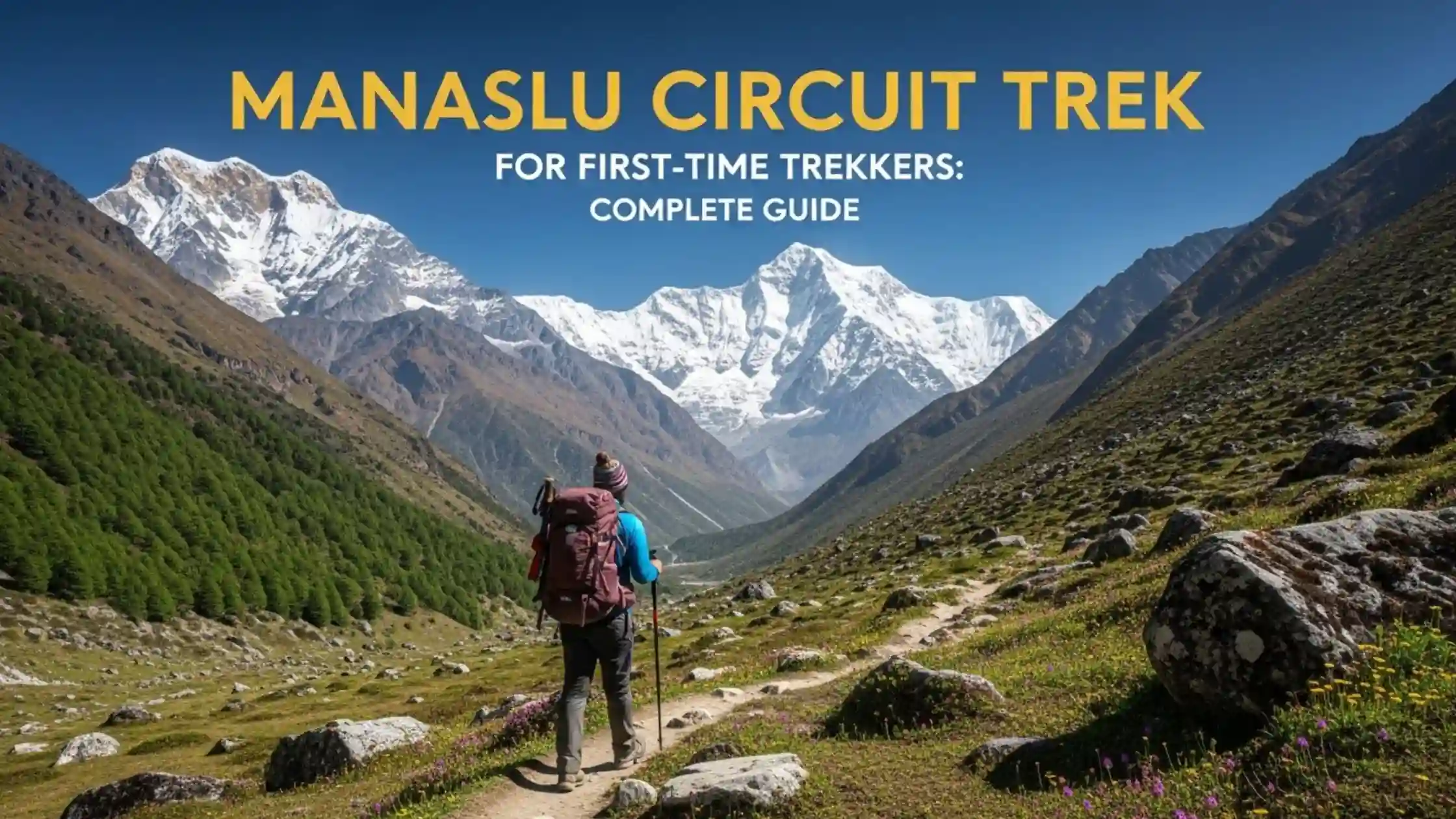
Manaslu Circuit Trek for First-Time Trekkers
 By admin
If you’re planning your first high-altitude trek in Nepal and want something less crowded than Everest or Annapurna, the Manaslu Circuit Trek is one of the best choices.
I’ve walked this trail from the humid river valleys of Machha Khola to the cold winds of Larkya La Pass (5,160 m) and what makes Manaslu special is its raw, untouched feel. You don’t just trek here, you experience a completely different way of life. But this trek is not for everyone.
This guide will help you understand whether this Manaslu circuit trek is the right fit for you, how to prepare properly for the journey, and what you can realistically expect on the trail.
Key Facts First-Time Trekkers Need
- Duration: 12–16 days
- Max altitude: 5,160 m (Larkya La Pass)
- Total distance: ~177 km
- Daily walking: 5–8 hours
- Difficulty: Moderate → Challenging
- Accommodation: Teahouses (basic lodges)
- Guide required: Yes (mandatory)
What Makes Manaslu Different from Other Treks?
Manaslu vs Annapurna Circuit
Both treks involve crossing high mountain passes and visiting remote villages. However, the Manaslu Circuit is less crowded and more remote, offering a quieter trekking experience.
Manaslu vs Everest Base Camp
The Everest Base Camp trek provides close views of Mount Everest, while the Manaslu Circuit focuses on wilderness landscapes and Tibetan culture around Mount Manaslu.
Who This Trek Is Ideal For
- First-time trekkers with good physical fitness and basic endurance
- Travelers seeking a less crowded, off-the-beaten-path experience
- Adventure lovers interested in authentic Himalayan culture and remote villages
- People are comfortable with long walking days (5–8 hours) and high-altitude conditions
- Trekkers who enjoy nature, mountains, and simple teahouse living
Difficulty of the Manaslu Circuit Trek
The Manaslu Circuit Trek is generally considered moderate to challenging.
Several factors contribute to the trek’s difficulty.
Altitude
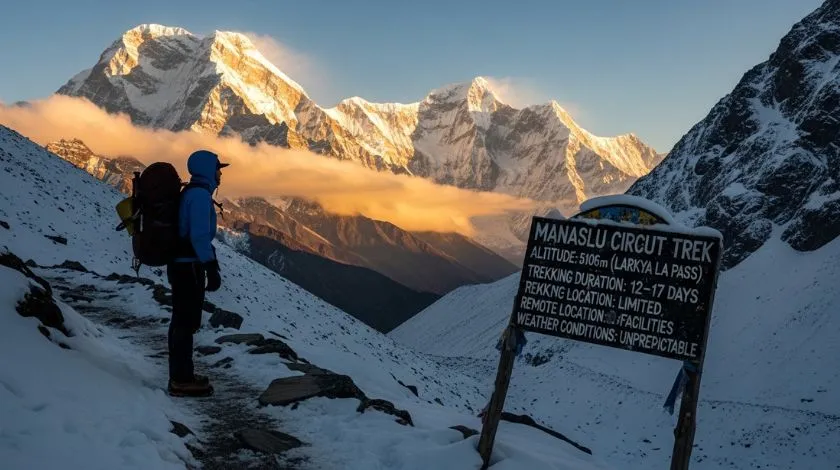
The trail reaches 5,160 meters at Larkya La Pass, where oxygen levels are significantly lower than at sea level.
Trekking Duration
Most trekking days involve 6–8 hours of walking, sometimes longer on pass crossing days.
Remote Location
Compared with the Annapurna or Everest regions, the Manaslu area has fewer facilities and limited road access, making logistics more challenging.
Weather Conditions
High-altitude weather can change rapidly, especially near the pass.
Despite these challenges, the trek does not require technical climbing skills and is achievable for trekkers with good physical fitness and proper acclimatization.
Altitude and Acclimatization
Trekking in the Himalayas above 3,000 meters comes with the risk of altitude-related illnesses, making proper acclimatization essential for a safe and enjoyable journey.
Highest Point of the Trek
The most challenging and highest point of the route is Larkya La Pass (5,160 meters), where oxygen levels are significantly lower, and weather conditions can be unpredictable.
Symptoms of Acute Mountain Sickness (AMS)
Trekkers should be aware of the early signs of AMS, which may include:
- Persistent headache
- Nausea or loss of appetite
- Dizziness or lightheadedness
- Unusual fatigue or weakness
- Shortness of breath, even at rest
Recognizing these symptoms early is crucial to preventing serious complications.
How to Prevent Altitude Sickness
You can significantly reduce the risk of AMS by following these best practices:
- Ascend gradually to allow your body time to adjust
- Include proper acclimatization days in your itinerary
- Stay well-hydrated throughout the trek
- Avoid alcohol and smoking at higher elevations
Acclimatization Strategy
Most trekking itineraries include planned acclimatization stops in key villages like Samagaun and sometimes Samdo. These rest days help your body adapt to increasing altitude before continuing toward higher elevations.
Best Time to Trek Manaslu Circuit
The best seasons for the Manaslu Circuit Trek are spring and autumn, when weather conditions are stable, and mountain views are clear.
Spring (March–May)
Spring offers mild temperatures and blooming rhododendron forests. Snow remains on high passes, but trails are generally accessible.
Autumn (September–November)
Autumn is the most popular trekking season in Nepal. Clear skies provide excellent visibility of the Himalayan peaks.
Winter (December–February)
Winter treks are possible but challenging due to heavy snowfall around Larkya La Pass.
Monsoon (June–August)
The monsoon season brings heavy rainfall, landslides, and poor trail conditions.
Day-by-Day Experience Insight
Lower region (Machha Khola to Jagat)
- hot, humid
- waterfalls, rivers
- lots of suspension bridges
Mid region (Deng to Namrung to Lho)
- cooler weather
- first mountain views
- Buddhist culture begins
Upper region (Samagaon to Samdo)
- dry, cold
- strong Tibetan influence
- slower walking due to altitude
High pass (Larkya La)
- harsh, windy, breathtaking
- 360° mountain panorama
Culture and Local Communities
The culture and local communities of the Manaslu region are strongly influenced by Tibetan Buddhism, particularly in the upper sections of the trek where traditions remain well preserved.
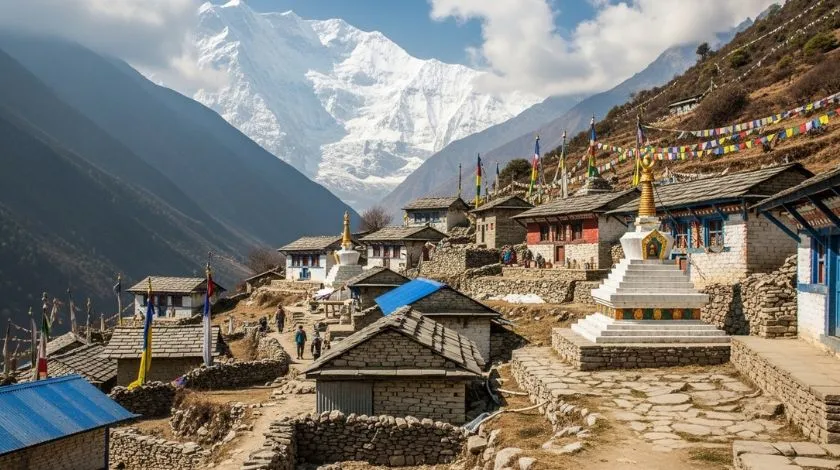
Many villages display distinct cultural elements such as prayer flags, mani walls carved with Buddhist mantras, chortens (stupas), and monasteries, all of which reflect the spiritual practices and daily life of the local people. These features are commonly found along the trekking route and hold religious significance within the community. The region is inhabited by ethnic groups, including the Gurung and Tibetan-origin communities, who continue to follow traditional lifestyles adapted to the harsh Himalayan environment, relying on agriculture, livestock, and seasonal trade while maintaining their cultural identity and heritage.
Accommodation on the Trek
Accommodation on the Manaslu Circuit Trek follows a teahouse trekking system, where trekkers stay in small mountain lodges operated by local families along the route. Rooms are typically simple, featuring twin beds with basic bedding and shared bathrooms, providing essential comfort in remote Himalayan conditions. Facilities vary by village and altitude but may include electricity for charging devices, limited internet access, and hot showers, which are often available for an additional fee.
As trekkers gain elevation, accommodation becomes more basic, particularly in high-altitude locations such as Dharamsala (Larkya Phedi), where facilities are limited due to the harsh environment and remoteness.
Food During the Trek
Food during the Manaslu Circuit Trek is provided by teahouses, where menus typically include a mix of Nepali and international dishes suitable for high-altitude trekking. Common meals available along the route include Dal Bhat (rice, lentils, vegetables), Tibetan bread, noodle soup, fried rice, pasta, and pancakes, offering a balance of carbohydrates and energy for long trekking days. Dal Bhat is especially popular among trekkers because it provides high energy and is often served with free refills in many lodges, making it a reliable and filling option.
Safe drinking water is available throughout the trek and can be consumed by using boiled water provided by teahouses, water purification tablets, or filtration systems, which are essential for maintaining hydration and preventing waterborne illnesses at high altitude.
Common Mistakes First-Time Trekkers Make
Here are the most common mistakes that can affect your trekking experience—and how to avoid them:
- Walking too fast
Moving too quickly at high altitude increases the risk of altitude sickness. A slow, steady pace is key to proper acclimatization. - Overpacking your backpack
Carrying unnecessary weight makes daily trekking more exhausting and reduces overall stamina. - Not drinking enough water
Dehydration is one of the main causes of fatigue and can worsen altitude-related symptoms. - Skipping physical preparation
Lack of training leads to early exhaustion and difficulty completing long trekking days.
If you’re unsure about what to wear for trekking, you can check out our detailed guide that covers everything you need to know about proper trekking attire.
Essential Preparation that Actually Helps
Fitness (start 4–6 weeks before)
- hiking
- stair climbing
- light running
Practice hikes
- carry backpack
- walk 3–5 hours
Mental preparation
- expect discomfort
- accept slow progress
Guide and Porter Requirements
Nepalese government regulations require trekkers in the Manaslu region to travel with a licensed guide. Independent trekking without a guide is not permitted in the restricted area. Many trekkers also hire porters to carry heavy backpacks, allowing them to focus on walking and enjoying the scenery.
Benefits of Hiring a Guide
- navigation and route knowledge
- safety during altitude changes
- cultural interpretation
- assistance in emergencies
Is the Manaslu Circuit Trek Worth It?
The Manaslu Circuit Trek is absolutely worth it if you’re looking for a real Himalayan experience, with fewer crowds, deep cultural exposure, and a journey that is challenging yet highly rewarding. It offers a raw and authentic adventure that goes far beyond typical tourist routes. However, it may not be the right choice if your priority is comfort, luxury, or easy trekking, as the trail involves basic facilities, long walking days, and physically demanding conditions.
Final Thoughts
The Manaslu Circuit Trek is not just about reaching a high pass or completing a route; it’s about adapting to altitude, slowing down your pace, and truly experiencing remote mountain life. For first-time trekkers, it can be physically demanding, but it’s also a deeply meaningful journey that pushes your limits in the best way. If you come prepared and respect the mountains, this is the kind of experience that stays with you for a lifetime.


