

Uncategorized
August 18, 2024
Women in Tourism
 By admin
Women in Tourism: From Hospitality to Trekking and Climbing Guides
Introduction
Tourism is one of the most dynamic and diverse industries in the world. It connects people, cultures, landscapes, and economies. From luxury city hotels to remote mountain trails, tourism creates opportunities for millions of people. Among those shaping this industry, women play a powerful and transformative role.
Women in tourism are not only working in hotels and travel agencies. Still, they are also leading expeditions, guiding trekkers through high mountain passes, managing adventure companies, running homestays, and climbing some of the highest peaks on Earth. In countries such as Nepal, Peru, Tanzania, and Switzerland, women trekking and climbing guides are breaking long-standing stereotypes and redefining adventure tourism.
This article explores the broad role of women in tourism, with a special focus on trekking guides, climbing guides, and women in adventure leadership—making it easier to connect with related trekking and climbing content in your existing blog network.
Women’s Global Role in Tourism
According to the United Nations World Tourism Organization (UNWTO), tourism employs a higher percentage of women compared to many other sectors of the global economy. In many countries, women make up nearly half—or even more—of the tourism workforce, highlighting the industry’s important role in promoting gender inclusion.
Women are widely represented in hospitality, tour operations, transport services, travel agencies, and community-based tourism. In rural and mountain regions, many women run homestays, manage small lodges, produce handicrafts, and work as trekking or cultural guides. Tourism often provides accessible job opportunities and flexible income sources, especially in developing countries.
By earning independent income through tourism, women contribute directly to their families’ education, healthcare, and overall well-being, making tourism a powerful tool for economic and social empowerment.
Women are active in:
- Hotel and lodge management
- Travel agencies and tour operations
- Cultural and heritage tourism
- Sustainable tourism projects
- Homestay businesses
- Adventure tourism (trekking and climbing)
Tourism provides entry-level opportunities as well as leadership pathways. For many women in rural mountain regions, tourism offers financial independence and long-term professional growth.
Women Trekking Guides: Changing the Mountain Landscape
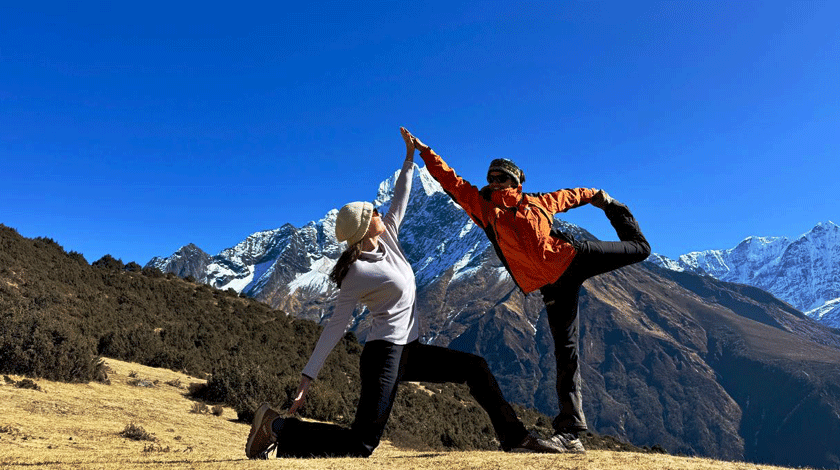
Trekking tourism has long been considered physically demanding and traditionally male-dominated. However, women trekking guides are now establishing themselves as highly capable professionals in mountain regions around the world.
In Nepal’s Himalayan regions, including Everest, Annapurna, Langtang, and Manaslu, female trekking guides are leading groups through high-altitude trails, managing logistics, ensuring safety, and offering cultural insights.
Organizations such as Empowering Women of Nepal have provided training programs that help women gain government licenses, wilderness first aid certification, and high-altitude skills.
Why Women Trekking Guides Are Important
- Professional Expertise – Many female guides complete the same rigorous training as male guides.
- Cultural Sensitivity – Women guides often create comfortable environments for female trekkers.
- Role Models – They inspire young girls in mountain communities.
- Community Development – Income supports local families and education.
Female guides are increasingly requested by solo female travelers and women-only trekking groups, particularly for routes like Everest Base Camp, Annapurna Base Camp, and Langtang Valley.
Women Climbing Guides and Mountaineers
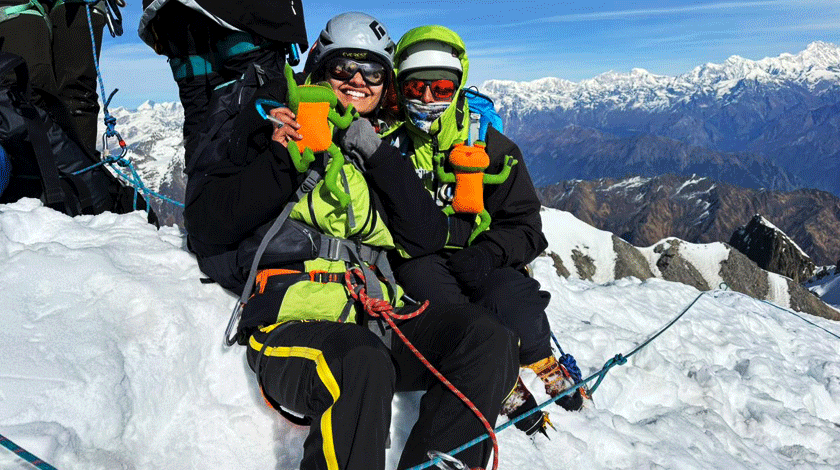
Climbing high-altitude peaks requires advanced technical skills, physical endurance, and mental resilience. Today, women climbing guides are proving their expertise in mountaineering, ice climbing, and expedition leadership, challenging the perception that such activities are male-dominated.
Pioneers like Junko Tabei. In Nepal, Pasang Lhamu Sherpa.
Currently, female climbing guides lead expeditions on peaks such as:
Their responsibilities include rope fixing, glacier navigation, high-altitude acclimatization, and expedition planning. Beyond technical skills, they also ensure group safety, manage logistics, and guide trekkers through challenging environments. The growing presence of women in climbing proves that technical mountaineering, leadership, and adventure are not limited by gender, while inspiring the next generation of female mountaineers and adventure guides.
Women in Adventure Tourism Management
Beyond guiding, women are increasingly taking leadership roles in trekking and climbing tourism. Female entrepreneurs now run:
- Trekking agencies
- Expedition companies
- Gear rental businesses
- Mountain training schools
- Eco-lodges in trekking regions
Women-led adventure companies often prioritize:
- High safety standards for clients and staff
- Responsible and sustainable tourism practices
- Fair wages and proper treatment for porters and support staff
- Environmental conservation and local community support
Running adventure tourism businesses requires careful planning, risk management, and strong leadership—areas where women continue to demonstrate exceptional skill and professionalism. Their growing presence is shaping a safer, more responsible, and inclusive adventure tourism industry.
Women in Community-Based Tourism
Community-based tourism in rural and mountain regions often depends heavily on women’s active participation. Women run homestays, prepare traditional meals, organize cultural performances, and create handicrafts that offer visitors an authentic local experience.
Female-led homestays not only provide travelers with meaningful interactions but also generate income directly within the village, helping reduce migration to urban areas. This income often supports families, education, and local development.
Community tourism initiatives led by women also promote:
- Preservation of indigenous traditions and crafts
- Sustainable farming practices for tourism supplies
- Waste management and environmental care
- Opportunities for cultural exchange between locals and visitors
Women’s involvement ensures that the economic and social benefits of tourism are widely shared, strengthening families and communities while preserving local culture and heritage.
Education, Training, and Certification
Professional training has been essential in expanding women’s roles in trekking and climbing tourism.
Women now participate in:
- Government trekking guide certification programs
- Mountaineering training courses
- Wilderness first aid programs
- Rescue and evacuation training
- High-altitude safety workshops
International organizations such as UN Women advocate for skill development and equal opportunity in tourism sectors.
Access to technical training builds confidence and credibility. It also increases client trust in women-led expeditions and trekking operations.
Challenges Women Still Face
Despite progress, challenges remain in both the general tourism and adventure sectors.
1. Gender Stereotypes
Mountain guiding is still sometimes perceived as a male profession.
2. Physical Expectations
Women often have to prove their physical capability repeatedly.
3. Leadership Gaps
Top executive roles in global tourism are still male-dominated.
4. Safety and Harassment
Working in remote regions or high-pressure environments can create vulnerabilities.
5. Unequal Pay
In some regions, wage disparities still exist.
Addressing these barriers requires policy reform, awareness campaigns, and supportive workplace environments.
Sustainable Tourism and Women’s Leadership
Sustainable tourism thrives when women are actively involved. Women leaders often prioritize:
- Environmental protection
- Responsible waste management
- Ethical mountaineering practices
- Community benefit-sharing
The World Travel & Tourism Council emphasizes inclusive growth and sustainability as pillars of the future tourism economy.
In mountain regions, especially, women guides often educate trekkers about:
- Leave No Trace principles
- Cultural respect
- Wildlife conservation
- Climate change impacts
Their involvement strengthens long-term environmental stewardship.
Digital Media and Visibility
Social media and online travel platforms have amplified the visibility of women in tourism. Female trekking guides and climbers now share stories, training journeys, and expedition experiences through blogs and digital platforms.
Online visibility:
- Attracts international clients
- Builds credibility
- Encourages young women to enter the profession
- Promotes women-led trekking and climbing packages
Digital marketing also allows easier internal linking between content, such as:
- Everest Base Camp Trek
- Island Peak Climbing
- Mera Peak Expedition
- Female Trekking Guide Services
- Women-Only Trekking Packages
This integration strengthens SEO performance while highlighting women’s leadership in adventure tourism.
The Future of Women in Trekking and Climbing Tourism
The next decade will likely see increased participation of women in high-altitude and technical mountain roles. Growing demand for women guides, inclusive travel experiences, and responsible tourism practices will further support this trend.
Key future developments may include:
- More women mountaineering instructors
- Women-led high-altitude expeditions
- Equal leadership representation in trekking companies
- Expanded mentorship programs
- International collaborations
As more female climbers and trekking guides gain global recognition, the perception of adventure tourism will continue to evolve.
Conclusion
Women in tourism are shaping the industry at every level—from hospitality management to high-altitude expedition leadership. In trekking and climbing tourism, especially, women are redefining what is possible.
Female trekking guides, climbing guides, and adventure entrepreneurs bring professionalism, resilience, and community-focused values to the tourism sector. Their contributions strengthen safety standards, promote sustainability, and inspire future generations.
As tourism continues to grow globally, empowering women in all sectors—especially adventure and mountain tourism—is not only a matter of equality but also essential for innovation, sustainability, and long-term success.
Women are not just participating in tourism—they are leading its transformation, from village homestays to the world’s highest summits.


