Dhaulagiri Expedition
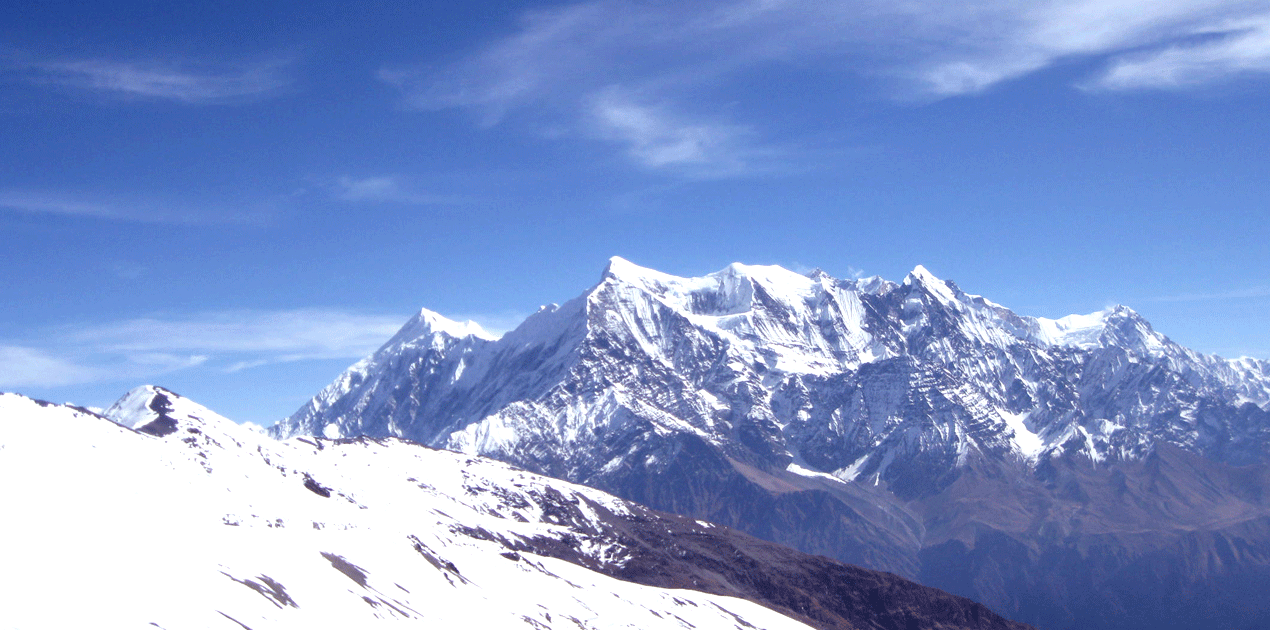
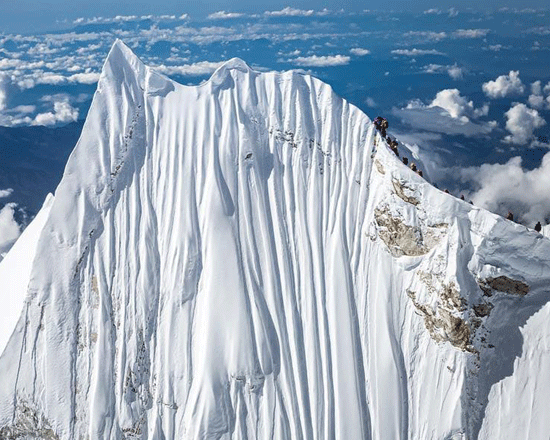
The Dhaulagiri Expedition, one of the most challenging expeditions globally, takes place in the magnificent mountain range of Dhaulagiri Himal, located in north-central Nepal. As the highest mountain in Nepal, Dhaulagiri stretches for thirty miles, showcasing its grandeur through winding terrain, glaciers, and snow-capped peaks. Several pyramid-shaped peaks adorn the landscape along the main crest, with four of these summits surpassing 25,000 feet from east to west. Our expedition aims to conquer the highest peak among them, Dhaulagiri I, which stands tall at 8,167 meters.
In the Annapurna trekking region, the allure of Dhaulagiri Himal captivates mountaineers. With its five ridges and imposing south and west faces, Mount Dhaulagiri offers various routes to climbers. However, the northeastern route is typically chosen for summiting this majestic peak, commonly known as the “Normal Route.” In 1960, a Swiss/Austrian expedition comprising Kurt Diemberger, Peter Diener, Ernst Forrer, Albin Schelbert, Nyima Dorji, and Nawang Dorji successfully accomplished the first ascent of Dhaulagiri.
Highlights of Dhaulagiri Expedition
Being at the top of the Dhauladiri Peak is a remarkable achievement, and the summit point offers several key highlights:
1. Top Views
-
- Annapurna I (8,091 meters / 26,545 feet)
- Manaslu Peak(8,163 meters / 26,781 feet)
- Machapuchare (6,993 meters / 22,943 feet)
- Tukuche Peak (6,920 meters / 22,703 feet)
- Dampus Peak
- Nilgiri Himal
- Dhaulagiri II, III, IV, and V
- Kwangde Peak (6,011 meters / 19,722 feet)
2. Majestic Peak Perspective
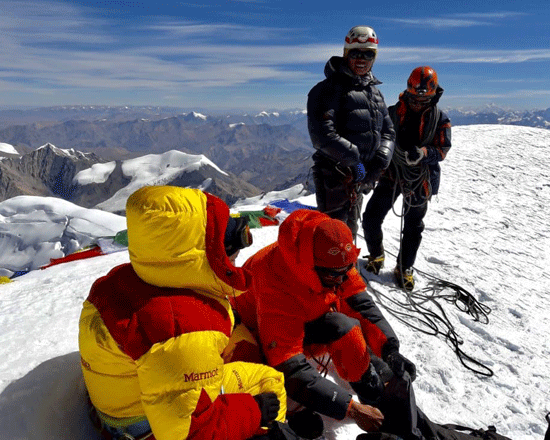
- Dhaulagiri’s Ice Cap: The summit offers a close-up view of Dhaulagiri’s massive ice cap and glaciers, showcasing the mountain’s imposing size and rugged terrain.
- Rugged Terrain: The summit itself is characterized by a rugged, icy environment, emphasizing the mountain’s harsh and dramatic conditions.
3. Sense of Accomplishment
- Achievement: Reaching the summit of Dhaulagiri, at 8,167 meters (26,795 feet), represents a significant accomplishment in high-altitude mountaineering. Also reflecting the climber’s perseverance, skill, and endurance. It is often a deeply personal and fulfilling moment, marking the culmination of extensive preparation and effort.
4. Unique Summit Environment
- High-Altitude Atmosphere: The summit provides an opportunity to experience the atmosphere at extreme altitudes, offering a unique and exhilarating sense of being on top of the world.
- Challenging Conditions: The summit point often has extreme cold temperatures and strong winds, highlighting the challenging conditions that climbers have overcome.
5. Climbing Legacy
- Historical Significance: As one of the world’s 14 eight-thousanders, Dhaulagiri’s Expedition carries historical significance for mountaineers and climbers who have ventured to its heights.
- Climbing Routes: The summit provides insights into the various climbing routes and the challenges associated with them, reflecting the mountain’s complexity and the skill required to reach its peak..
Dhaulagiri Expedition Cost and Itinerary
Regarding the cost of the Dhaulagiri Expedition, it can vary depending on several factors, such as the expedition’s duration, the size of the climbing team, and the level of support and services provided. For larger groups, there are attractive offers available; for example, the Dhaulagiri expedition package starts at USD 22,900 per person for groups of 2 to 4 individuals.
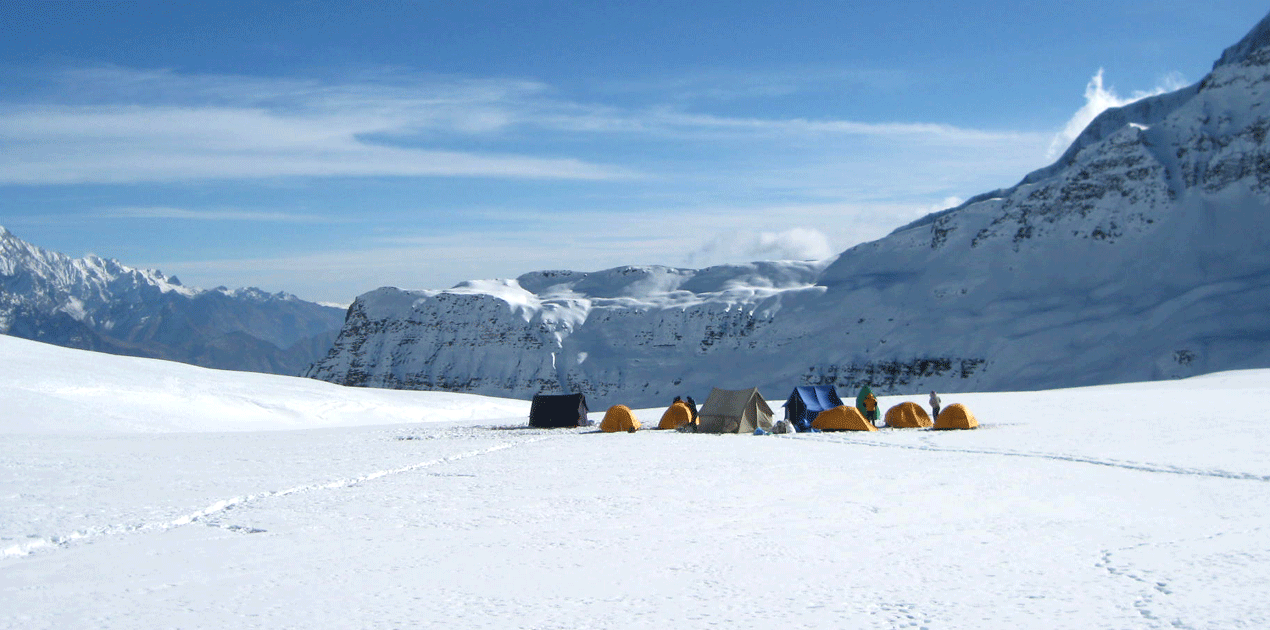
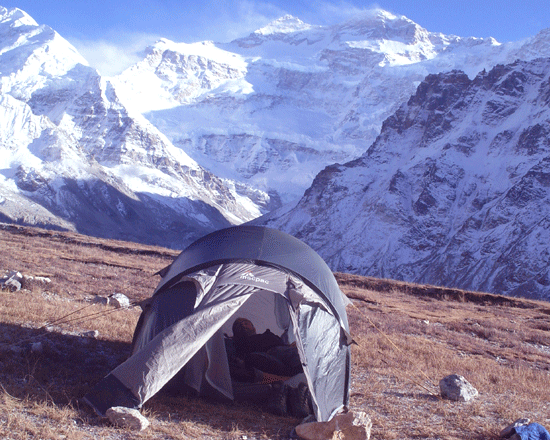
The expedition spans nearly seven weeks and includes a weeklong trek to reach the base camp, which is situated at 4,750 meters. Although there are multiple routes leading to the Dhaulagiri base camp, the path from Beni to Italy Base Camp and then to the Dhaulagiri Base Camp—commonly known as the Dhaulagiri Circuit trek—remains a challenging and technically demanding journey. During the peak season, the number of campers can be seen at the base camp by the trekkers. Furthermore, the standard route for climbing Dhaulagiri involves traversing the North East Ridge, which necessitates establishing three camps above the base camp.
To maximize the chances of a successful Dhaulagiri expedition, it is advisable to undertake the journey during the spring (March to May) or fall (September to November). Specifically, these seasons typically offer stable and clear weather conditions, along with favorable snow and ice conditions for climbing. During the spring, the warmer weather and longer days can be advantageous; however, there is an increased risk of avalanches and rockfall due to melting snow and ice. On the other hand, the fall season provides cooler temperatures and shorter days, but with clearer and drier skies, offering excellent visibility. Additionally, the fall season is less crowded, which can result in a more serene and secluded climbing experience.
Dhaulagiri Expedition Weather Monitoring
It is important to keep in mind that weather conditions in the high mountains can be unpredictable, necessitating preparedness for sudden changes. Stay updated on the weather conditions in the Dhaulagiri region. Monitoring forecasts and consulting with experienced local guides and expedition companies is crucial for determining the best time for a Dhaulagiri expedition. Also, ensuring the implementation of proper safety measures. This helps to make informed decisions regarding the best times to ascend, avoid adverse weather, and ensure your safety during the expedition.
Physical fitness preparation
To undertake the Dhaulagiri Expedition, trekkers need to be physically fit. It is recommended to run for at least an hour a day for 2 or 3 months, depending on your fitness level, before the trek. This helps to build the individual’s hiking stamina. Engage in a comprehensive physical training regimen to enhance your endurance, strength, and cardiovascular fitness. Focus on activities such as hiking, climbing, running, and strength training to prepare your body for the demands of high-altitude mountaineering. This preparation helps in acclimatizing to the high altitudes and ensures you are ready for the demanding terrain of the Expedition, including the challenging ascent of Dhaulagiri.
Develop mental resilience and a positive mindset to overcome the physical and mental challenges of the expedition. Be prepared for unexpected situations, setbacks, and delays. Maintain a realistic outlook and prioritize safety above all else. Watch the documentary of the expedition, which helps to prepare for mentally and physically.
What’s crucial is a willingness to prepare physically and mentally, and to respect the demands of the environment. Proper acclimatization ensures trekkers can fully enjoy the journey, absorbing the breathtaking landscapes and immersing themselves in the local culture. Ensure that you bring the recommended trekking equipment list. Remember, quality trekking equipment can make your trip enjoyable, while poor one can make it miserable.
Acclimatization Days
Understand the importance of acclimatization to prevent altitude sickness. Gradually ascend to higher altitudes, allowing your body time to adjust and adapt to the reduced oxygen levels.
- As you ascend higher into the Dhaulagiri region, the air pressure and oxygen levels decrease, leading to lower oxygen saturation in your blood. This can cause altitude-related illnesses such as Acute Mountain Sickness (AMS), High Altitude Pulmonary Edema (HAPE), and High Altitude Cerebral Edema (HACE).
- Acclimatization allows your body time to adjust to the reduced oxygen levels, helping to minimize the risk of these illnesses.
- Acclimatization days provide trekkers and guides to monitor any symptoms of altitude sickness that may develop, such as headache, nausea, dizziness, and fatigue. Additionally, to prevent such a problem from arising, which can causea severe condition.
- Moreover, acclimatization improves your physical performance at higher altitudes and reduces the rush and stress of gaining altitude quickly.
Incorporate acclimatization periods into your itinerary, including rest days at specific elevations to facilitate the adjustment process.
Essential Dhaulagiri Expedition gear and equipment
When it comes to gear and equipment, it is crucial to ensure that you bring the recommended trekking equipment list. To begin with, quality trekking gear can significantly enhance your trip, making it enjoyable and comfortable. On the other hand, inadequate equipment can lead to a miserable experience. As the weather conditions can vary greatly depending on the altitude and time of year, it is important to prepare accordingly.
For instance, suitable footwear includes waterproof walking boots that have been used before the trek, paired with warm socks and gaiters to handle winter conditions. Moreover, it is advisable to wear loose, casual trousers and thermal leggings, waterproof pants to protect against adverse weather. Ultimately, the right gear will ensure you are well-prepared for any situation, making your trek more enjoyable and less stressful.
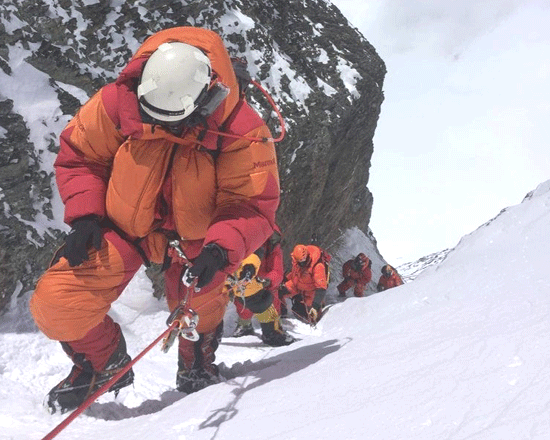
For the expedition, invest in high-quality mountaineering gear and equipment suitable for extreme cold weather conditions. Essential items include mountaineering boots, crampons, ice axes, harnesses, ropes, and helmets. The equipment includes down jackets, waterproof outerwear, gloves, goggles, and a high-altitude sleeping bag. Ensure all equipment is in good condition and properly fitted.
Planning and thorough preparations
Preparations for a Dhaulagiri expedition require careful planning and thorough preparations to ensure a safe and successful climb. Here are some essential steps and considerations:
- Technical Skills: Acquire and hone the necessary mountaineering skills and techniques required for Dhaulagiri. This includes proficiency in using crampons and ice axes, rope management, glacier travel, crevasse rescue, and navigation. Attend mountaineering courses or hire experienced guides to enhance your technical abilities.
- Altitude Medication and First Aid: Consult with a professional experienced in healthcare in high-altitude medicine. This helps to obtain appropriate medications for altitude sickness prevention. Pack a well-stocked first aid kit with essential supplies for treating common mountaineering injuries and illnesses.
- Expedition Team: Assemble a competent and experienced team, including climbing partners, guides, and support staff. Ensure everyone possesses the necessary mountaineering skills, experience, and a compatible mindset for the challenges ahead. Collaborate closely with your team members throughout the expedition.
- Permits and Logistics: Requires permits and permissions from the Nepalese government and local mountaineering associations. Plan the logistics of transportation, accommodation, and supply management, considering factors such as porters, yaks, or helicopters for carrying equipment and supplies.
- Environmental Considerations: Respect the natural environment and follow Leave No Trace principles. Minimize your ecological impact by properly disposing of waste, avoiding damage to vegetation, and respecting local customs and traditions.
Remember, mountaineering expeditions are inherently risky. It is crucial to follow the guidance of experienced guides and be prepared to make decisions based on changing conditions. Proper preparations will significantly increase your chances of a successful and rewarding Dhaulagiri expedition.
Note
For over two decades, Nepal Wilderness Trekking Company has been organizing Dhaulagiri expeditions and treks. As a reputable agency, they exclusively employ experienced and certified climbing guides licensed by the Government of Nepal. These expert climbing guides possess exceptional climbing skills and ensure your safety to the summit of Dhaulagiri. However, it’s important to note that adverse weather conditions and acclimatization issues may require occasional waiting periods at the base camp. While we cannot guarantee the weather, we must adapt to the whims of nature.